Get your free personalized podcast brief
We scan new podcasts and send you the top 5 insights daily.
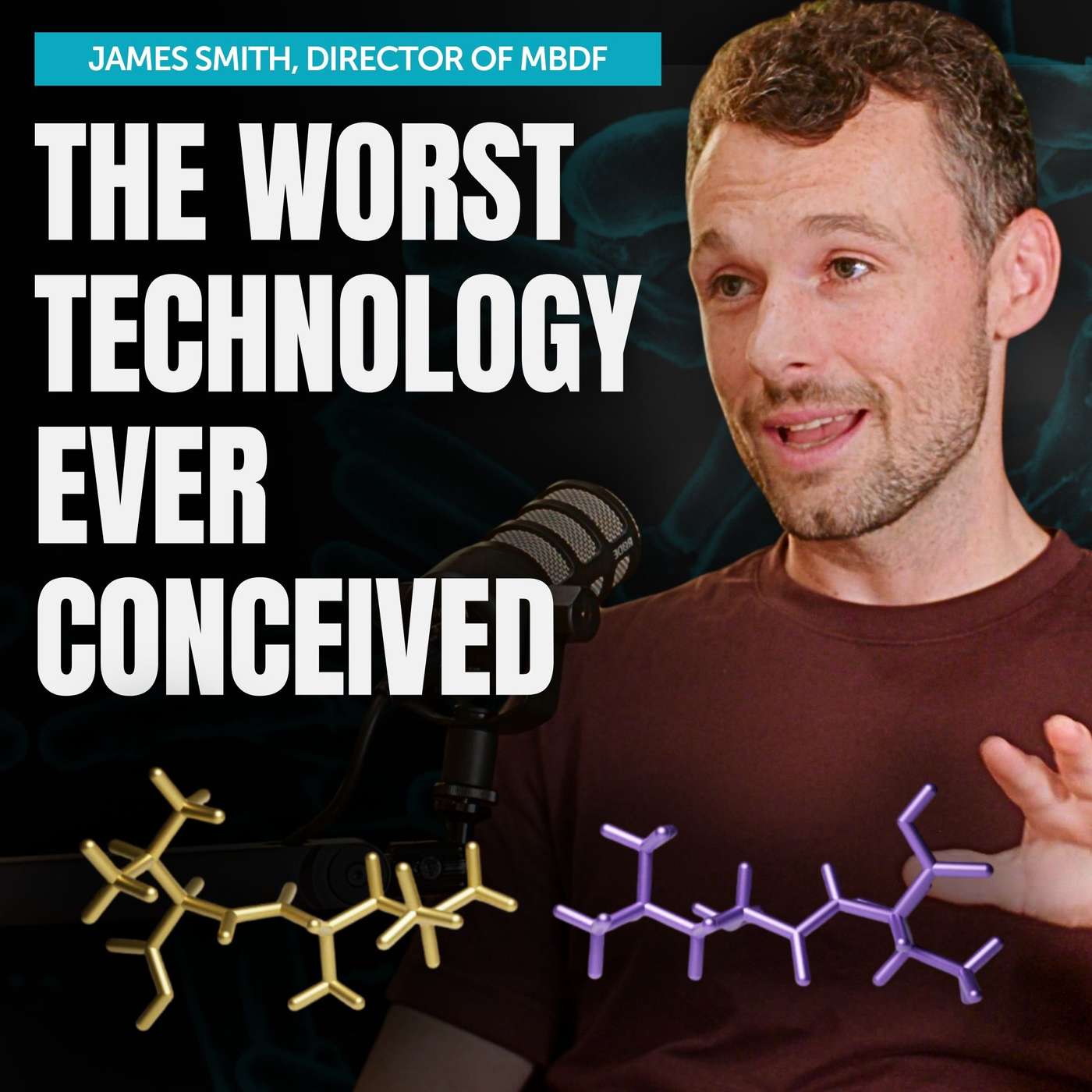
Creating mirror life from scratch is estimated to cost between $500 million and $1 billion. This high barrier to entry places it beyond the reach of small groups, meaning prevention and monitoring efforts can be focused on well-funded state-level programs or large corporations.
Related Insights
The development of advanced surveillance in China required training models to distinguish between real humans and synthetic media. This technological push inadvertently propelled deepfake and face detection advancements globally, which were then repurposed for consumer applications like AI-generated face filters.

A key, informal safety layer against AI doom is the institutional self-preservation of the developers themselves. It's argued that labs like OpenAI or Google would not knowingly release a model they believed posed a genuine threat of overthrowing the government, opting instead to halt deployment and alert authorities.

The 'Andy Warhol Coke' era, where everyone could access the best AI for a low price, is over. As inference costs for more powerful models rise, companies are introducing expensive tiered access. This will create significant inequality in who can use frontier AI, with implications for transparency and regulation.
The excitement around AI often overshadows its practical business implications. Implementing LLMs involves significant compute costs that scale with usage. Product leaders must analyze the ROI of different models to ensure financial viability before committing to a solution.

Building software traditionally required minimal capital. However, advanced AI development introduces high compute costs, with users reporting spending hundreds on a single project. This trend could re-erect financial barriers to entry in software, making it a capital-intensive endeavor similar to hardware.

A ban on superintelligence is self-defeating because enforcement would require a sanctioned, global government body to build the very technology it prohibits in order to "prove it's safe." This paradoxically creates a state-controlled monopoly on the most powerful technology ever conceived, posing a greater risk than a competitive landscape.
The viral $1.4 trillion spending commitment is not OpenAI's sole responsibility. It's an aggregate figure spread over 5-6 years, with an estimated half of the cost borne by partners like Microsoft, Nvidia, and Oracle. This reframes the number from an impossible solo burden to a more manageable, shared infrastructure investment.
Researchers can avoid the immense risk of creating mirror life for study. Instead, they can develop mirror-image countermeasures (like mirror antibodies) and test them against normal bacteria. If effective, the 'normal' version of that countermeasure would work against mirror life, allowing for safe R&D.
OpenAI's publicly stated plan to spend $1.4 trillion on AI infrastructure is likely a strategic "psyop" or psychological operation. By announcing an unbelievably large number, they aim to discourage competitors like xAI, Microsoft, or Apple from even trying to compete, framing the capital required as insurmountable.
Unlike AI or nuclear power, mirror life offers minimal foreseeable benefits but poses catastrophic risks. This lack of a strong commercial or economic driver makes it politically easier to build a global consensus for a moratorium or ban, as there are few powerful interests advocating for its development.