Get your free personalized podcast brief
We scan new podcasts and send you the top 5 insights daily.
Investor Ariel Poler defines his impact not by what he does, but by what wouldn't get done without him. He deliberately seeks nascent or overlooked fields like human augmentation, where his capital and mentorship provide unique, incremental value, rather than joining the crowd in popular sectors like AI.

Related Insights
When evaluating AI startups, don't just consider the current product landscape. Instead, visualize the future state of giants like OpenAI as multi-trillion dollar companies. Their "sphere of influence" will be vast. The best opportunities are "second-order" companies operating in niches these giants are unlikely to touch.

Investors often reject ideas in markets where previous companies failed, a bias they call "scar tissue." This creates an opportunity for founders who can identify a key change—like new AI technology or shifting consumer behavior—that makes a previously impossible idea now viable.

Rather than trying to predict which founders will succeed, veteran investor Ariel Poler optimizes for personal growth and impact. His criteria: work with good people on interesting projects where he can learn and contribute. He accepts that many will fail, viewing the experience and relationships as valuable outcomes.
The most significant companies are often founded long before their sector becomes a "hot" investment theme. For example, OpenAI was founded in 2015, years before AI became a dominant VC trend. Early-stage investors should actively resist popular memes and cycles, as they are typically trailing indicators of innovation.

The focus on AI among institutional investors is so absolute that promising non-AI companies risk "dying of neglect" and being unable to secure follow-on funding. This creates a potential opportunity gap for angel investors to fund valuable businesses in overlooked sectors.

Figma's CEO argues that as capital and talent flock to AI, significant opportunities are being ignored in less-hyped industries. He cites his investments in fintech for farmers and cryogenics as examples of valuable, missionary-led companies thriving outside the crowded AI spotlight.

An investor's career journey from 'cool' industries like film financing to 'boring' ones like construction software reveals a core truth: the fundamental principles of building a business are consistent across all sectors. Passion for innovation and business models, not industry hype, uncovers the best opportunities.

When evaluating revolutionary ideas, traditional Total Addressable Market (TAM) analysis is useless. VCs should instead bet on founders with a "world-bending vision" capable of inducing a new market, not just capturing an existing one. Have the humility to admit you can't predict market size and instead back the visionary founder.
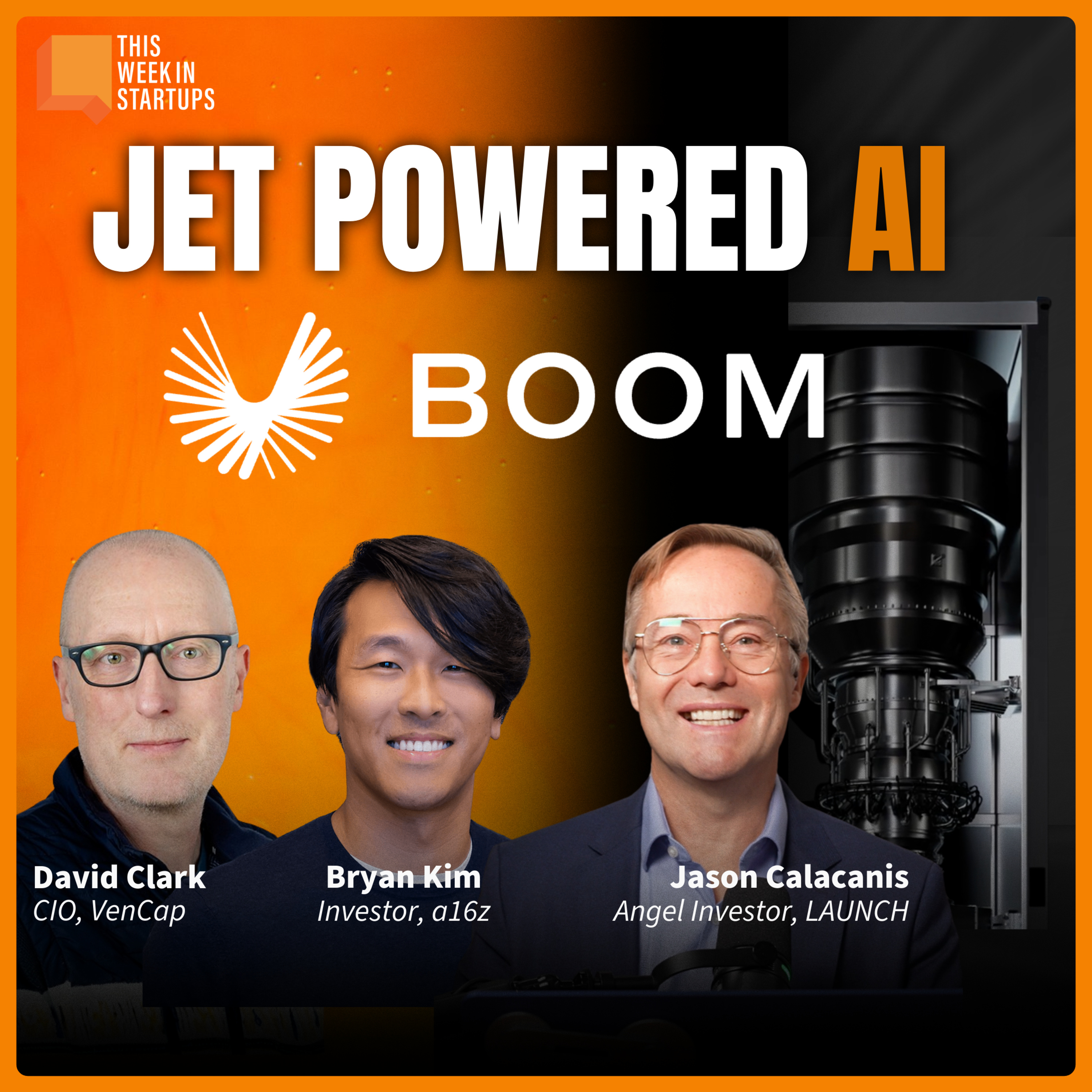
DFJ Growth Partner Barry Shuler details their strategy of avoiding herd investments by focusing on 'life tech'—the intersection of life sciences and technology. This contrarian approach allows them to back brilliant but lesser-known visionaries in emerging fields like population genomics, where they see immense potential.
Investing in startups directly adjacent to OpenAI is risky, as they will inevitably build those features. A smarter strategy is backing "second-order effect" companies applying AI to niche, unsexy industries that are outside the core focus of top AI researchers.