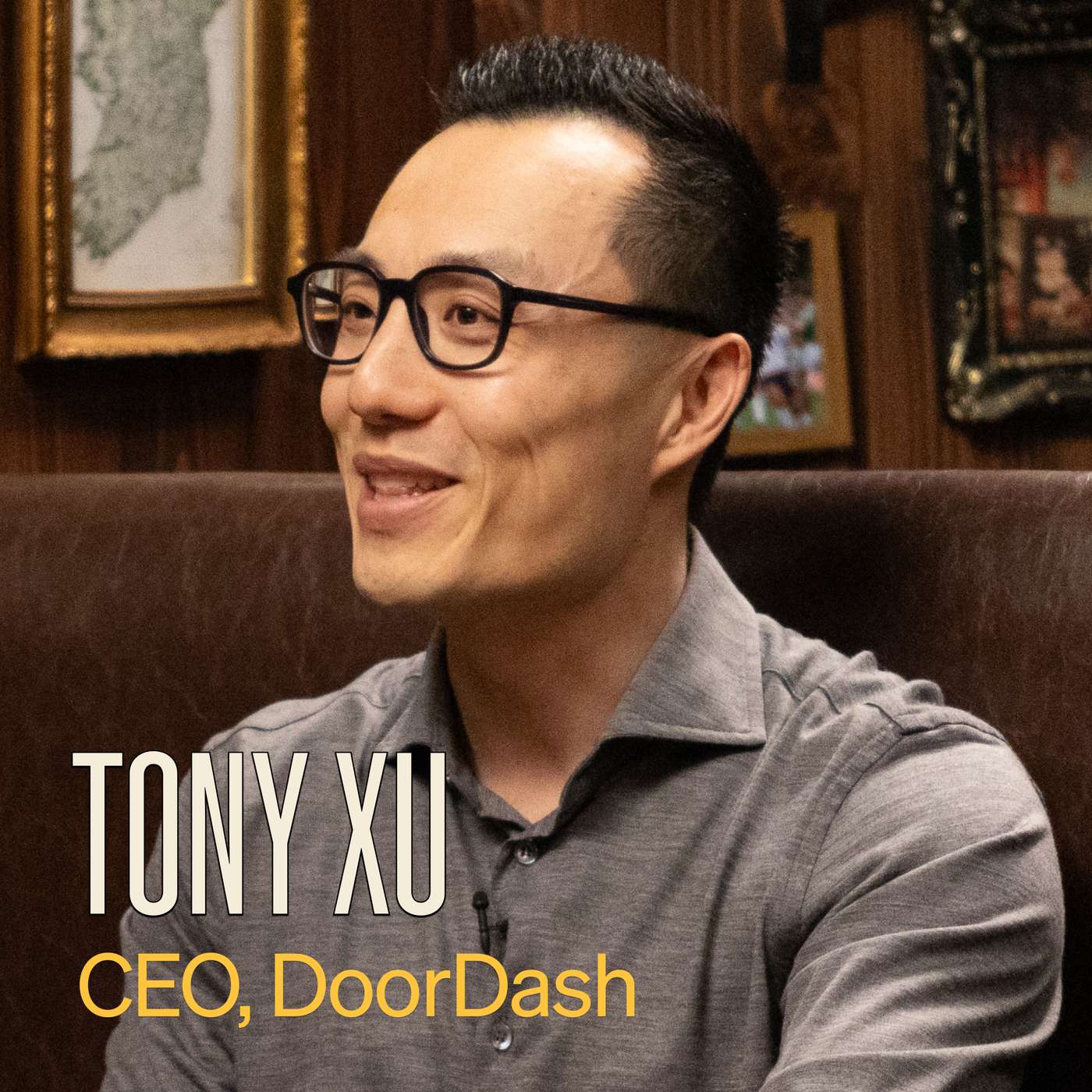
Lacking capital compared to rivals, DoorDash was forced to build a product with superior organic retention. This constraint meant they had to innovate on the core service itself, rather than rely on discounts, creating an "unfair advantage" once they could raise money.
Early on, after a night of late orders, DoorDash refunded all customers, costing over 40% of their bank account when they had less than two weeks of cash. This demonstrates that true customer obsession is defined by costly, tangible actions, not just slogans.
Food delivery is massive in China not just because of low labor costs, but because the local restaurant culture is so affordable that eating out is comparable to the cost of cooking at home. Combined with extreme urban density, this creates a fundamentally different and larger market than in the US.
Rising labor costs are forcing restaurants to abandon the middle ground. They must now choose to either excel at high-touch, in-person service and hospitality or optimize for efficiency as a pure food production and manufacturing facility for takeout and delivery.
A takeaway order leverages a restaurant's fixed costs (rent, most labor) far more efficiently than a dine-in order. While a dine-in dollar might net 10 cents of profit, an incremental delivery dollar can generate 3-5 times that margin because it avoids tying up table space and front-of-house staff.
Ghost kitchens struggle because they lack the built-in customer acquisition of a physical restaurant. For small brands, it's too hard to build awareness. For large brands like Chipotle, the opportunity cost of the real estate is too high; a full restaurant serving both dine-in and takeout is more profitable.
The true defensible moat for large restaurant chains isn't their food, but their mastery of process innovation. Delivering a french fry that tastes the same worldwide is an extraordinarily difficult feat of supply chain, training, and operational execution that is nearly impossible to replicate.
Chick-fil-A's success stems from its ability to retain staff in an industry notorious for churn. This creates a virtuous cycle of consistent service, operational excellence, and a strong culture, which in turn drives its high revenue per square foot and intense customer loyalty.
Creating a "Chipotle for X cuisine" fails because maintaining quality control becomes exponentially harder with each new location. The challenge isn't the initial concept, but preventing inconsistent quality in food and service as you scale, which erodes customer trust and retention.
Before autonomous vehicles can dominate delivery, a more fundamental problem must be solved: creating a structured, real-time catalog of the tens of millions of items available in a city. Without knowing what exists and where, advanced fulfillment technology is useless.
Autonomous delivery vehicles face a unique challenge not present in robotaxis. While a passenger can handle getting in and out of a car, a robot must solve the complex logistical problems of loading goods at the merchant and unloading them at the customer's specific front door.
Simply creating a conversational AI to place orders is insufficient for complex services like food delivery. Success depends on handling the myriad of post-checkout issues (out-of-stock items, driver location, delays). A smooth front-end is useless if the back-end logistics fail, which is where retention is won or lost.