Get your free personalized podcast brief
We scan new podcasts and send you the top 5 insights daily.
The Sainsbury's CEO was caught singing "We're in the money" on a hot mic before an interview about a major merger. This blunder went viral and damaged the deal, proving that spokespeople are effectively "live" from the moment they arrive.

Related Insights
In the old media world, the response to a gaffe was damage control and avoidance. In today's direct, high-volume media environment, the strategy has flipped. Horowitz states the answer to a mistake is not to apologize or retreat but to 'flood the zone' with a continuous stream of new content, quickly moving the conversation forward.
While delivering a virtual training, a speaker was distracted and shouted, "oh, look, a heron." While seemingly unprofessional, this human moment likely became the most memorable part of the presentation. It suggests that authenticity and relatable imperfections can create a stronger, more lasting connection with an audience than a flawless but sterile delivery.

A journalist asked the head of Barclays if he'd personally use his company's credit card. His honest answer—"no, of course not, they're too expensive"—became a damaging global headline, showing the danger of separating personal views from the company line.
Mrs. Meyer's founder Monica Nassif stopped trying to media-train her mother, the brand's namesake. Allowing her to be unfiltered and authentic, while initially mortifying, created a more compelling and relatable brand persona that reporters and customers loved. Sometimes, letting go of control yields better results.

Before a podcast, Ilya Sutskever was caught on a hot mic expressing genuine awe that AI's progress felt like science fiction. Instead of a PR gaffe, this unscripted moment reinforced his public persona as a true believer, demonstrating how authenticity can be more powerful than polished messaging.

Sam Altman's verbal response to a question about OpenAI's finances was reasonable, but his negative body language and audible sigh—perceptible only on video—completely changed the message's reception. This highlights how non-verbal cues in video interviews can undermine a leader's intended message, a critical lesson in the age of multimedia communication.

The media landscape has shifted; print journalists now frequently arrive with cameras to capture video for online articles and social media. Spokespeople must be camera-ready for every media interaction, as any interview can become a video segment.
The Snowflake CRO's viral TikTok interview, where he accidentally disclosed revenue guidance, highlights a new risk landscape. The rise of informal, high-reach content formats means executives can easily make unscripted, material disclosures, creating significant compliance and legal headaches for public companies.

A common journalistic trick is the "Columbo Question," a final, seemingly unrelated query designed to catch you off guard when your defenses are down. It's a tactic to elicit a candid, often damaging, quote on a separate, controversial topic.
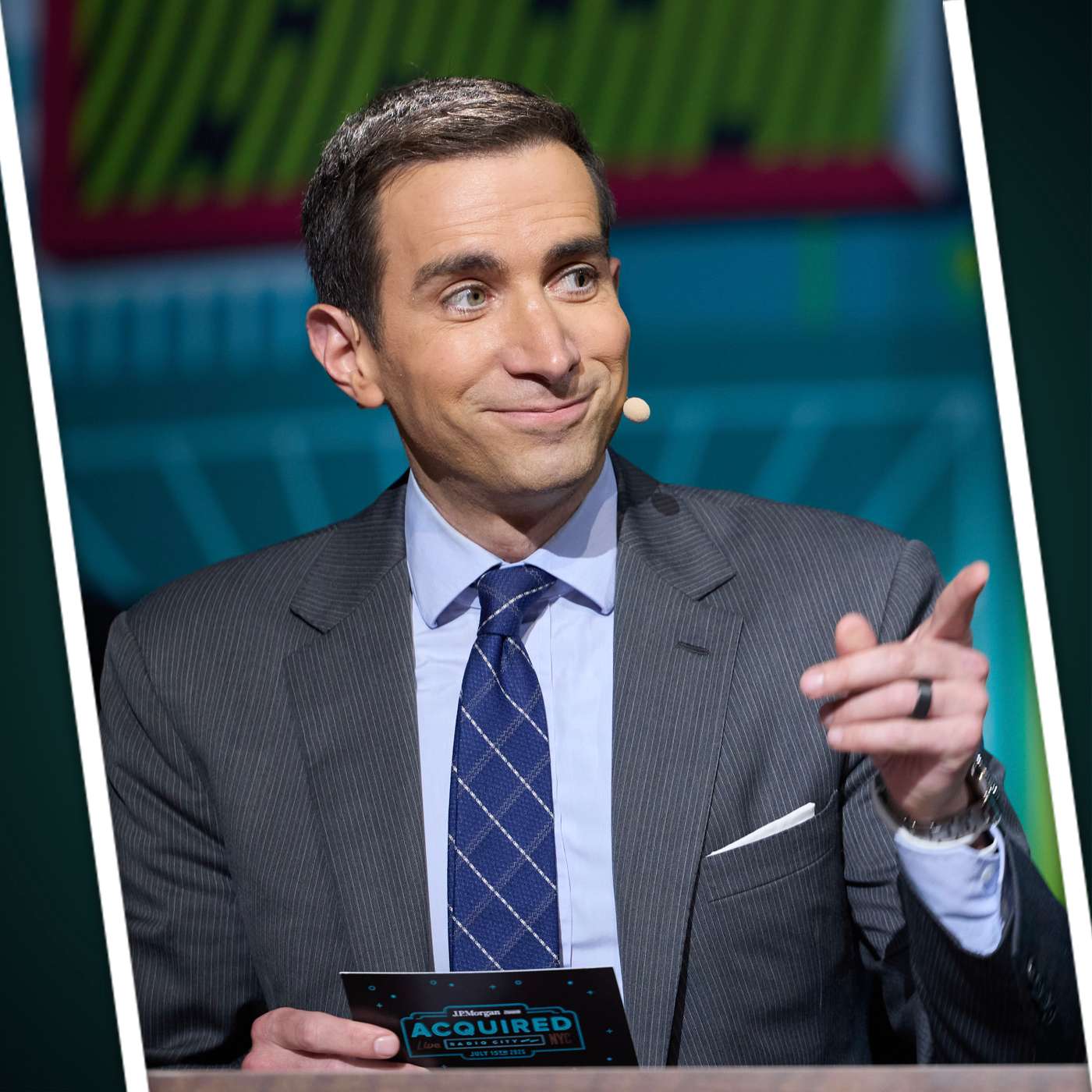
Andrew Ross Sorkin believes the most crucial moment of an interview is the brief, informal interaction just before it officially begins. This is the window to calm a guest's nerves, build rapport, and set a tone that encourages candor, which is more important than the first question asked.