Get your free personalized podcast brief
We scan new podcasts and send you the top 5 insights daily.
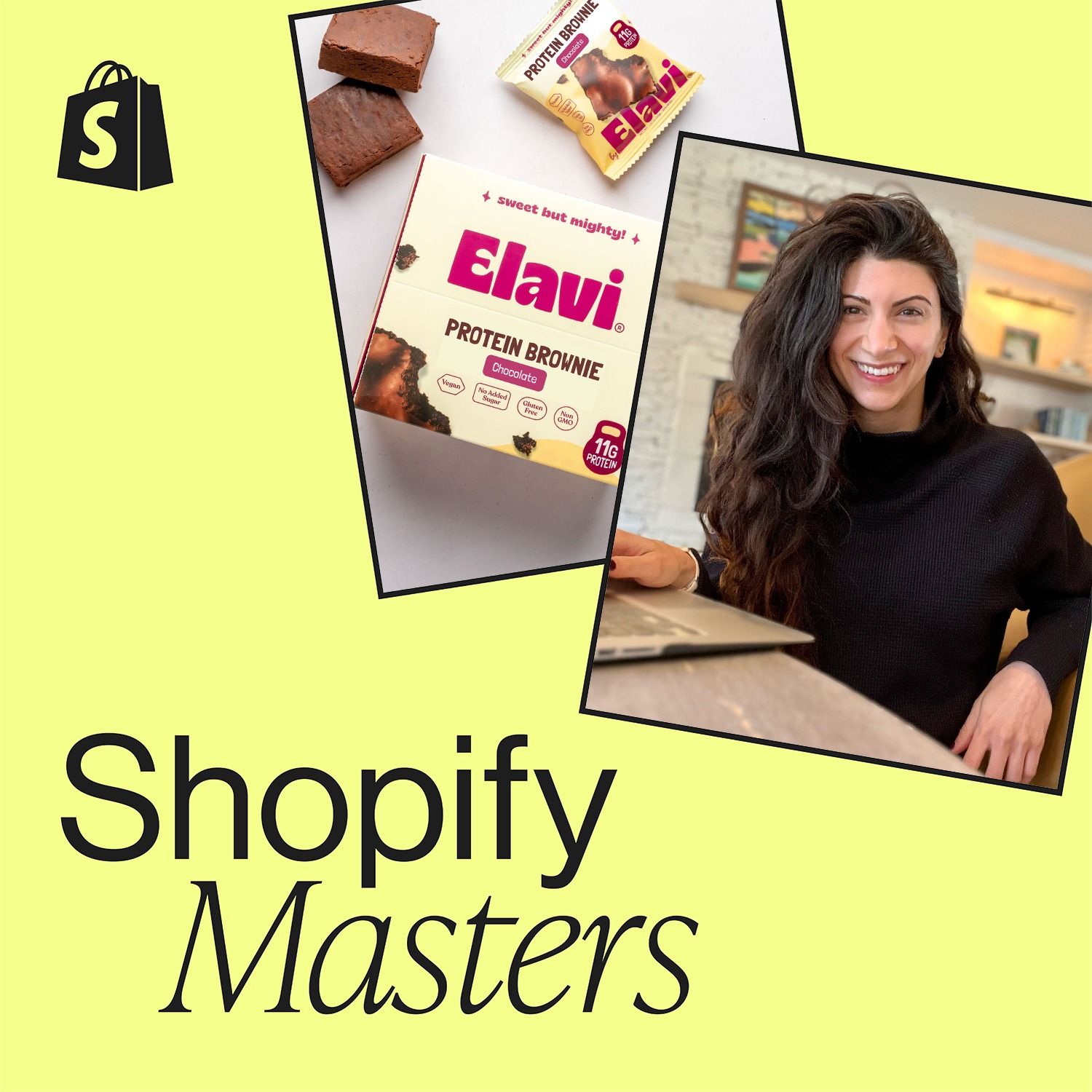
Mrs. Meyer's founder Monica Nassif stopped trying to media-train her mother, the brand's namesake. Allowing her to be unfiltered and authentic, while initially mortifying, created a more compelling and relatable brand persona that reporters and customers loved. Sometimes, letting go of control yields better results.

Related Insights
While delivering a virtual training, a speaker was distracted and shouted, "oh, look, a heron." While seemingly unprofessional, this human moment likely became the most memorable part of the presentation. It suggests that authenticity and relatable imperfections can create a stronger, more lasting connection with an audience than a flawless but sterile delivery.

Contrary to the belief that businesses must appear flawless, sharing behind-the-scenes struggles and unpolished content can build stronger community and loyalty. This raw authenticity resonates more with audiences than a curated image, humanizing the brand and making customers feel like part of the journey.
A manufactured persona feels uncanny and creates a bait-and-switch for employees. Instead, identify a founder's true archetype and strategically amplify the authentic traits most useful for the business, like turning up the volume on a specific aspect of their personality.

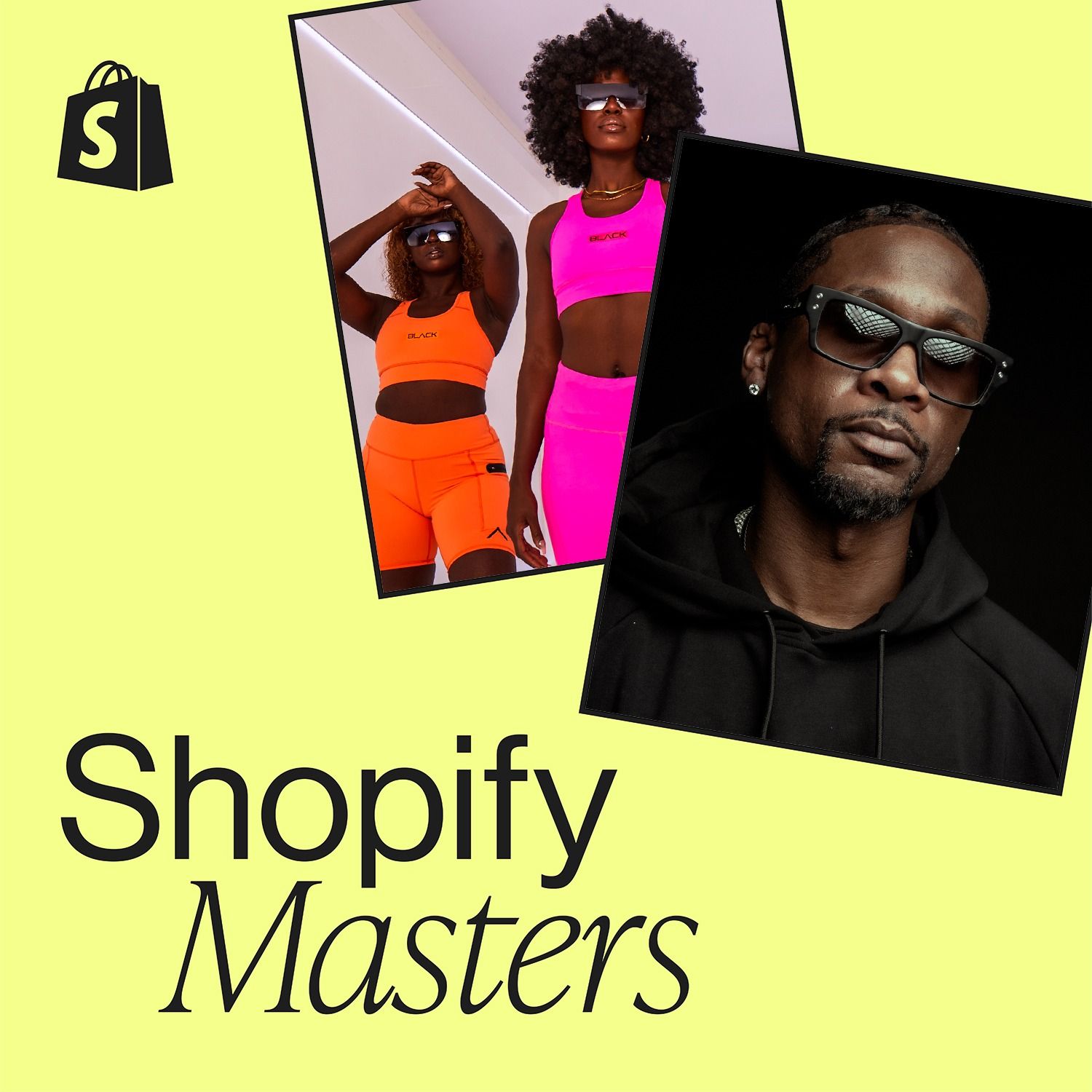
Lanny Smith was initially uncomfortable being the public face of Actively Black. He found, however, that sharing his personal story and motivations created a deeper customer connection than any marketing campaign could, making his authentic narrative the brand's most powerful growth tool.
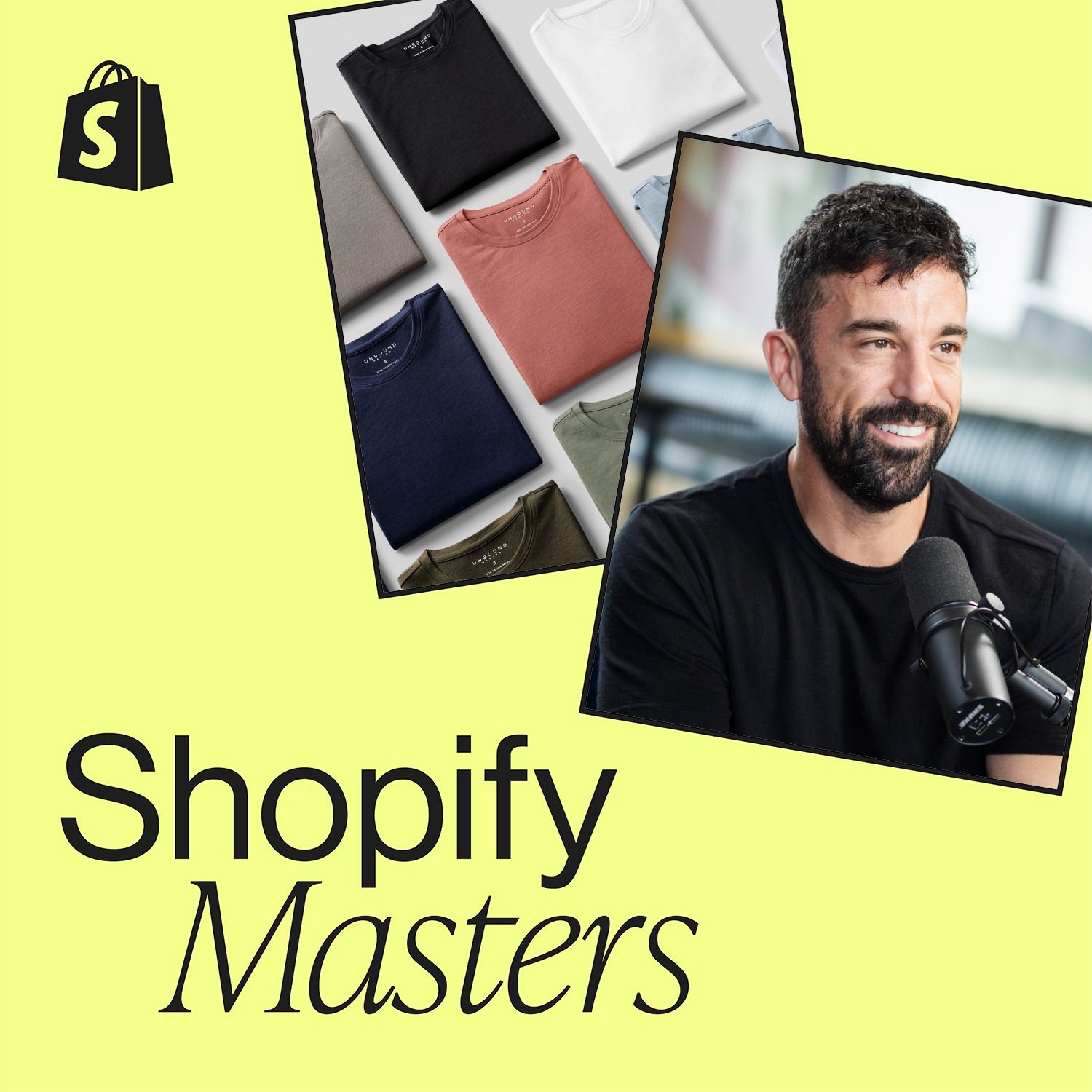
The CEO of Unbound Merino found that his most polished, creative ads often underperformed. Conversely, ads he felt were cheesy or made him uncomfortable—specifically, founder-led videos—were highly effective, showing that authenticity can trump production value.
A brand's own marketing narrative is never as powerful as its customers' authentic stories. The core of advocacy and influencer marketing is facilitating opportunities for satisfied customers to share their positive experiences, as their voice carries more weight and credibility than any corporate message.

To achieve genuine endorsements, brands must trust creators. Instead of providing rigid scripts, give them key message points and the freedom to tell the story in their own voice. This creative liberty results in more authentic advertising that resonates with the creator's audience.

Before a podcast, Ilya Sutskever was caught on a hot mic expressing genuine awe that AI's progress felt like science fiction. Instead of a PR gaffe, this unscripted moment reinforced his public persona as a true believer, demonstrating how authenticity can be more powerful than polished messaging.

Large companies often stifle authentic stories with restrictive social media policies. The guest advises them to "put your brand ego aside" and trust employees to share. Personal profiles and individual stories have far greater reach and build more trust than polished corporate content.
To resonate with today's savvy consumers, a brand's voice cannot be faked. It must be a genuine extension of the founder's core mission and values. If there's an emotional disconnect between the brand's message and its creator's beliefs, customers will sense the inauthenticity and turn away.