Get your free personalized podcast brief
We scan new podcasts and send you the top 5 insights daily.
Before a podcast, Ilya Sutskever was caught on a hot mic expressing genuine awe that AI's progress felt like science fiction. Instead of a PR gaffe, this unscripted moment reinforced his public persona as a true believer, demonstrating how authenticity can be more powerful than polished messaging.

Related Insights
In a world of AI-generated content, true expertise is proven by the ability to answer spontaneous, unscripted questions on a topic for an extended period. This demonstrates a level of domain mastery and authenticity that AI cannot replicate, building genuine trust with an audience.

In the age of AI, the new standard for value is the "GPT Test." If a person's public statements, writing, or ideas could have been generated by a large language model, they will fail to stand out. This places an immense premium on true originality, deep insight, and an authentic voice—the very things AI struggles to replicate.

A manufactured persona feels uncanny and creates a bait-and-switch for employees. Instead, identify a founder's true archetype and strategically amplify the authentic traits most useful for the business, like turning up the volume on a specific aspect of their personality.

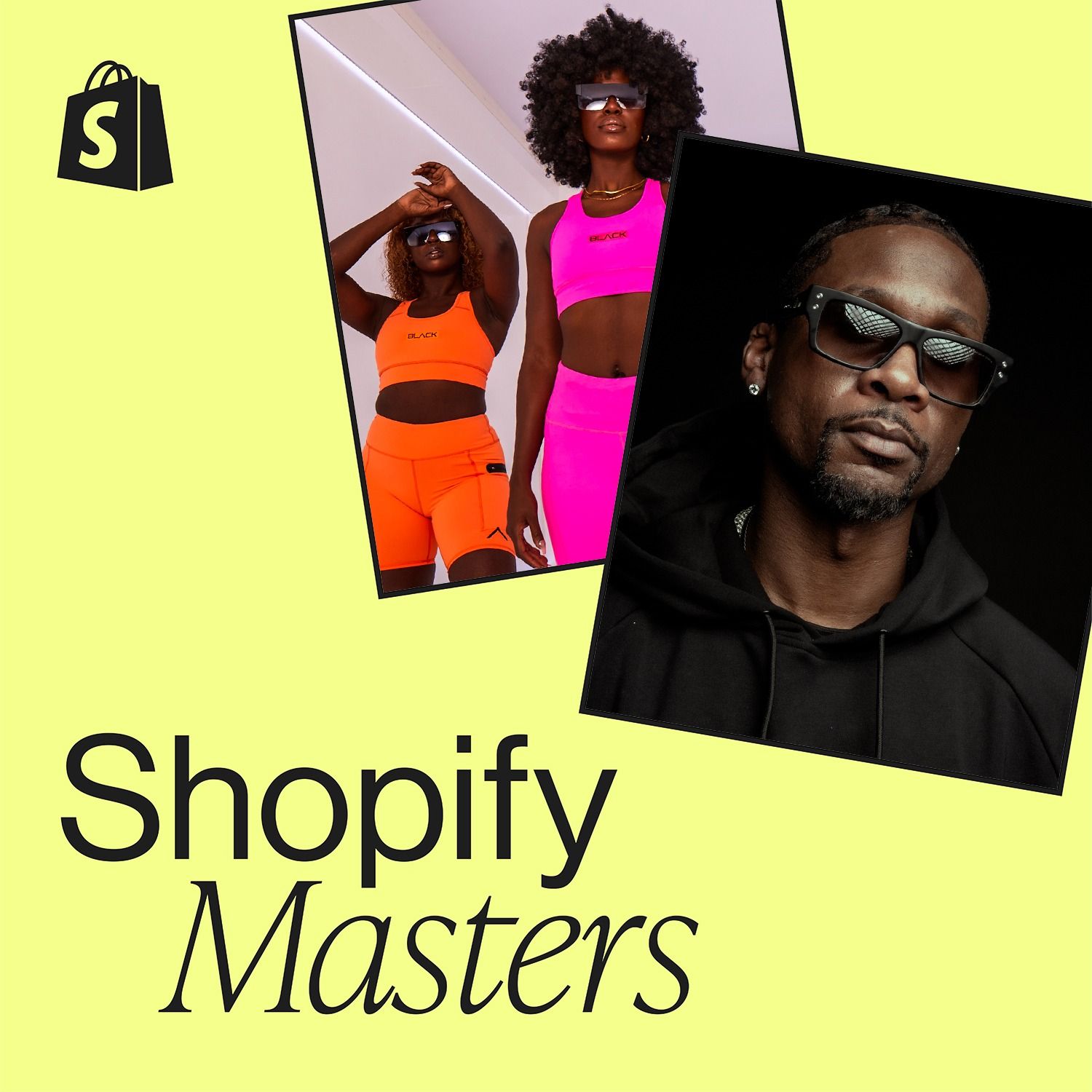
Lanny Smith was initially uncomfortable being the public face of Actively Black. He found, however, that sharing his personal story and motivations created a deeper customer connection than any marketing campaign could, making his authentic narrative the brand's most powerful growth tool.
Mark Zuckerberg's evolution from a highly media-trained, scripted persona to an authentic public figure shows that the old playbook of message control is dead. The market now rewards leaders who are transparent and genuine ("this is me, deal with it"), even if they are less polished. Synthetically generated authenticity is easily spotted and rejected.
As AI generates endless look-alike content, a brand's ability to create genuine, human-to-human connection is a unique and defensible advantage. This 'vibe' cannot be automated or easily replicated, making it a crucial competitive differentiator in a crowded market.
In high-visibility roles, striving for perfect communication is counterproductive. Mistakes are inevitable. The key to credibility is not avoiding errors, but handling them with authenticity. This display of humanity makes a communicator more relatable and trustworthy than a polished but sterile delivery.

A successful startup often resembles a cult, requiring a leader who communicates their vision with unwavering, first-person conviction. Hiding the founder behind polished PR spokespeople is a mistake; it neuters the contagious belief required to recruit talent and build a movement against impossible odds.

Ilya Sutskever's candid, unscripted awe at AI's reality ('it's all real') was more powerful than any prepared statement. It confirmed he's a true believer, not a cynical opportunist, which is a crucial trust signal for leaders in high-stakes industries like AI.

The rise of LLMs creates a new bar for leadership communication: the "GPT test." If a public figure's statements or writings are indistinguishable from what ChatGPT could generate, they will fail to build an authentic brand. This forces a shift towards genuine originality and unpolished thought.