Get your free personalized podcast brief
We scan new podcasts and send you the top 5 insights daily.
In the old media world, the response to a gaffe was damage control and avoidance. In today's direct, high-volume media environment, the strategy has flipped. Horowitz states the answer to a mistake is not to apologize or retreat but to 'flood the zone' with a continuous stream of new content, quickly moving the conversation forward.

Related Insights
Making public mistakes feels like a reason to disappear, but it's an opportunity to model resilience. The goal isn't to avoid messing up, but to learn how to handle being wrong, listen without defensiveness, and let your actions rebuild trust.

The common instinct in a brand crisis is to repeatedly apologize. However, after acknowledging the mistake and the fix, the best path is to stop talking about it. Loyal customers want the brand to return to being trustworthy, and over-apologizing keeps the focus on the failure.

Businesses limit content output fearing audience fatigue, but the real issue is often low-quality content or production bottlenecks. An audience's appetite for high-value content is nearly insatiable; focus on improving quality and output, not reducing frequency.

Public figures who apologize for transgressions are often perceived as 'wounded prey,' triggering more attacks rather than redemption. This dynamic makes admitting fault a confession of weakness, incentivizing politicians to instead ignore or deny wrongdoing to maintain power, as seen with Al Franken's resignation.
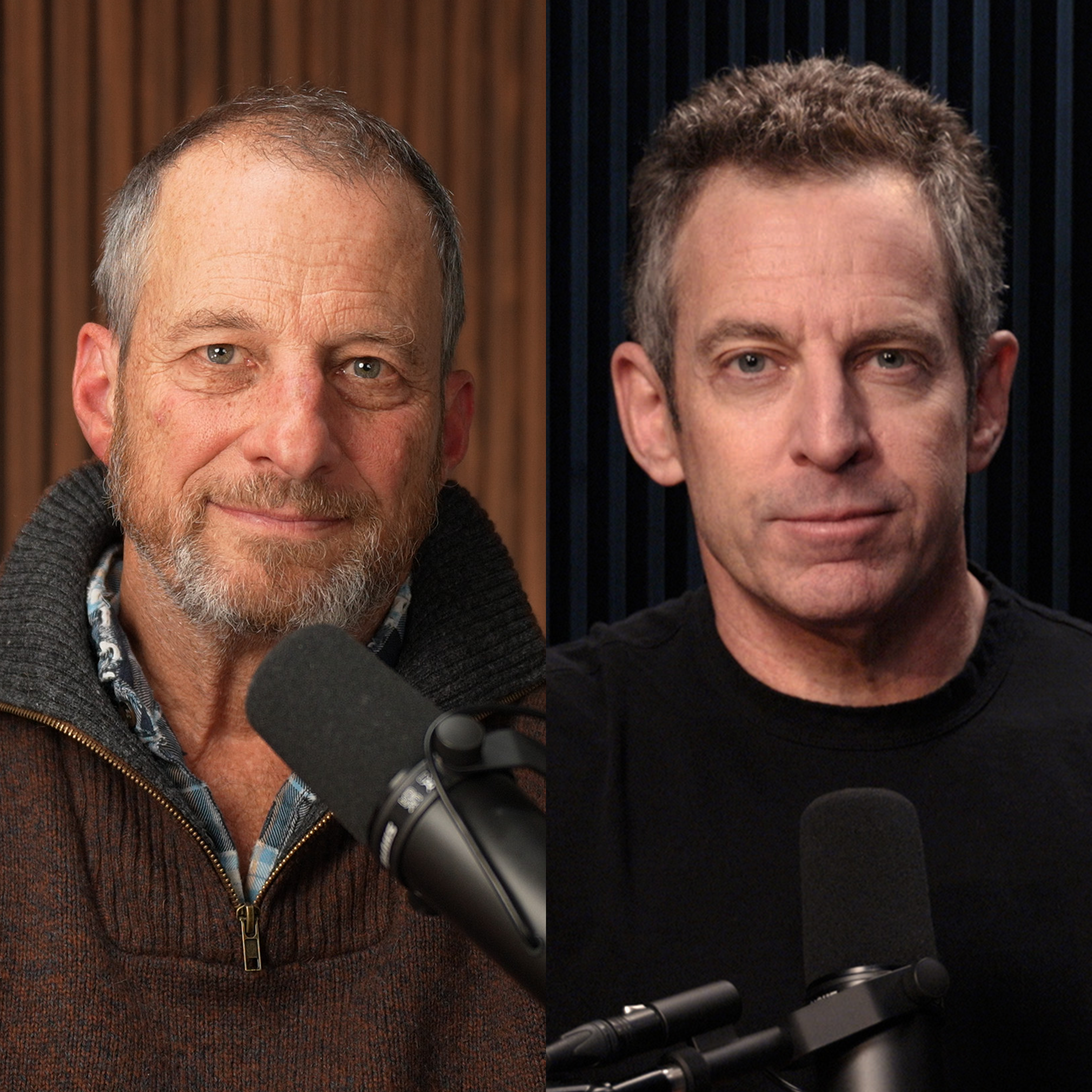
Instead of hiding during controversy, Sam Altman's strategy of continuous podcast appearances creates a constant stream of new content. This "post through the pain" approach ensures that any negative clips are quickly buried by the next news cycle, demonstrating a modern, aggressive communications tactic.

The CMO behind a controversial Sydney Sweeney campaign treated the public backlash not as a crisis, but an opportunity. Instead of apologizing or changing course, he stopped reading social media, referred back to his core strategy and data, and ultimately chose to double down on the partnership.
When Duolingo's Zaria Parvez made a controversial post, her CMO framed the misstep as a necessary learning experience. This cultural attitude towards risk-taking encourages the creative experimentation required for breakthrough social media, turning a potential firing into a valuable lesson on brand boundaries.
Corporate fear of social media backlash is largely unfounded. Negative attention cycles are short, and brands can neutralize issues by quickly acknowledging them and moving on. The risk of inaction is therefore greater than the risk of making a mistake.

Instead of immediately issuing a statement during the backlash, American Eagle waited nine days. This delay created a vacuum that was filled by other people and media outlets questioning the absurdity of the claims, shifting public sentiment in the brand's favor before they even responded.
Borrowing from filmmaking, view communication slip-ups not as failures but as different "takes." This reframes errors as opportunities to try a different approach next time, reducing fear and encouraging experimentation and growth.