Get your free personalized podcast brief
We scan new podcasts and send you the top 5 insights daily.
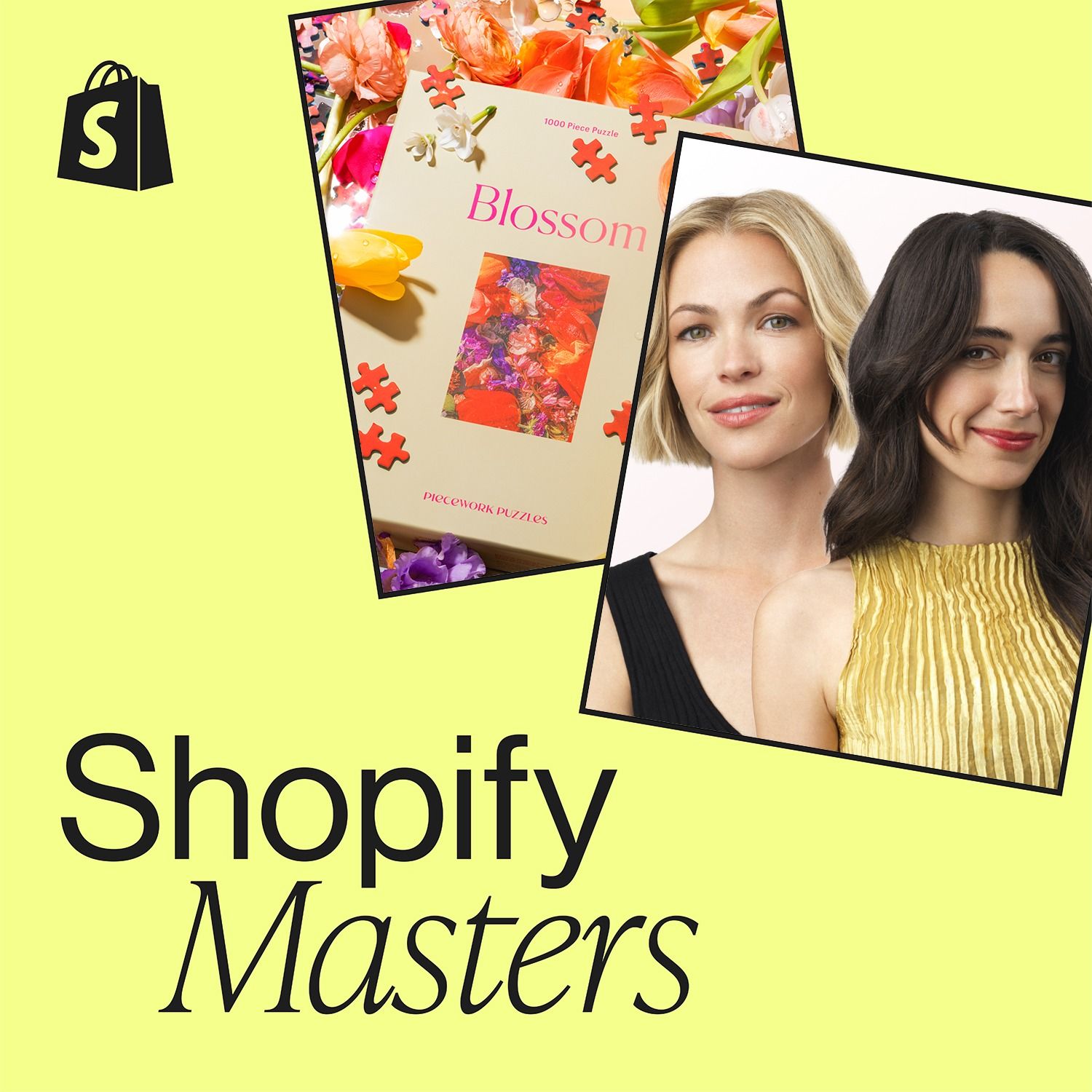
While competitors followed the prevailing minimalist, 'beige-on-beige' aesthetic, Peacework Puzzles deliberately chose a maximalist and colorful brand identity. This contrarian approach made them stand out, resonated authentically with a specific audience, and helped build a loyal following.
Related Insights
While product differentiation is beneficial, it's not always possible. A brand's most critical job is to be distinctive and instantly recognizable. This mental availability, achieved through consistent creative, logo, and tone, is more crucial for cutting through market noise than having a marginally different feature set.

To achieve a creative breakthrough, intentionally explore concepts that are radically different from your established style. Designer MDS created versions that looked nothing like his brand to push boundaries and avoid predictable outcomes before refining his final vision.

Peacework noticed customers asking to buy the unique props featured in their maximalist puzzle photography. They leveraged this direct feedback to launch a curated collection of giftable items seen in their 'puzzle worlds,' creating a natural and successful product line extension.
In a market dominated by corporations, Taza found a defensible niche by making a "polarizing" stone-ground chocolate. This strategy of appealing intensely to a core group, rather than pleasing the mass market, was key to their survival and success as a small business.

In a crowded digital space, products and marketing with a unique, even polarizing, visual style are more likely to capture attention and be memorable than those following standard design trends. Daring to be different visually can be a powerful competitive advantage.

Expanding from puzzles to napkins seems illogical, but Peacework did it to support a marketing campaign for a tomato-themed puzzle. The napkins sold surprisingly well, becoming a major new business arm. This shows that ignoring conventional product expansion advice can uncover unexpected opportunities.
A brand that tries to please everyone is memorable to no one. To build a truly strong brand, you must be willing to be disliked by some. Intentionally defining who your customer is *not* and creating polarizing content sharpens your identity, fostering a passionate community among those who love what you stand for.

Instead of competing with Nike on performance, Outdoor Voices intentionally created an aesthetic that was the complete opposite: simple, muted, and focused on recreation. The goal was a four-piece "uniform for doing things" that contrasted with Nike's shiny, black-and-neon intensity.

To break through a commoditized market where all banks looked the same, Nubank asked, "what is the most anti-bank color we can come up with?" The choice of purple was designed to evoke passionate responses and signal a complete departure from the traditional banking industry.

Peacework Puzzles intentionally designed its boxes to look like art books or luxury candles, not traditional game boxes. This strategy encourages customers to display the puzzles as home decor, leading to organic social media sharing as people style them on shelves and coffee tables.