Get your free personalized podcast brief
We scan new podcasts and send you the top 5 insights daily.
The company's customer-centric innovation starts with deeply understanding a client's operational issues and end-consumer needs. They then reframe these commercial challenges as specific biological problems that their R&D can measure, target, and solve.

Related Insights
Rather than selling single products, Novonesis designs custom blends or "cocktails" of different enzymes and microbes. This tailor-made approach solves specific customer problems so effectively that it makes the solution highly unique and difficult for competitors to replicate.

While customer feedback is vital for identifying problems (e.g., 40% of 911 calls are non-urgent), customers rarely envision the best solution (e.g., an AI voice agent). A founder's role is to absorb the problem, then push for the technologically superior solution, even if it initially faces resistance.

Successful MedTech innovation starts by identifying a pressing, real-world clinical problem and then developing a solution. This 'problem-first' approach is more effective than creating a technology and searching for an application, a common pitfall for founders with academic backgrounds.

Don't let the novelty of GenAI distract you from product management fundamentals. Before exploring any solution, start with the core questions: What is the customer's problem, and is solving it a viable business opportunity? The technology is a means to an end, not the end itself.

The corporate incubation program prioritizes innovating directly with clients from the beginning. This philosophy ensures that an innovation solves a problem clients actually value and is conducive to their operating environment, de-risking the development and guaranteeing market relevance for the final product.

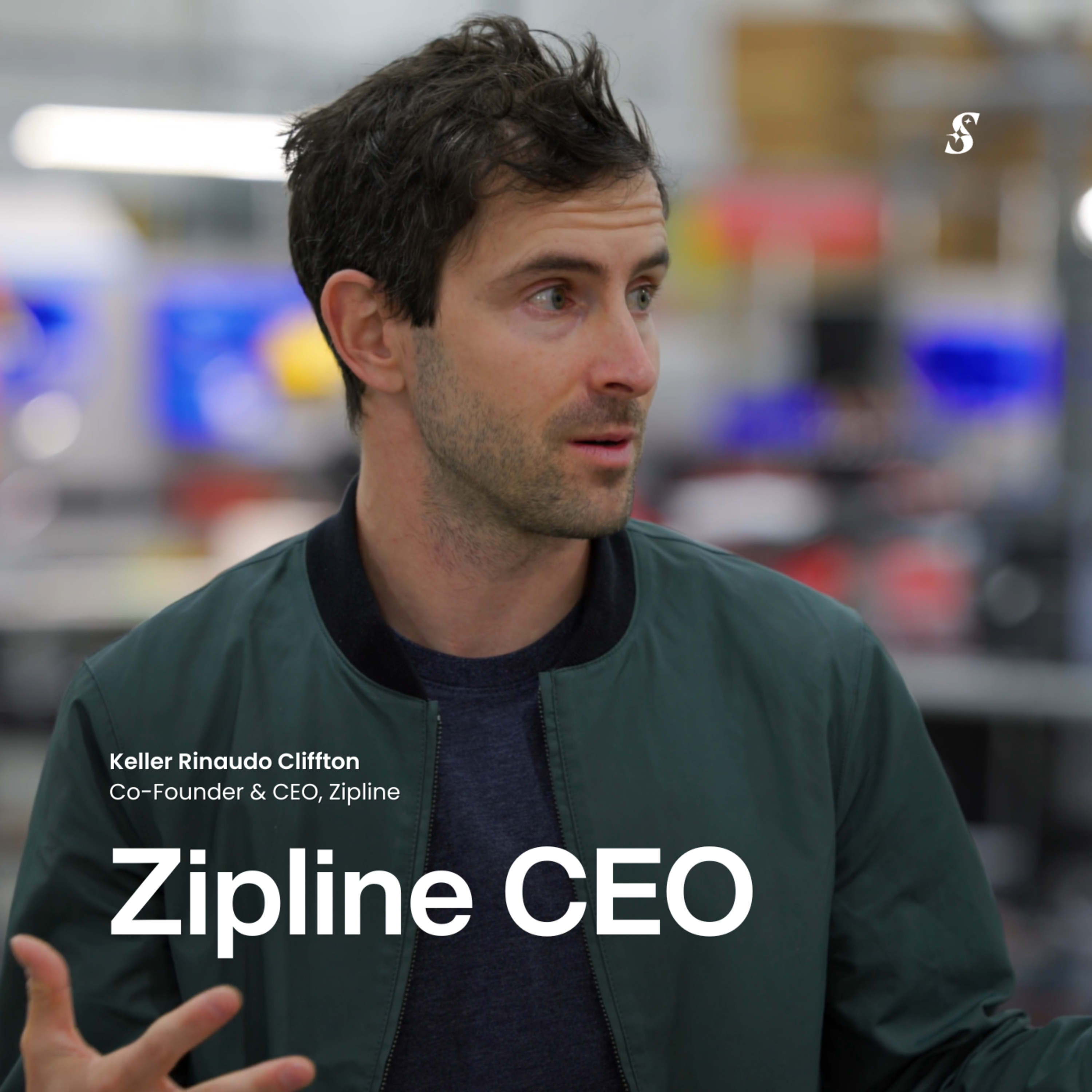
For years, global health experts told Zipline their idea was stupid and would fail. The breakthrough came from listening to a customer—Rwanda's Minister of Health—who gave them a single, critical problem to solve: "Just do blood." This narrow focus was the key to proving their value against broad expert dismissal.
To build a 'fearless innovation' culture, Snap-on's innovation director spends the vast majority of his time on-site with customers, not in corporate headquarters. This radical commitment to direct observation and ethnographic research ensures the entire innovation pipeline is grounded in real-world user problems.

The company's CSO emphasizes that deep customer knowledge allows them to innovate beyond client requests. Instead of just incremental improvements ('a faster horse'), they aim to develop transformative solutions that customers might not even know are possible ('a car').
A common marketing mistake is being product-centric. Instead of selling a pre-packaged product, first identify the customer's primary business challenge. Then, frame and adapt your offering as the specific solution to that problem, ensuring immediate relevance and value.

To create transformational enterprise solutions, focus on the core problems of the key buyers, not just the feature requests of technical users. For healthcare payers, this meant solving strategic issues like care management and risk management, which led to stickier, higher-value products than simply delivering another tool.
