Get your free personalized podcast brief
We scan new podcasts and send you the top 5 insights daily.
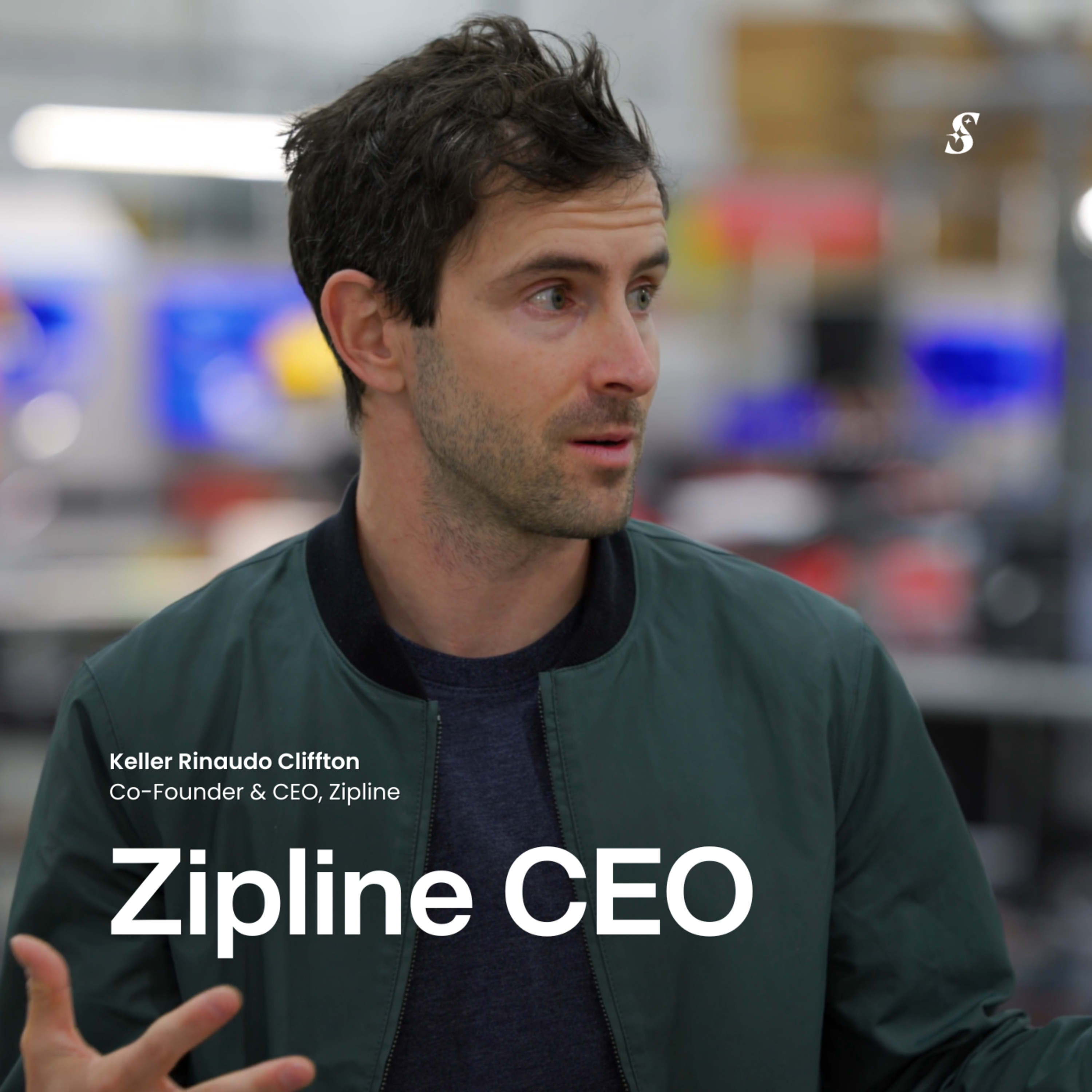
For years, global health experts told Zipline their idea was stupid and would fail. The breakthrough came from listening to a customer—Rwanda's Minister of Health—who gave them a single, critical problem to solve: "Just do blood." This narrow focus was the key to proving their value against broad expert dismissal.
Related Insights
The 'Thousand People Framework' prioritizes customer clarity over product development. It forces founders to define a hyper-specific ICP of 1,000 people, identify a problem they'd pay annually to solve, and map out how to reach them. This extreme focus on a small, defined market is presented as the true driver of a startup's success.

Zipline initially planned to deliver all medical products. Rwanda's Minister of Health demanded they "just do blood," a product with acute logistical challenges. This customer-enforced focus on a single, high-stakes problem was critical to their initial market validation and success.

Go beyond simply describing customer pain points. Give their core problem a unique, memorable name (e.g., "the invisible sales team"). This act of naming establishes you as an expert, builds instant credibility, and gives the prospect a new lens through which to view their challenge.

While customer feedback is vital for identifying problems (e.g., 40% of 911 calls are non-urgent), customers rarely envision the best solution (e.g., an AI voice agent). A founder's role is to absorb the problem, then push for the technologically superior solution, even if it initially faces resistance.

While VC pitches require an expansive vision, customer pitches are more effective when they're small and specific. After understanding their demand, describe your product narrowly as the exact tool that solves their immediate project. This precision builds confidence and creates pull.

Overwhelmed by an "ocean of good ideas" from brilliant scientists, non-technical founder Cyriac Roeding couldn't distinguish a good idea from a truly outstanding one. His breakthrough came from a simple, direct question to his mentor, Dr. Sam Gambhir: "Which one has the highest potential of all of them?"

Visionary founders often try to sell their entire, world-changing vision from day one, which confuses buyers. To gain traction, this grand vision must be broken down into a specific, digestible solution that solves an immediate, painful problem. Repeatable sales come from a narrow focus, not a broad promise.

First-time founders often over-intellectualize strategy. Decagon's founder learned from his first startup that a better approach is to talk directly to customers to discover their real problems, rather than creating a grand plan in a vacuum that fails upon market contact.

During validation calls for Merge, prospective customers expressed extreme annoyance with the status quo but were skeptical the founders could technically solve it. This combination was the ultimate signal: the pain was immense, and a successful solution would be highly defensible and valuable.

A common marketing mistake is being product-centric. Instead of selling a pre-packaged product, first identify the customer's primary business challenge. Then, frame and adapt your offering as the specific solution to that problem, ensuring immediate relevance and value.
