Get your free personalized podcast brief
We scan new podcasts and send you the top 5 insights daily.
The corporate incubation program prioritizes innovating directly with clients from the beginning. This philosophy ensures that an innovation solves a problem clients actually value and is conducive to their operating environment, de-risking the development and guaranteeing market relevance for the final product.

Related Insights
Instead of treating consulting and product as separate, CNX uses feedback from services projects to inform new features. A requested customization is often built directly into the core Valence product, benefiting all customers and creating a tight feedback loop.

The biggest hurdle for enterprise AI adoption is uncertainty. A dedicated "lab" environment allows brands to experiment safely with partners like Microsoft. This lets them pressure-test AI applications, fine-tune models on their data, and build confidence before deploying at scale, addressing fears of losing control over data and brand voice.
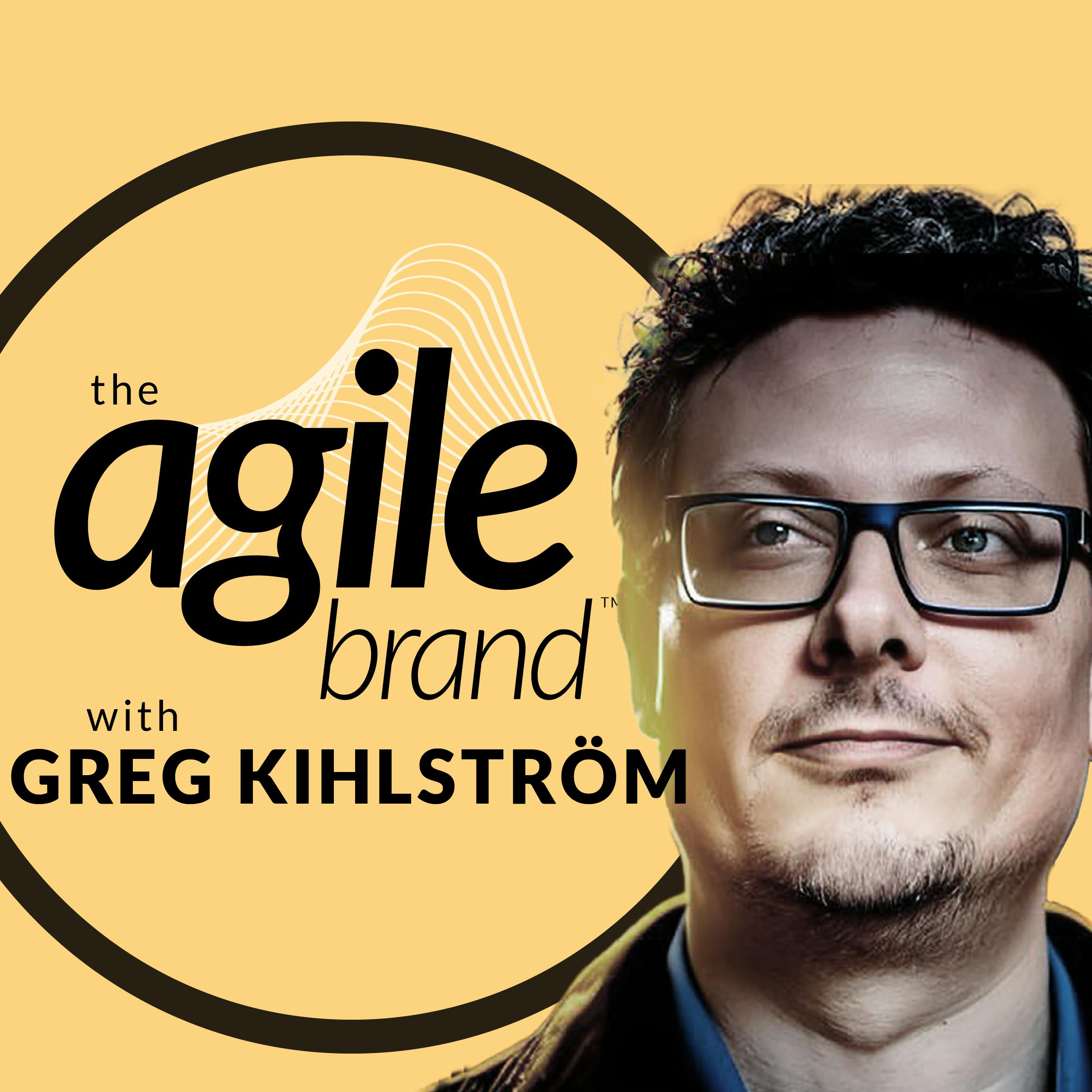
Unlike typical software companies that build addictive products or simply fulfill requests, Palantir's approach is to anticipate and build what its partners *ought* to want in the future. This radical, value-driven strategy builds deep trust and creates an indispensable long-term position with the client.
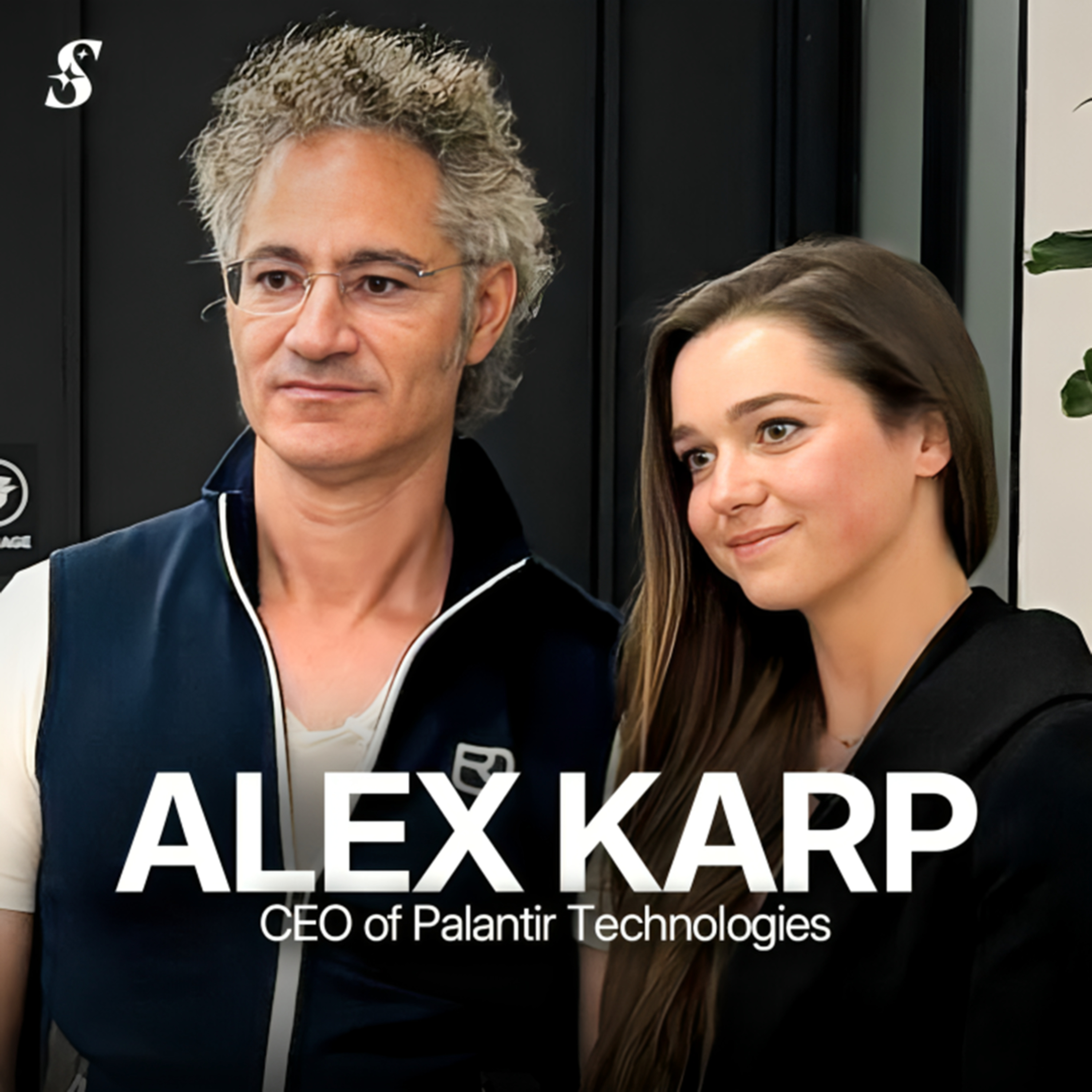
The partnership where OpenAI becomes an equity holder in Thrive Holdings suggests a new go-to-market model. Instead of tech firms pushing general AI 'outside-in,' this 'inside-out' approach embeds AI development within established industry operators to build, test, and improve domain-specific models with real-world feedback loops.

Within a large corporation, an intrapreneur's success hinges on validating their idea with potential clients. Since internal investment is a zero-sum game, demonstrating market knowledge and a clear path to customer validation is crucial for convincing leadership to fund your project over competing priorities.
Don't let the novelty of GenAI distract you from product management fundamentals. Before exploring any solution, start with the core questions: What is the customer's problem, and is solving it a viable business opportunity? The technology is a means to an end, not the end itself.

Don't expect the parent company's sales force to sell your nascent product. Their focus on core business means they will ignore emerging tech. An internal incubator must have its own dedicated go-to-market team to find new personas and develop sales plays before a handoff.

To launch new products and compete with agile startups, embed a small "incubation seller" team directly within the technology organization. This model ensures tight alignment between product, engineering, and the first revenue-generating efforts, mirroring the cross-functional approach of an early-stage company.

An internal incubator’s biggest mistake is acting like an external startup. Finding product-market fit is insufficient. Lasting success requires achieving "product-company fit" by deeply understanding and aligning with the parent company's internal business units, strategic goals, and unique challenges.
To truly understand a B2B customer's pain, interviews are not enough. The best founders immerse themselves completely by 'going native'—taking a temporary job at a target company to experience their problems firsthand. This uncovers authentic needs that surface-level research misses.