Get your free personalized podcast brief
We scan new podcasts and send you the top 5 insights daily.
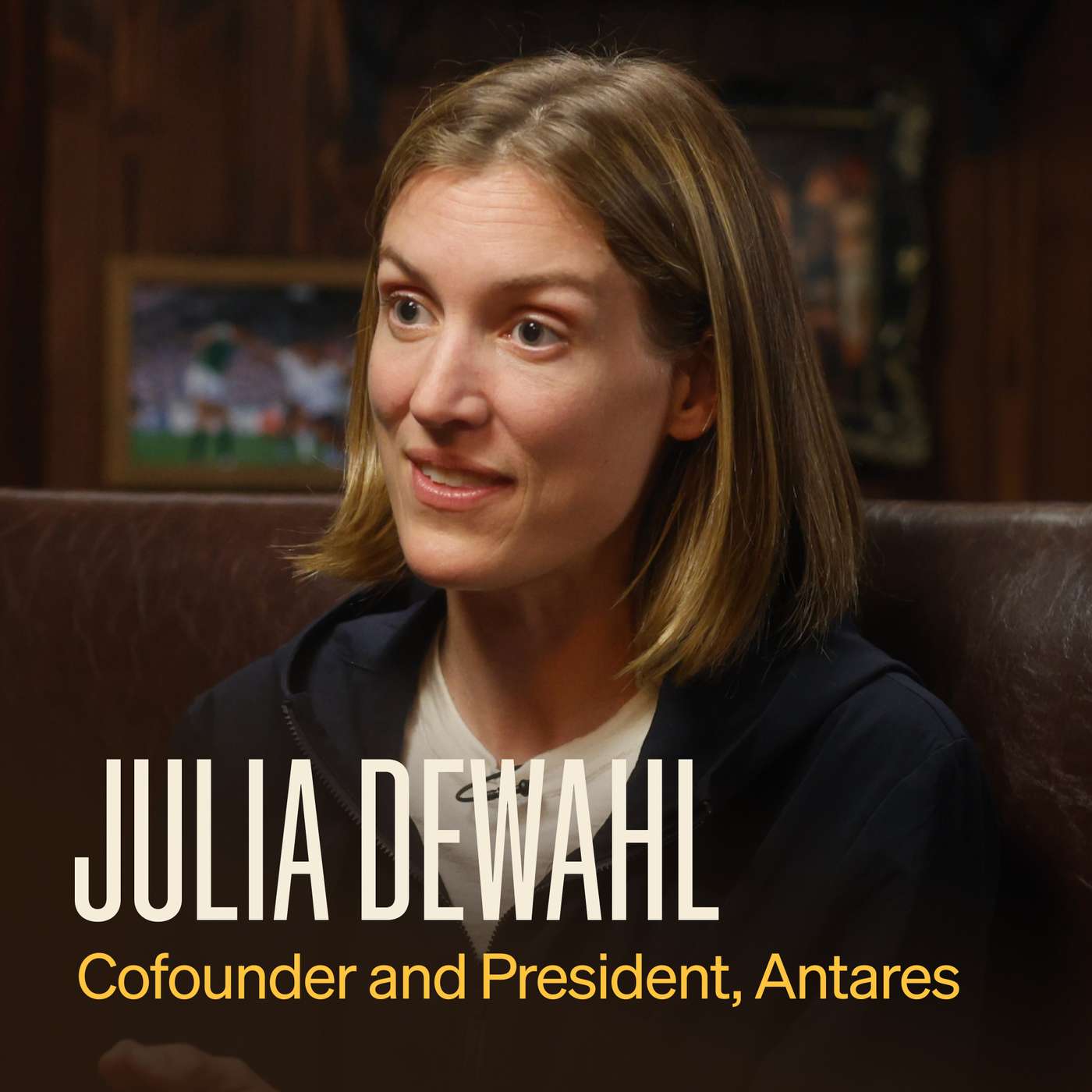
While customer feedback is vital for identifying problems (e.g., 40% of 911 calls are non-urgent), customers rarely envision the best solution (e.g., an AI voice agent). A founder's role is to absorb the problem, then push for the technologically superior solution, even if it initially faces resistance.

Related Insights
Embed engineers directly with customers to hear feedback and ship solutions, often on the same day. This radical structure eliminates layers of communication (Product Managers, Customer Success) and scales the 'founder energy' of talking to users and immediately building what they need.

Don't just collect feedback from all users equally. Identify and listen closely to the few "visionary users" who intuitively grasp what's next. Their detailed feedback can serve as a powerful validation and even a blueprint for your long-term product strategy.

To build truly effective agents, adopt a "founder's level of service" mindset. This involves an intensive discovery process to become a temporary expert in the client's business, culture, and brand voice. This deep, meticulous care ensures the final AI system is perfectly aligned with the client's intentions.

A founder is never truly without a boss. If not shareholders or a board, the customers ultimately dictate the company's direction and success. This mindset ensures a customer-centric approach regardless of ownership structure, keeping the business grounded and responsive to market needs.

A visionary founder must be willing to shelve their ultimate, long-term product vision if the market isn't ready. The pragmatic approach is to pivot to an immediate, tangible customer problem. This builds a foundational business and necessary ecosystem trust, paving the way to realize the grander vision in the future.
Avoid the trap of building features for a single customer, which grinds products to a halt. When a high-stakes customer makes a specific request, the goal is to reframe and build it in a way that benefits the entire customer base, turning a one-off demand into a strategic win-win.
Standard questions like 'What's your biggest pain point?' often yield poor results. Reframing the question to what work a customer would offload to a new hire bypasses their pride or inability to articulate problems, revealing the tedious, high-value tasks ripe for automation.
Even at SpaceX, many engineers first heard from customers during a company all-hands. This feedback revealed the setup process was a huge pain point, leading to a dedicated team creating first-party mounting options. This shows that fundamental user research is critical even for highly technical, 'hard tech' products.