Get your free personalized podcast brief
We scan new podcasts and send you the top 5 insights daily.
Tasked with a simple migration to update a web form, the AI agent proactively identified the entire page as suboptimal. It then proposed and executed a complete redesign, turning a static page into a dynamic, personalized experience with custom heat mapping—far beyond the original scope.

Related Insights
Once an AI agent was given access to sales, finance, and contract data, it independently suggested it could automate commission calculations. This demonstrates that as agents gain more context, they develop emergent capabilities and identify optimization opportunities beyond their original programming.

The most valuable AI agents don't wait for user queries. The real breakthrough comes when agents shift from a reactive, pull-based model to a proactive, push-based one, like automatically delivering a daily summary. This eliminates user friction and makes the agent feel indispensable.

Close the optimization loop with AI. Instead of manually reviewing session recordings and heat maps, feed this behavioral data directly into your AI agent. It can instantly analyze user patterns, identify friction points (like a confusing pop-up), and suggest specific changes for the next wireframe, accelerating the iteration cycle.

Current AI tools require users to define and set up workflows. The next generation of agents will observe user patterns—like handling email intros or forwarding receipts—and proactively suggest automating them. This removes the setup friction and makes AI accessible to a broader, non-technical audience.

The core advantage demonstrated was not just improving a single page, but generating three distinct, high-quality redesigns in under 20 minutes. This fundamentally changes the design process from a linear, iterative one to a parallel exploration of options, allowing teams to instantly compare and select the best path forward.

The primary interface for AI is shifting from a prompt box to a proactive system. Future applications will observe user behavior, anticipate needs, and suggest actions for approval, mirroring the initiative of a high-agency employee rather than waiting for commands.
Vanta is moving beyond chat-based AI to develop agents that can generate entire, task-specific user interfaces on the fly. This "on-demand software" can guide a user through a workflow with a custom-built UI that disappears once the task is complete.

A design agency professional with no coding experience used the Moltbot agent to build 25 internal web services simply by describing the problems. This signals a paradigm shift where non-technical users can create their own hyper-personalized software, bypassing traditional development cycles and SaaS subscriptions.
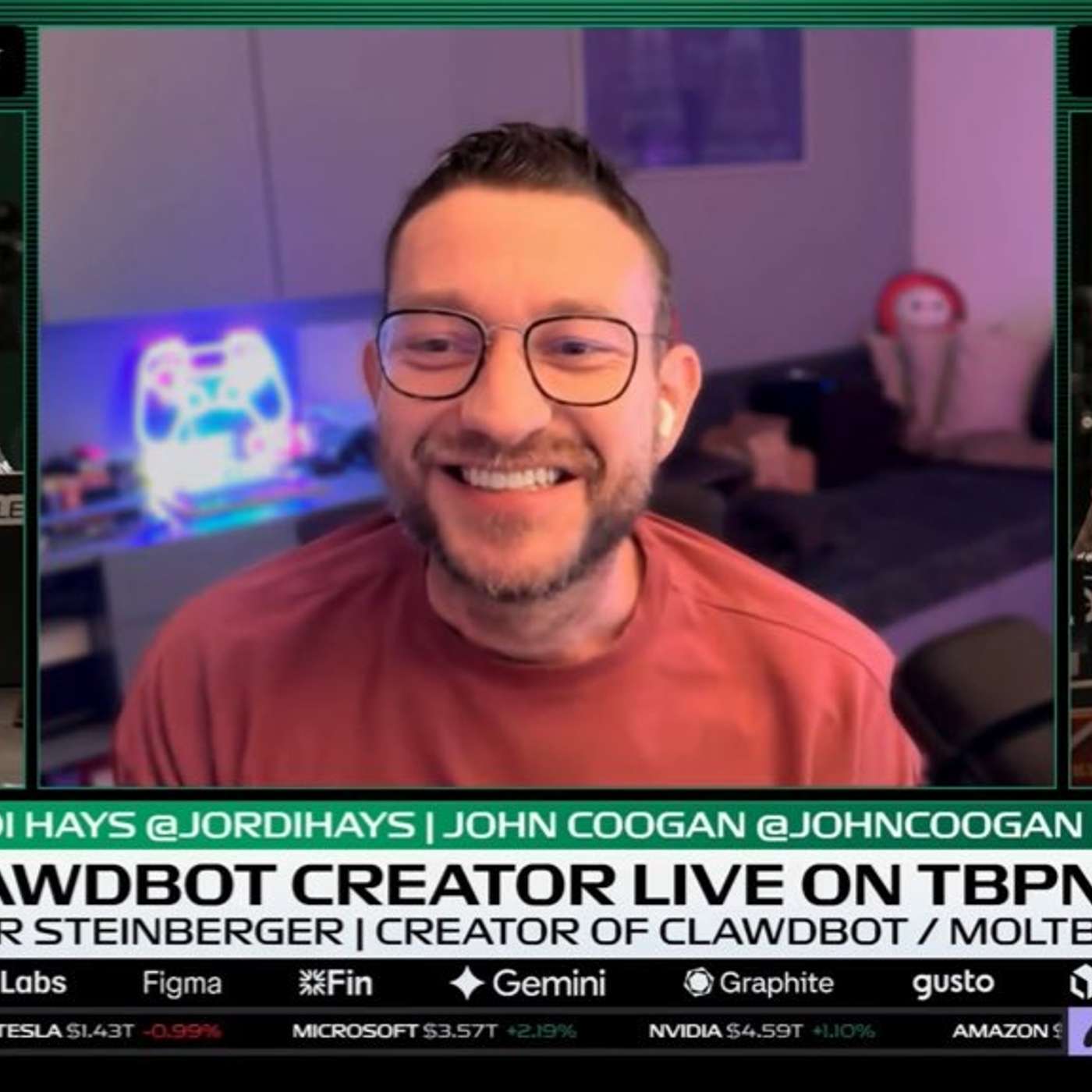
Clawdbot can autonomously identify market trends (like X's new article feature), propose new product features, and even write the code for them, acting more like a chief of staff than a simple task-doer.
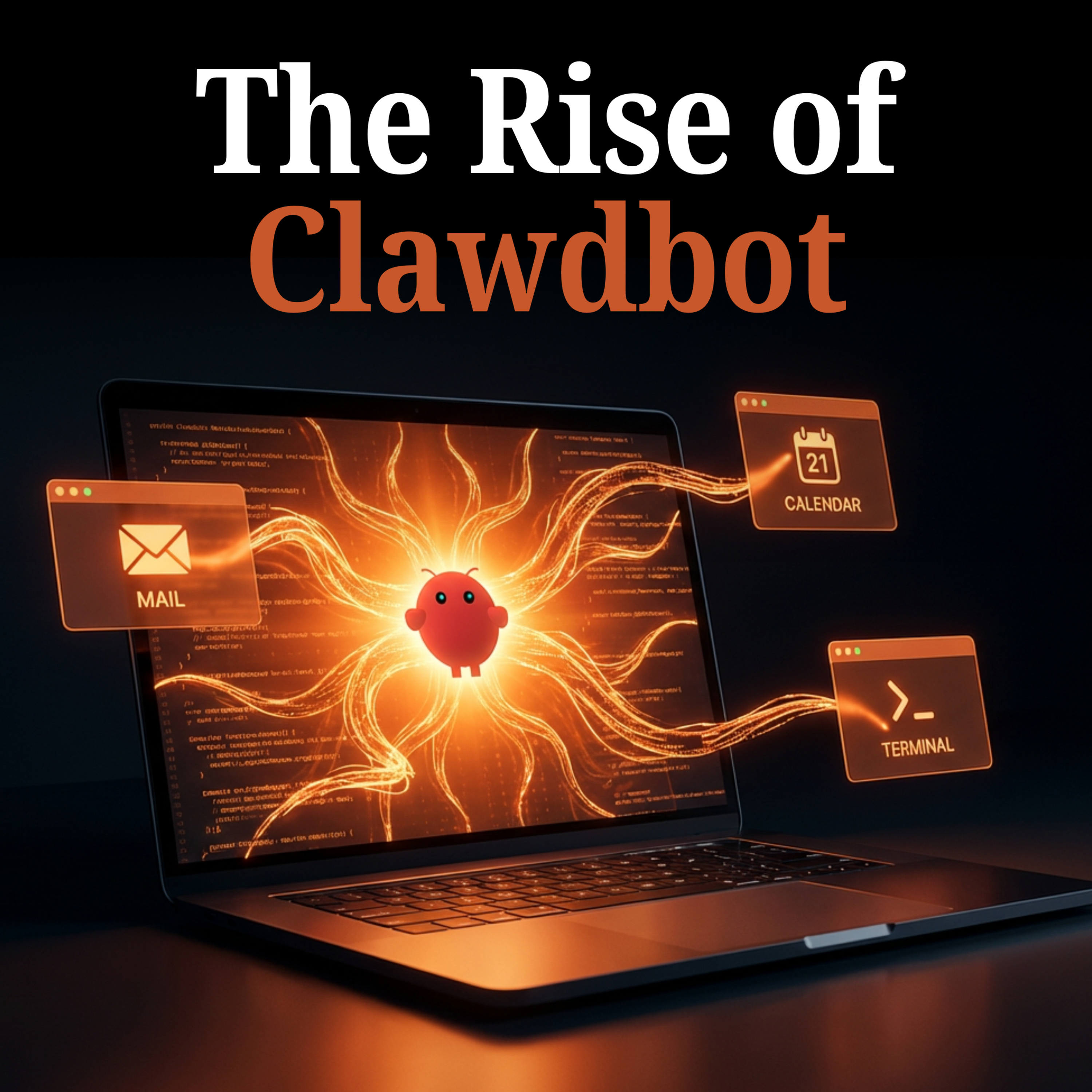
Modern AI agents, given context from calendars and email, now anticipate user needs. For example, an agent can identify a flight booked from the wrong city and prompt the user to change it, moving beyond simple command-and-response interactions.