Get your free personalized podcast brief
We scan new podcasts and send you the top 5 insights daily.
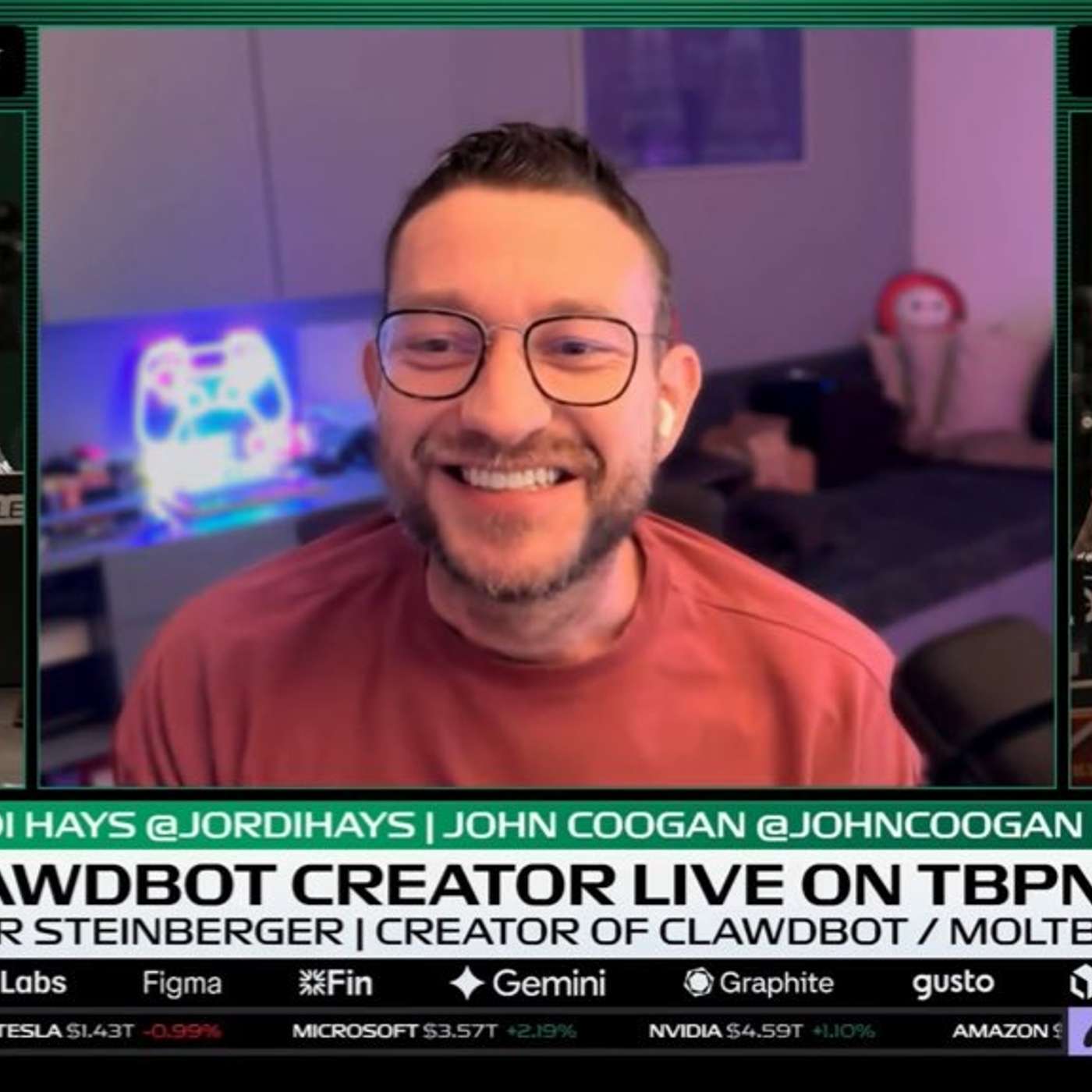
A design agency professional with no coding experience used the Moltbot agent to build 25 internal web services simply by describing the problems. This signals a paradigm shift where non-technical users can create their own hyper-personalized software, bypassing traditional development cycles and SaaS subscriptions.
Related Insights
Block's AI agent, Goose, has an accessible UI that allows non-technical employees in roles like sales and finance to build their own software dashboards and tools. This democratizes software creation within the enterprise, turning domain experts into citizen developers.

Modern AI coding agents allow non-technical and technical users alike to rapidly translate business problems into functional software. This shift means the primary question is no longer 'What tool can I use?' but 'Can I build a custom solution for this right now?' This dramatically shortens the cycle from idea to execution for everyone.

AI coding agents enable "vibe coding," where non-engineers like designers can build functional prototypes without deep technical expertise. This accelerates iteration by allowing designers to translate ideas directly into interactive surfaces for testing.
The barrier to creating software is collapsing. Non-coders can now build sophisticated, personalized applications for specific workflows in under an hour. This points to a future where individuals and teams create their own disposable, custom tools, replacing subscriptions to numerous niche SaaS products.

The true advantage of AI coding tools like Claude Code is not just task automation, but the ability for non-engineers to build a suite of personal, custom applications. This "personal software" is the ultimate unlock for scaling a marketer's unique craft and workflows.

The surprising success of Dia's custom "Skills" feature revealed a huge user demand for personalized tools. This suggests a key value of AI is enabling non-technical users to build "handmade software" for their specific, just-in-time needs, moving beyond one-size-fits-all applications.

Traditionally, building software required deep knowledge of many complex layers and team handoffs. AI agents change this paradigm. A creator can now provide a vague idea and receive a 60-70% complete, working artifact, dramatically shortening the iteration cycle from months to minutes and bypassing initial complexities.

Instead of integrating with existing SaaS tools, AI agents can be instructed on a high-level goal (e.g., 'track my relationships'). The agent can then determine the need for a CRM, write the code for it, and deploy it itself.
Using AI platforms like Lovable, business leaders can build custom internal apps simply by describing what they want in plain English. The host created a bespoke org chart tool in 10 minutes, a process that previously required a lengthy and frustrating cycle with developers, showcasing a dramatic acceleration in productivity.
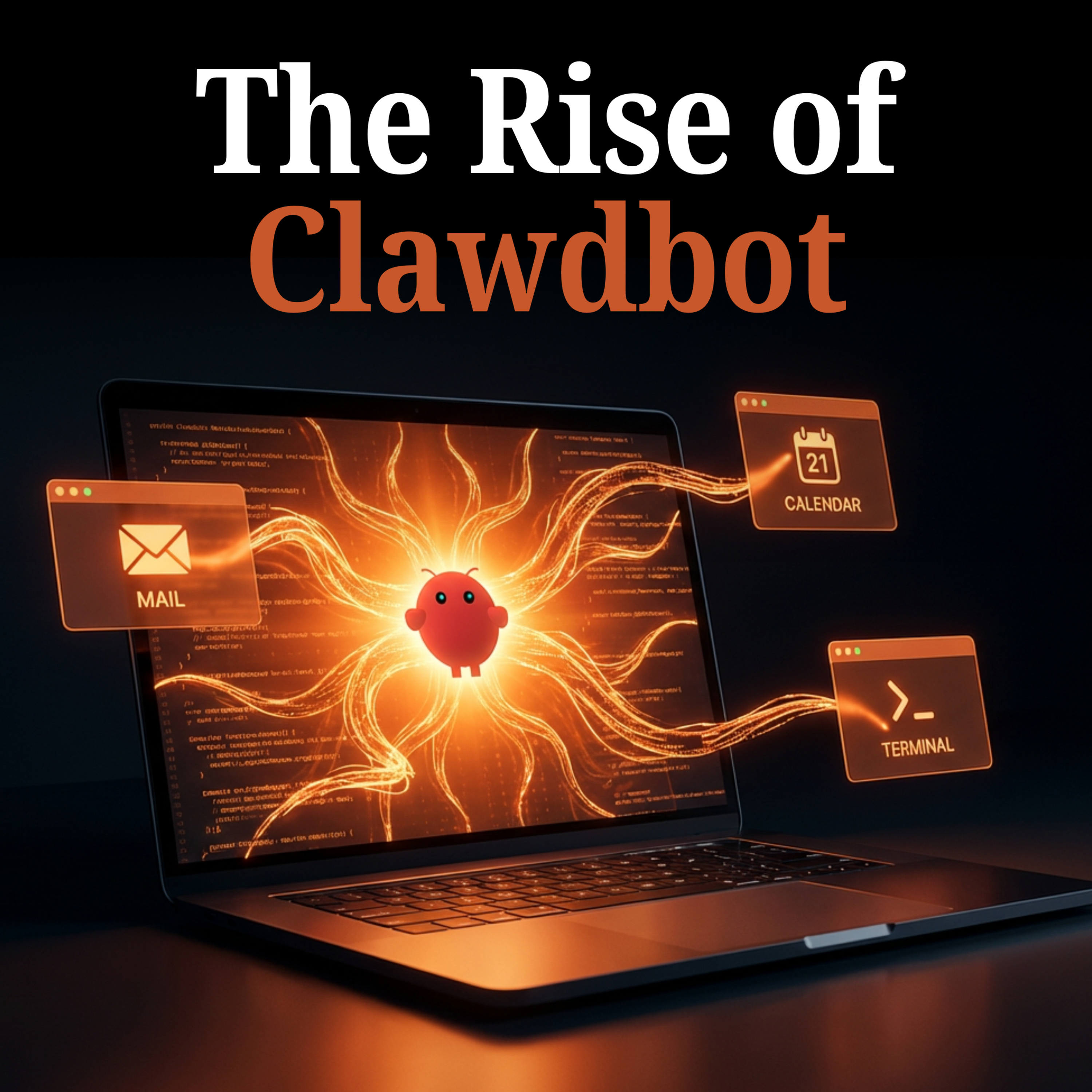
Non-technical users are leveraging agents like Moltbot to build their own hyper-personalized software. By simply describing a problem in natural language, they can create internal tools that perfectly solve their needs, eliminating the need to subscribe to many single-purpose SaaS applications.
