Get your free personalized podcast brief
We scan new podcasts and send you the top 5 insights daily.
Vanta is moving beyond chat-based AI to develop agents that can generate entire, task-specific user interfaces on the fly. This "on-demand software" can guide a user through a workflow with a custom-built UI that disappears once the task is complete.

Related Insights
The dominant AI interface will be a universal conversational layer (chat/voice) for any task. This will be supplemented by specialized graphical UIs for power users needing deep functional control, much like an executive sometimes needs to edit a document directly instead of dictating to an assistant.
The next generation of software may lack traditional user interfaces. Instead, they will be 'API-first' or 'agent-first,' integrating directly into existing workflows like Slack or email. Software will increasingly 'visit the user' rather than requiring the user to visit a dashboard.

In this software paradigm, user actions (like button clicks) trigger prompts to a core AI agent rather than executing pre-written code. The application's behavior is emergent and flexible, defined by the agent's capabilities, not rigid, hard-coded rules.

While chatbots are an effective entry point, they are limiting for complex creative tasks. The next wave of AI products will feature specialized user interfaces that combine fine-grained, gesture-based controls for professionals with hands-off automation for simpler tasks.
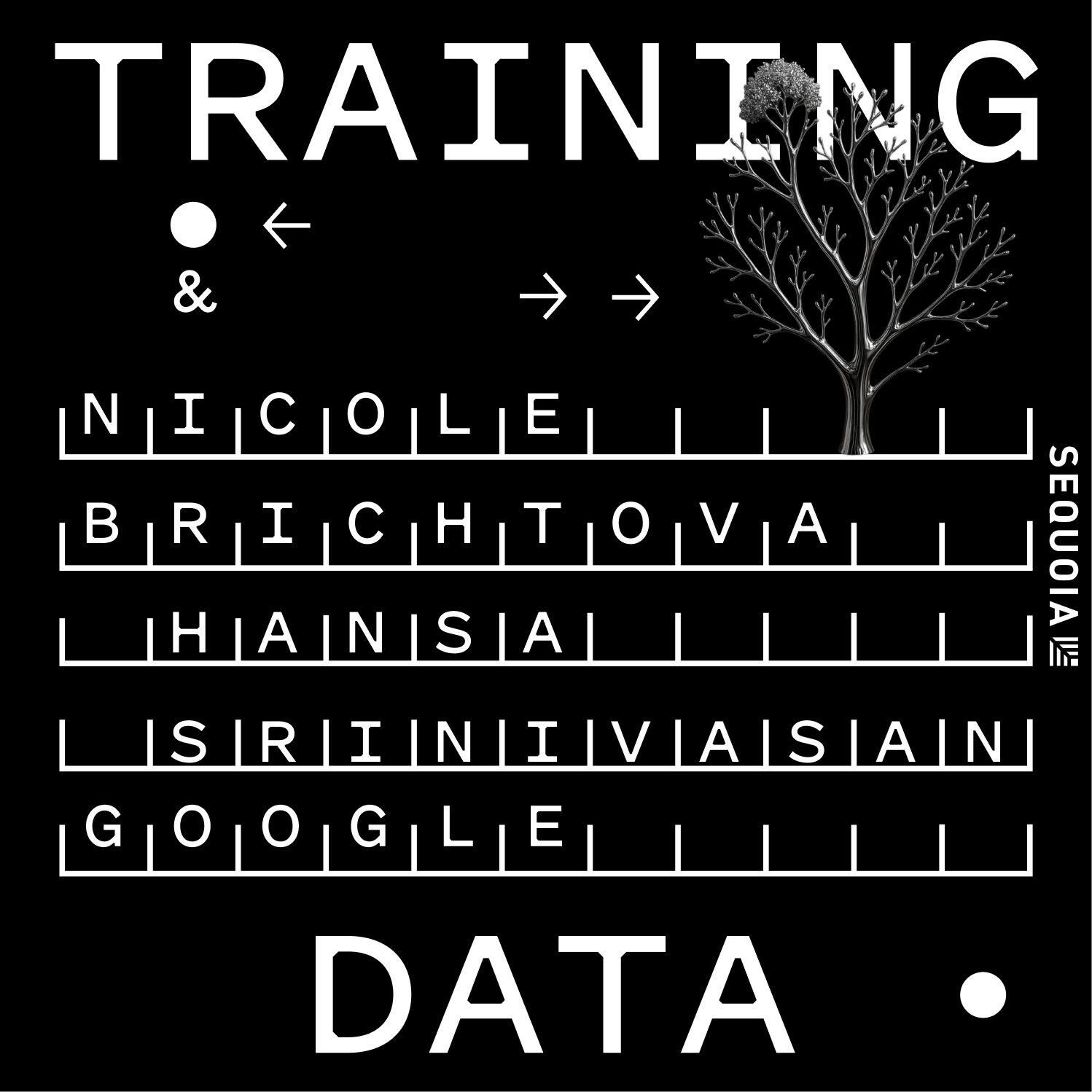
The best UI for an AI tool is a direct function of the underlying model's power. A more capable model unlocks more autonomous 'form factors.' For example, the sudden rise of CLI agents was only possible once models like Claude 3 became capable enough to reliably handle multi-step tasks.
The next frontier for conversational AI is not just better text, but "Generative UI"—the ability to respond with interactive components. Instead of describing the weather, an AI can present a weather widget, merging the flexibility of chat with the richness of a graphical interface.

AI will fundamentally change user interfaces. Instead of designers pre-building UIs, AI will generate the necessary "forms and lists" on the fly based on a user's natural language request. This means for the first time, the user, not the developer, will be the one creating the interface.

Instead of integrating with existing SaaS tools, AI agents can be instructed on a high-level goal (e.g., 'track my relationships'). The agent can then determine the need for a CRM, write the code for it, and deploy it itself.
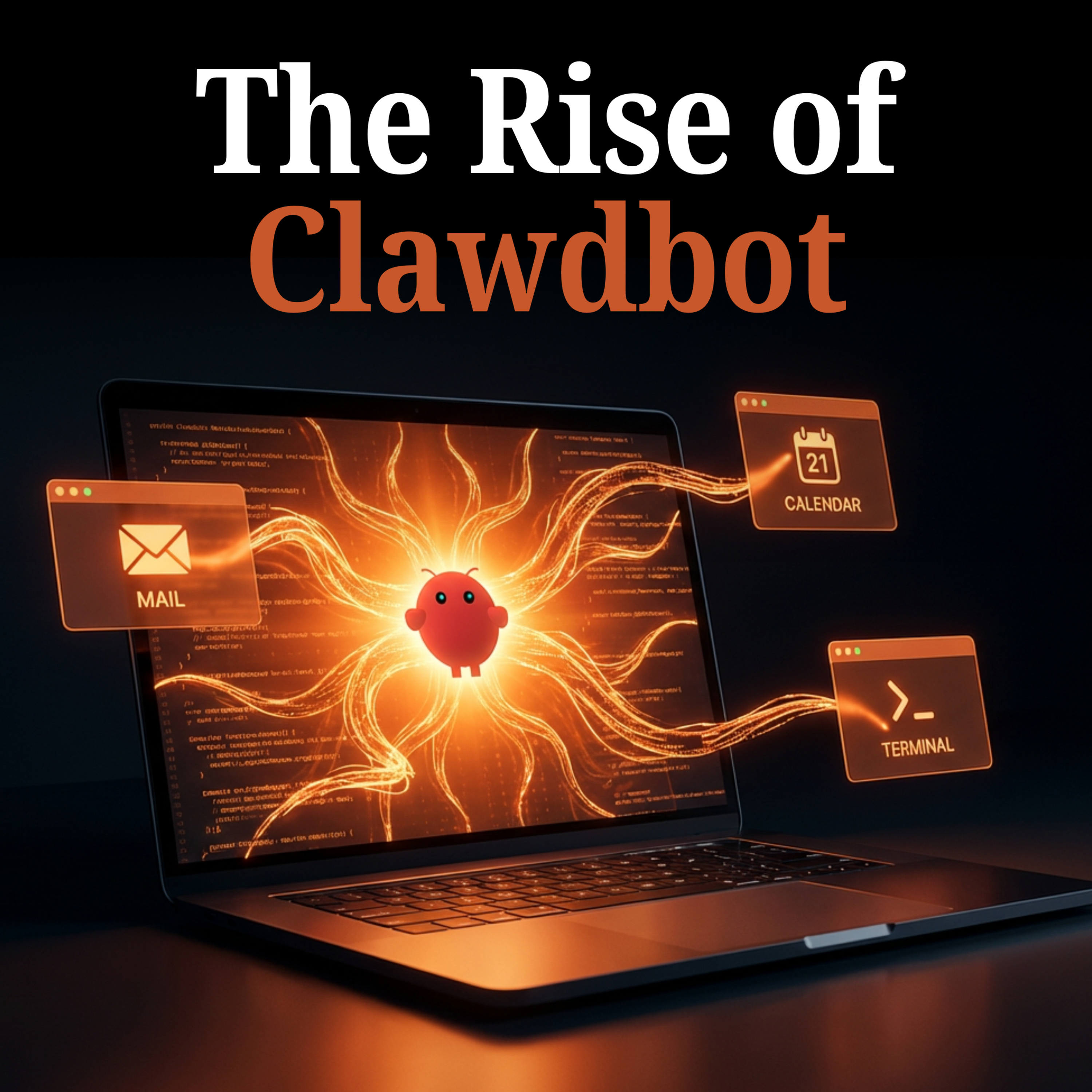
Chatbots are fundamentally linear, which is ill-suited for complex tasks like planning a trip. The next generation of AI products will use AI as a co-creation tool within a more flexible canvas-like interface, allowing users to manipulate and organize AI-generated content non-linearly.
The next evolution of enterprise AI isn't conversational chatbots but "agentic" systems that act as augmented digital labor. These agents perform complex, multi-step tasks from natural language commands, such as creating a training quiz from a 700-page technical document.
