Get your free personalized podcast brief
We scan new podcasts and send you the top 5 insights daily.
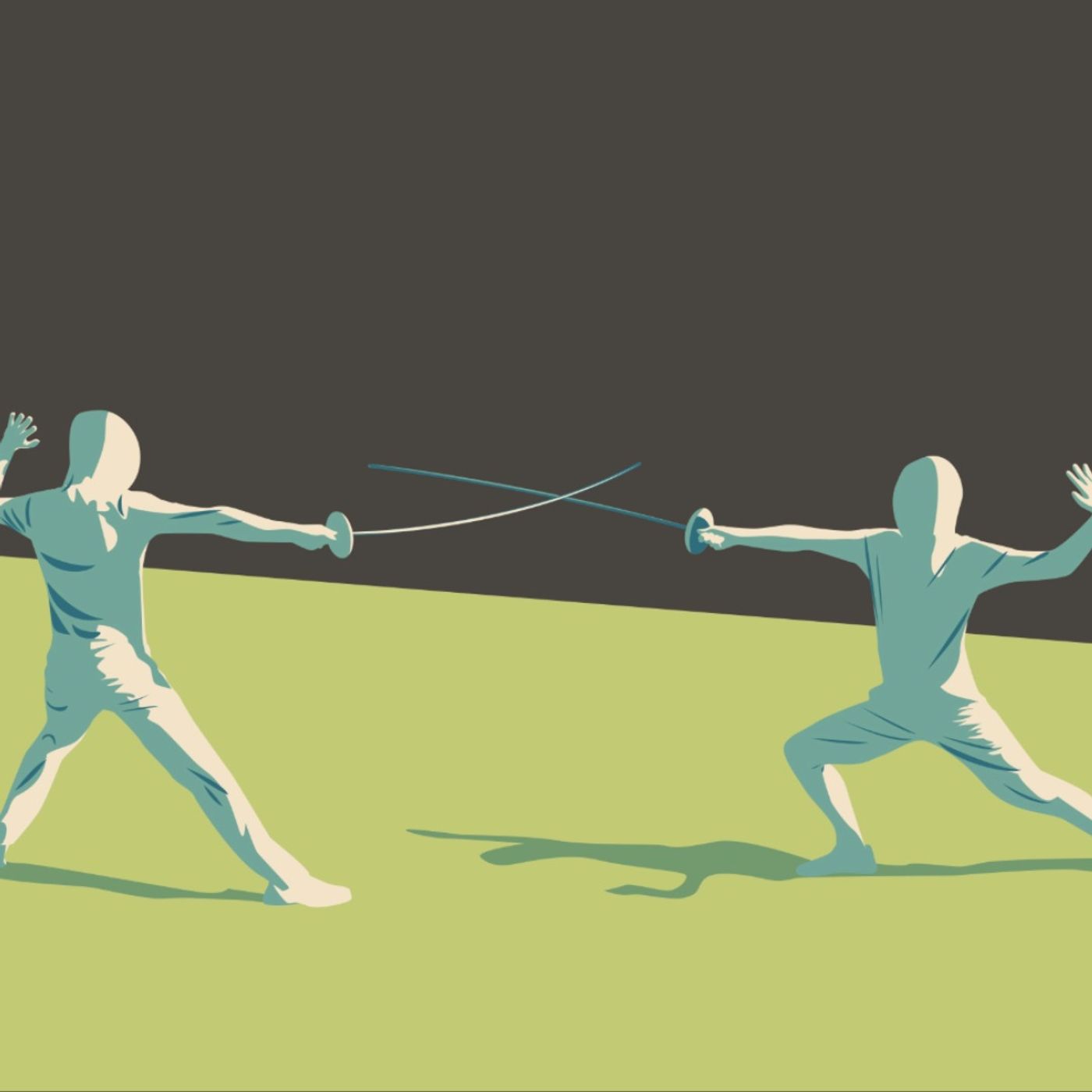
We gain 20 IQ points advising others but lose 20 advising ourselves. 'Deep sparring'—collaborative problem-solving with trusted peers—leverages this effect. A few hours of this per quarter provides outside perspective that can break through personal biases more effectively than weeks of isolated work.

Related Insights
Creative solutions often emerge from those not deeply entrenched in a problem. Using the analogy of medical 'grand rounds'—where doctors from unrelated fields consult on a difficult case—Chopra suggests that non-experts can 'think outside the box' precisely because they aren't confined by conventional knowledge.

Shifting from a black-and-white "right vs. wrong" mindset to a probabilistic one (e.g., "I'm 80% sure") reduces personal attachment to ideas. This makes group discussions more fluid and productive, as people become more open to considering alternative viewpoints they might otherwise dismiss.

Teams often mistake compromise for collaboration, leading to average outcomes. True collaboration requires balancing high assertiveness (people speaking their mind directly) with high cooperativeness (openly listening to others). It is not about meeting in the middle.

Roman soldiers fought with a shield in their left hand and sword in their right, leaving one side vulnerable. They compensated by fighting shoulder-to-shoulder, with each man's shield protecting his neighbor. This is a powerful model for accountability: find trusted peers to cover your blind spots.

Users who treat AI as a collaborator—debating with it, challenging its outputs, and engaging in back-and-forth dialogue—see superior outcomes. This mindset shift produces not just efficiency gains, but also higher quality, more innovative results compared to simply delegating discrete tasks to the AI.
Orlando Bravo argues valuable mentorship isn't found in occasional calls. It's cultivated through daily work with colleagues who have direct context on your challenges. Proximity allows for the deep, nuanced guidance that scheduled, low-context conversations cannot provide.

Simply joining a mastermind isn't enough. The real value comes when founders shift from passive observation to active, vulnerable participation. By openly sharing plans, admitting struggles, and building peer relationships, entrepreneurs can unlock the true potential of a high-level group.

Even trained experts can remain blind to their own destructive habits. The act of verbalizing a problem to another person is uniquely powerful, penetrating denial and creating a level of awareness that enables change, which is often impossible to achieve through internal reflection alone.

Research shows that when adults (parents, managers) use collaborative problem-solving, they don't just help the other person. The act of practicing empathy, perspective-taking, and flexible thinking strengthens these very same neurocognitive skills in themselves.
Experts often view problems through the narrow lens of their own discipline, a cognitive bias known as the "expertise trap" or Maslow's Law. This limits the tools and perspectives applied, leading to suboptimal solutions. The remedy is intentional collaboration with individuals who possess different functional toolkits.