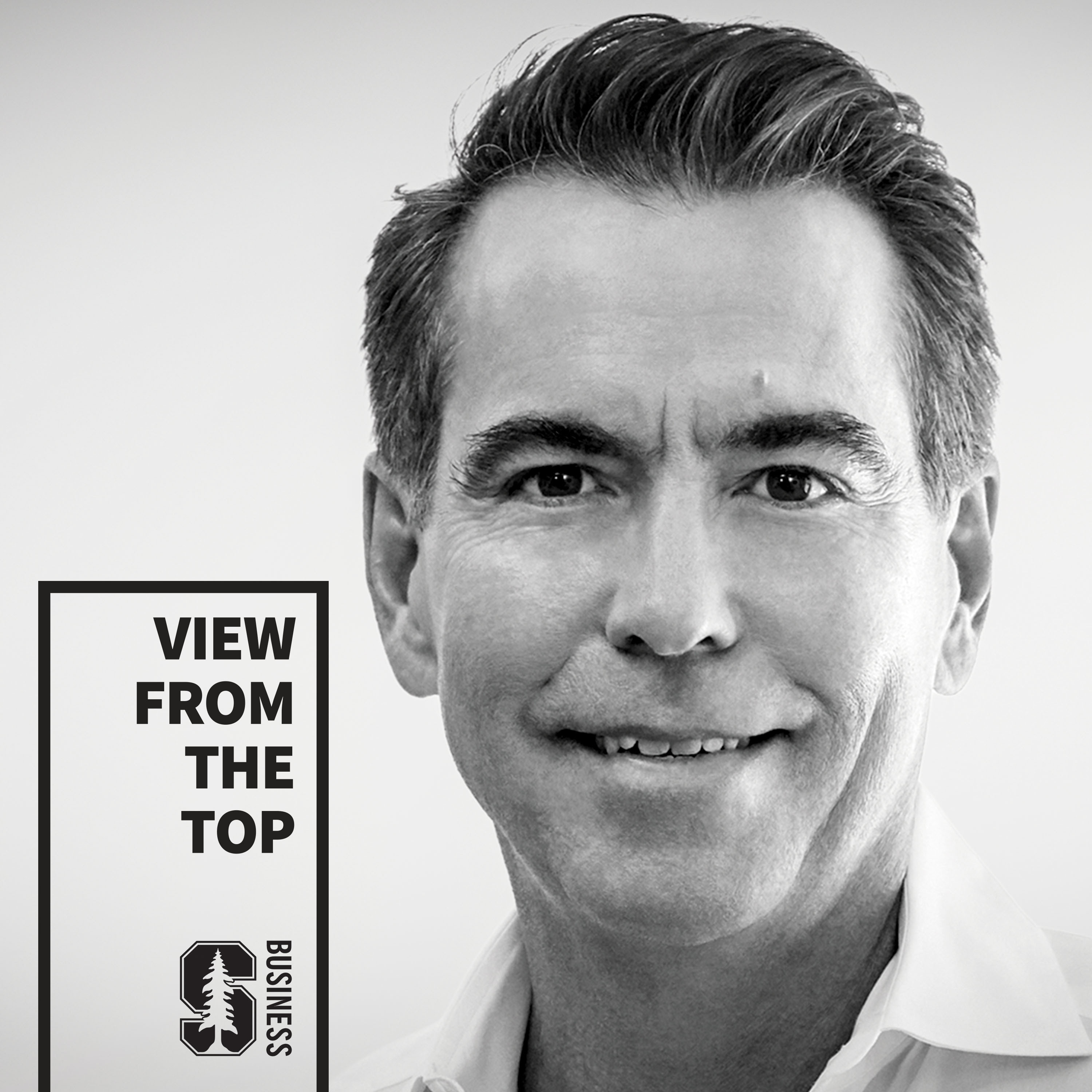
Orlando Bravo's first deals as a young PE professional were a catastrophe, with two going to zero. His mentor, Carl Thoma, gave him a second chance but with a crucial lesson: you can make mistakes, but you cannot make the same *type* of mistakes again.
After early failures, Orlando Bravo pioneered software buyouts. This was a contrarian move, as the prevailing view was that these companies were either too old or too risky. This niche focus on making unprofitable software businesses viable became the foundation of his firm's success.
Orlando Bravo argues valuable mentorship isn't found in occasional calls. It's cultivated through daily work with colleagues who have direct context on your challenges. Proximity allows for the deep, nuanced guidance that scheduled, low-context conversations cannot provide.
When asked if AI commoditizes software, Bravo argues that durable moats aren't just code, which can be replicated. They are the deep understanding of customer processes and the ability to service them. This involves re-engineering organizations, not just deploying a product.
Orlando Bravo didn't get a return offer from his internship. Instead of giving up, he sent 500 resumes and cold-called firms, landing his pivotal role just two weeks before graduating. It shows that persistence, not a linear path, is key to breaking into competitive fields.
During his final offer dinner with Carl Thoma, Orlando Bravo asked for carried interest. Thoma was so put off by the request that he almost withdrew the offer, teaching Bravo a crucial lesson about earning your place before making demands.
Students often believe their target industry is too crowded. Bravo counters this, recalling how a top PE head told him the industry was 'taken' in 1997. He argues the next generation can build bigger firms by ignoring such cyclical pessimism and focusing on execution.