Get your free personalized podcast brief
We scan new podcasts and send you the top 5 insights daily.
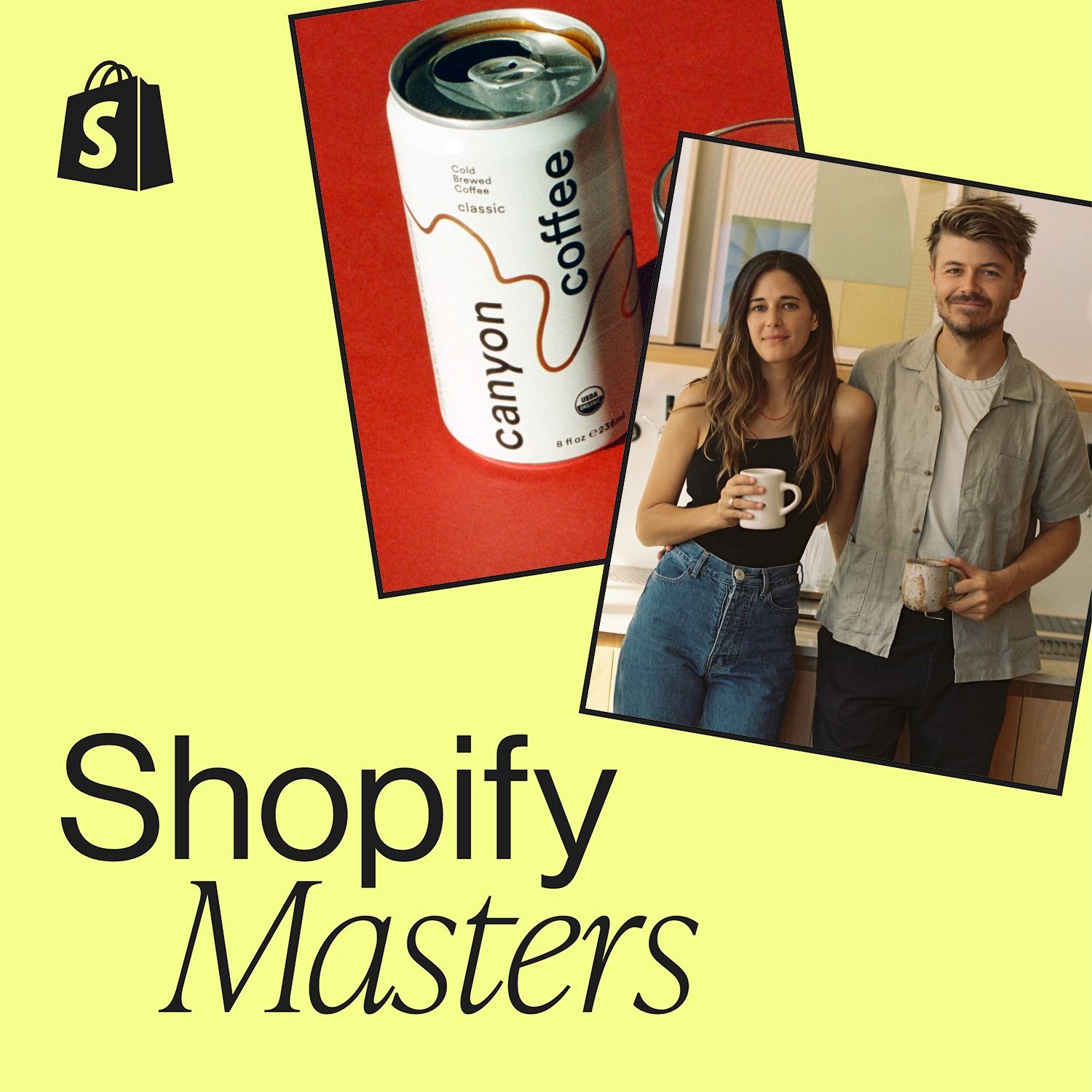
The founders started with only $5k in savings and a $10k credit card. By focusing on being profitable from day one and avoiding debt for salaries, they organically grew their CPG brand to over a million dollars in revenue in four years without any external funding.
Related Insights
Indiegogo's co-founder explains that the concept of "runway" doesn't apply to a bootstrapped startup living on savings. Instead of a dwindling cash reserve, the limit is the founders' personal willingness to continue investing their own time and money.

Canyon Coffee's founder advocates a strict financial principle: salaries must be funded by revenue, not loans or investment. New hires are "earned" when business growth can support them, often starting fractionally, to ensure sustainable team expansion and avoid excessive cash burn.
The founders reversed the typical coffee business model by starting with e-commerce, not a cafe, to maintain the flexibility to travel. This decision shaped their brand identity, leading them to create travel guides that became a key tool for building their email list.
The founders delayed institutional funding to protect their long-term brand strategy. This freedom allowed them to avoid paid ads, which a VC might have demanded for quick growth, and instead focus on building a more powerful and sustainable word-of-mouth engine first.

Despite making millions, Chip and Joanna never took on outside investors. They knew private equity could accelerate growth and ease operational pain, but they chose to reinvest every dollar earned back into the business. This deliberate decision ensured they maintained complete control over their brand.
Gwen Whiting bootstrapped her company with $250k in credit card debt. She found card APRs were more favorable than the high-interest small business loans marketed to women at the time, making strategic debt rollover a viable, albeit risky, funding path.

The founders leveraged non-business backgrounds as an advantage. Modeling experience drove the brand's aesthetic vision, while a history in music and community organizing taught them how to build a passionate team and following without significant financial resources.
Despite a $50 million exit from their previous company, the Everflow founders intentionally limited their initial investment to a few hundred thousand dollars and didn't take salaries for two years. They believed capital scarcity forces focus and efficiency, preventing wasteful spending while they were still figuring out the product.

Venture capital can create a "treadmill" of raising rounds based on specific metrics, not building a sustainable business. Avoiding VC funding allowed Donald Spann to maintain control, focus on long-term viability, and build a company he could sustain without external pressures or risks.

Without VC funding, Free Soul couldn't afford to acquire customers at a loss. Their core financial rule was that customer acquisition costs must be lower than the gross margin on the very first purchase, a strict focus on unit economics that fueled their sustainable growth.