Get your free personalized podcast brief
We scan new podcasts and send you the top 5 insights daily.
Unlike YouTube's transparent contractual 55% ad revenue share, Facebook distributes video revenue through arbitrary, discretionary bonus programs. Once Meta achieves its creator onboarding goals or alters platform priorities, these publisher payouts can disappear overnight.

Related Insights
Platforms like Meta paying creators to post content is a recurring tactic to bootstrap engagement. However, creators who rely on this income are vulnerable, as platforms can change their minds "on a whim." It's not a sustainable business model for the creator or a real sign of platform revival.

Platforms like Meta dominate the micro-drama media trend by charging creators for ad placement while simultaneously displaying those same video clips as free user entertainment. This structure lets the platform earn immediate ad revenue while capturing audience attention without bearing production costs.

TikTok Shop is highly effective for brands selling consumer products, acting as a modern-day QVC. However, it offers an unsustainable revenue model for content creators. This highlights a strategic misalignment where TikTok is prioritizing e-commerce transactions over the financial health of the creators who power its platform.
Unlike newer platforms with opaque payout systems, YouTube is locked into a 55% revenue share with creators. Hank Green suggests this is now seen as a strategic mistake by YouTube, a system so entrenched that changing it would cause a massive creator revolt, giving creators unique leverage.

Unlike studios risking billions on upfront investments, YouTube only pays for successful content via revenue sharing. Creators then reinvest this money into better productions, improving the platform's overall quality and capturing more audience attention in a virtuous, self-funding cycle.
YouTube is reintroducing guaranteed payments for top creators, a tactic it used 15 years ago with networks like Maker Studios. This is not a new innovation but a cyclical, defensive strategy to prevent its biggest stars from being poached by competitors like Netflix and Disney.
YouTube's decision to share 55% of ad revenue with creators on a video-by-video basis was a novel concept that has since distributed over $100 billion. This business model was the fundamental economic engine that built an entirely new class of entrepreneurs and established the creator economy.

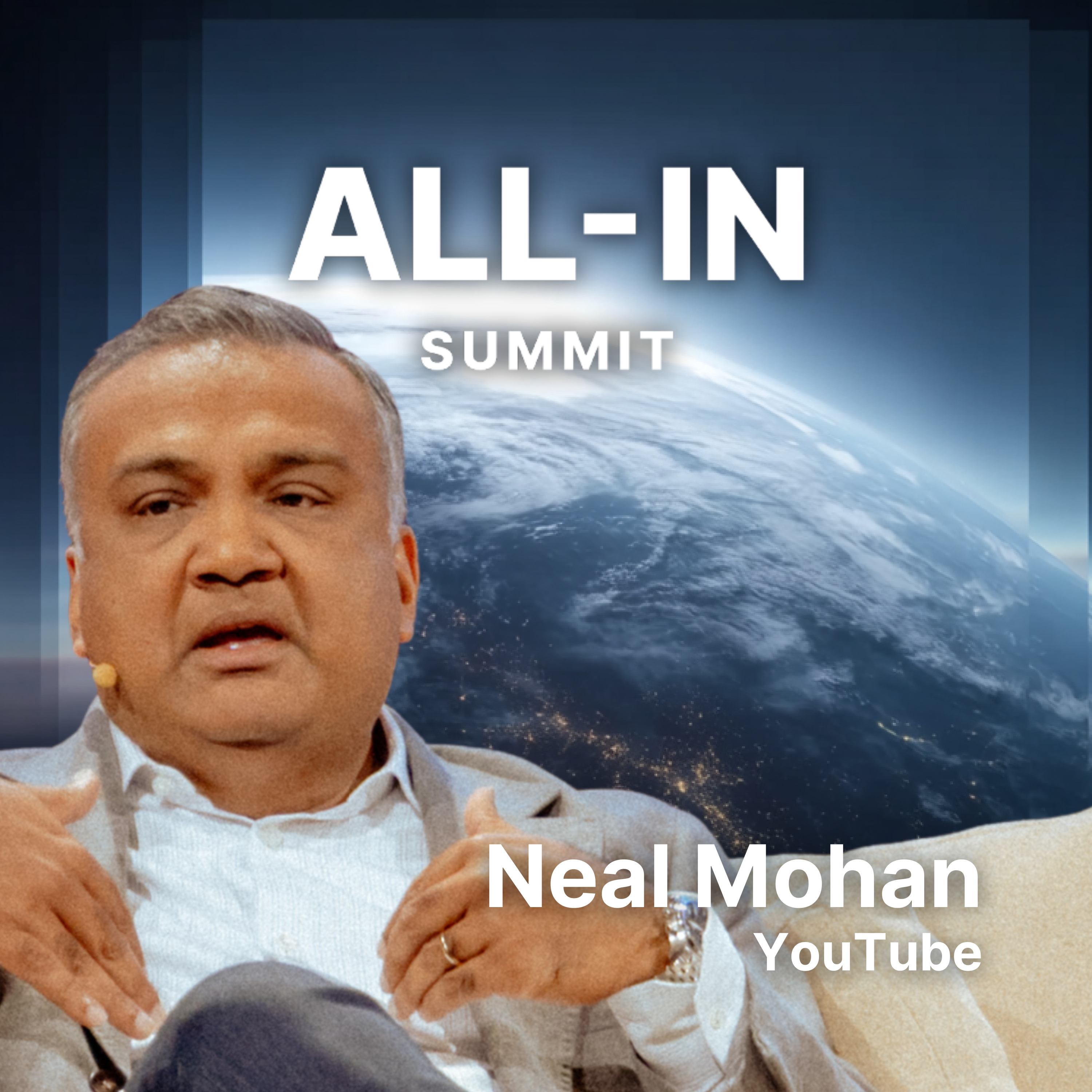
Neal Mohan defends YouTube's revenue split by positioning it as a model where creators bet on their own growth, contrasting with traditional media's upfront payments. For top creators who self-monetize, he frames this as a flexible choice, not a platform weakness, allowing them to select the model that best suits their business.
Unlike YouTube, where payouts support high-effort video, direct monetization on short-form platforms like X incentivizes low-quality, rage-bait content. Threads' strategy is instead to direct traffic to creators' sustainable, off-platform businesses (e.g., podcasts, newsletters) rather than paying for impressions.

Chris Koerner was making $25-35k a month from Facebook Reels. He explains that since most creators focus on Instagram and TikTok, Facebook has a shortage of quality content for its billion-plus users, forcing them to pay premium rates to attract creators back.