Get your free personalized podcast brief
We scan new podcasts and send you the top 5 insights daily.
Platforms like Meta paying creators to post content is a recurring tactic to bootstrap engagement. However, creators who rely on this income are vulnerable, as platforms can change their minds "on a whim." It's not a sustainable business model for the creator or a real sign of platform revival.

Related Insights
YouTube's content rules change weekly without warning. A sudden demonetization or age-restriction can cripple an episode's reach after it's published, highlighting the significant platform risk creators face when distribution is controlled by a third party with unclear policies.
Relying on one platform and its payments is a high-risk strategy due to algorithm volatility. Successful creators build resilience by distributing content across multiple platforms (podcasts, newsletters, websites) and combining revenue from ads, sponsorships, and direct sales.

TikTok Shop is highly effective for brands selling consumer products, acting as a modern-day QVC. However, it offers an unsustainable revenue model for content creators. This highlights a strategic misalignment where TikTok is prioritizing e-commerce transactions over the financial health of the creators who power its platform.
The creator economy's foundation is unstable because platforms don't pay sustainable wages, forcing creators into brand-deal dependency. This system is vulnerable to advertisers adopting stricter metrics and the rise of cheap AI content, which will squeeze creator earnings and threaten the viability of the creator "middle class."

Social media platforms are algorithmically incentivizing creators to become "micro giants" (1-5M subscribers) with highly engaged niche audiences, rather than global superstars. This model is more sustainable and allows for direct monetization with targeted products, representing a strategic shift in the creator economy.
Platforms like TikTok exploit a continuous supply of new creators who work for attention, not money. They burn out after about six months, only to be replaced by another wave, creating a system where the platform never has to offer sustainable careers to maintain its content firehose.

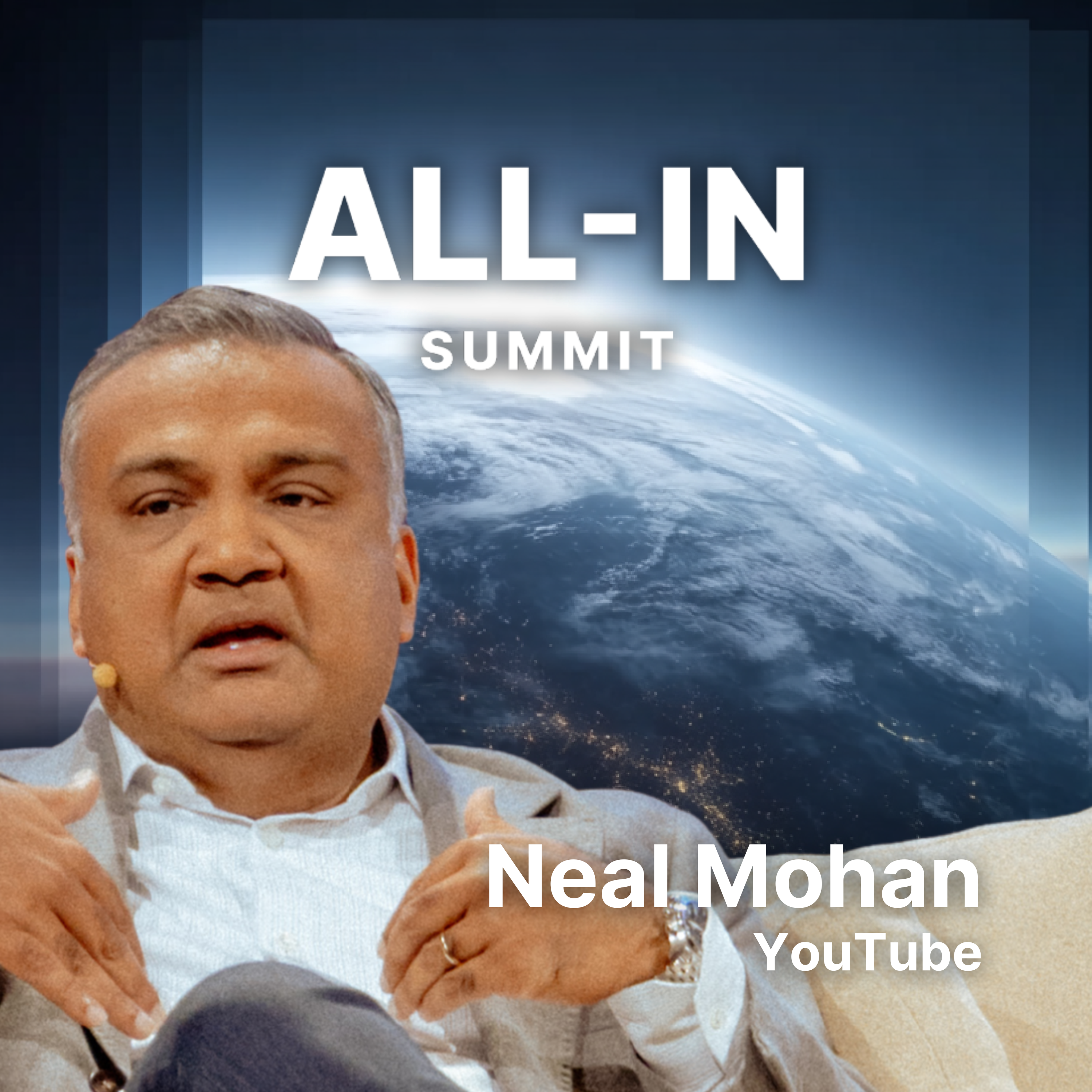
Neal Mohan defends YouTube's revenue split by positioning it as a model where creators bet on their own growth, contrasting with traditional media's upfront payments. For top creators who self-monetize, he frames this as a flexible choice, not a platform weakness, allowing them to select the model that best suits their business.
While lucrative for top performers, being a content creator is fundamentally unscalable. The business is entirely dependent on the individual's daily effort and presence. If the creator stops producing content, the revenue stream disappears, creating a high-pressure 'prison' for the individual.

Unlike YouTube, where payouts support high-effort video, direct monetization on short-form platforms like X incentivizes low-quality, rage-bait content. Threads' strategy is instead to direct traffic to creators' sustainable, off-platform businesses (e.g., podcasts, newsletters) rather than paying for impressions.

Avoid building your primary content presence on platforms like Medium or Quora. These platforms inevitably shift focus from serving users to serving advertisers and their own bottom line, ultimately degrading reach and control for creators. Use them as spokes, but always own your central content hub.
