Get your free personalized podcast brief
We scan new podcasts and send you the top 5 insights daily.
Unlike YouTube, where payouts support high-effort video, direct monetization on short-form platforms like X incentivizes low-quality, rage-bait content. Threads' strategy is instead to direct traffic to creators' sustainable, off-platform businesses (e.g., podcasts, newsletters) rather than paying for impressions.

Related Insights
TikTok Shop is highly effective for brands selling consumer products, acting as a modern-day QVC. However, it offers an unsustainable revenue model for content creators. This highlights a strategic misalignment where TikTok is prioritizing e-commerce transactions over the financial health of the creators who power its platform.

Substack's founder argues that online spaces become "heaven or hell" based on their core business model. Ad-based models optimize for attention (often leading to outrage), while Substack's revenue-share model forces its algorithm to optimize for the value creators provide to their audience.
While TikTok excels at creating one-off viral moments, it fails to provide tools for building a sustainable audience and business. Serious creators increasingly use the platform as a launchpad for initial exposure before migrating their audience to platforms like YouTube, which offer superior community-building and monetization features.
The creator economy's foundation is unstable because platforms don't pay sustainable wages, forcing creators into brand-deal dependency. This system is vulnerable to advertisers adopting stricter metrics and the rise of cheap AI content, which will squeeze creator earnings and threaten the viability of the creator "middle class."

Many creators assume sponsorships are the ideal business model, but they are inefficient and hard to manage. A better model focuses on direct audience monetization—selling your own products or services—which offers higher margins and greater control.
X doesn't need to convince top writers to abandon platforms like Substack. Their goal is to get those writers to cross-post free content onto X, thereby capturing valuable long-form text and user attention without needing to replicate Substack's entire creator-friendly ecosystem.
Threads' goal to be a more civil platform has successfully differentiated it from the 'hyper-polarized' X. However, this moderation comes at a cost: it lacks the high-conflict conversations that drive news cycles and cultural relevance, which still happen on its more chaotic rivals.

X doesn't need writers to abandon platforms like Substack. The high-profile contest incentivizes them to cross-post their best free content to X. This strategy enriches X's platform with high-quality, long-form articles, treating it as a distribution channel that funnels attention back to the writers' primary newsletters.

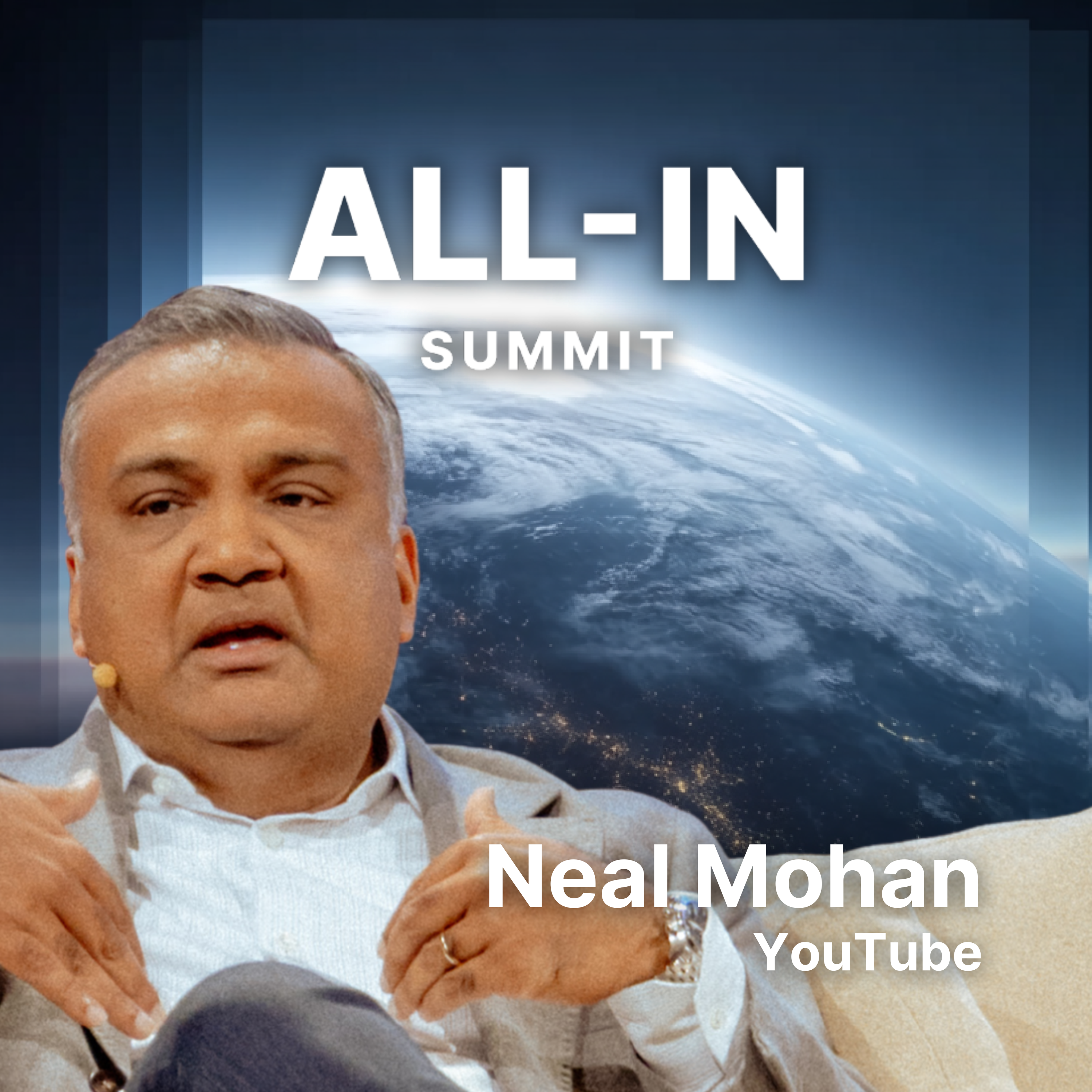
Neal Mohan defends YouTube's revenue split by positioning it as a model where creators bet on their own growth, contrasting with traditional media's upfront payments. For top creators who self-monetize, he frames this as a flexible choice, not a platform weakness, allowing them to select the model that best suits their business.
Avoid building your primary content presence on platforms like Medium or Quora. These platforms inevitably shift focus from serving users to serving advertisers and their own bottom line, ultimately degrading reach and control for creators. Use them as spokes, but always own your central content hub.
