Get your free personalized podcast brief
We scan new podcasts and send you the top 5 insights daily.
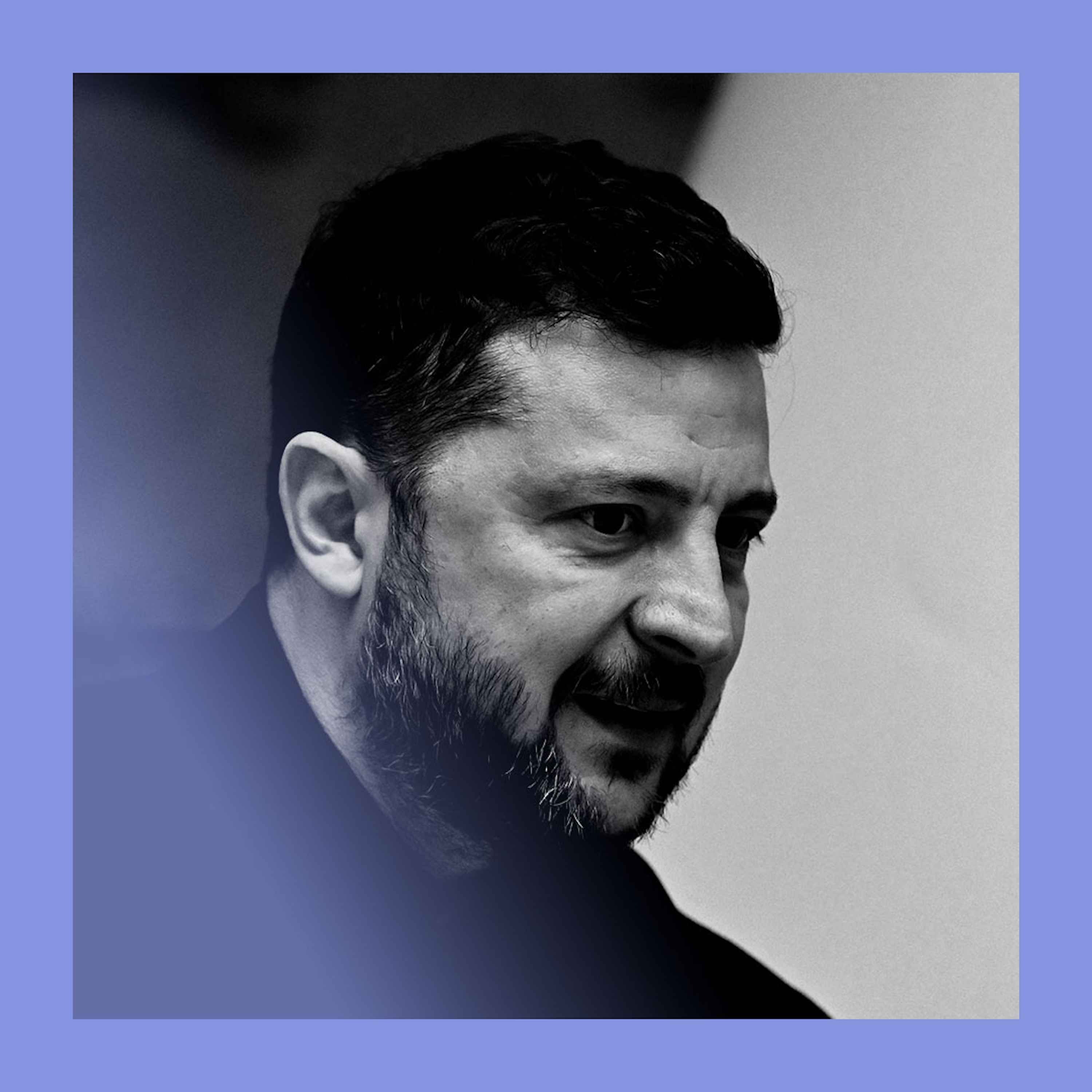
President Zelenskyy faces a dual crisis: escalating Russian attacks and internal political dissent from a recently dismissed, formerly loyal defense minister. This internal challenge, a problem of Zelenskyy's own making, signifies a shrinking inner circle and introduces political instability when national unity is most critical.
Related Insights
Despite military momentum against Russia, Ukrainian society is fracturing internally. Public discontent is not primarily driven by war exhaustion but by a growing distrust of institutions, elite corruption scandals implicating the presidency, and perceived injustices in military conscription policies.

A key tension exists within Ukraine's leadership regarding long-term strategy. One camp believes a longer war degrades Russia's economy and allows Ukraine's defense industry to integrate with Europe. The opposing view is that a prolonged conflict disproportionately damages Ukraine's own critical infrastructure first.
The initial unity of Ukrainian society has eroded after years of war. Deep divisions are emerging between those who stayed versus those who fled, and those who fought versus those who did not. These fractures will likely be exploited politically and complicate post-war nation-building.
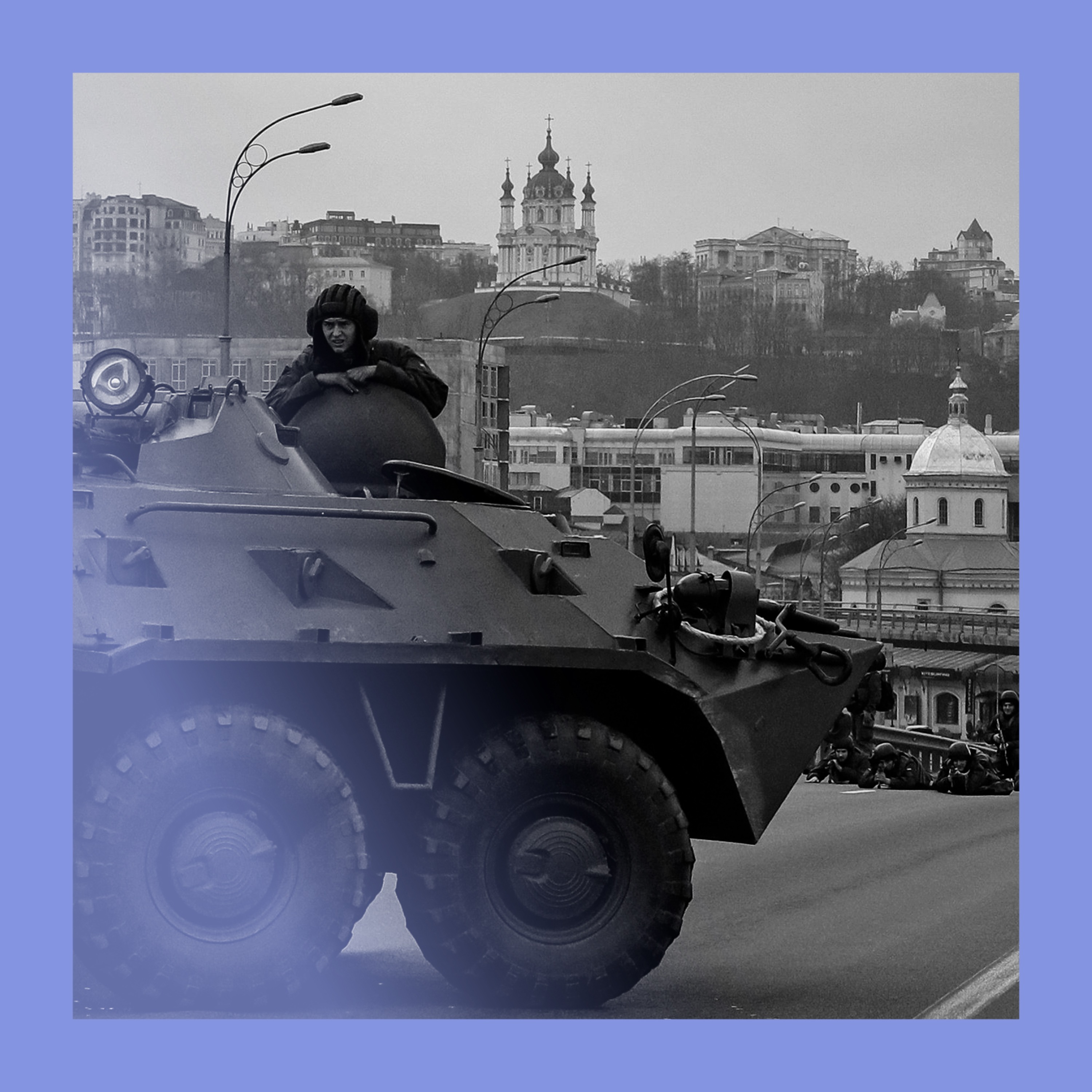
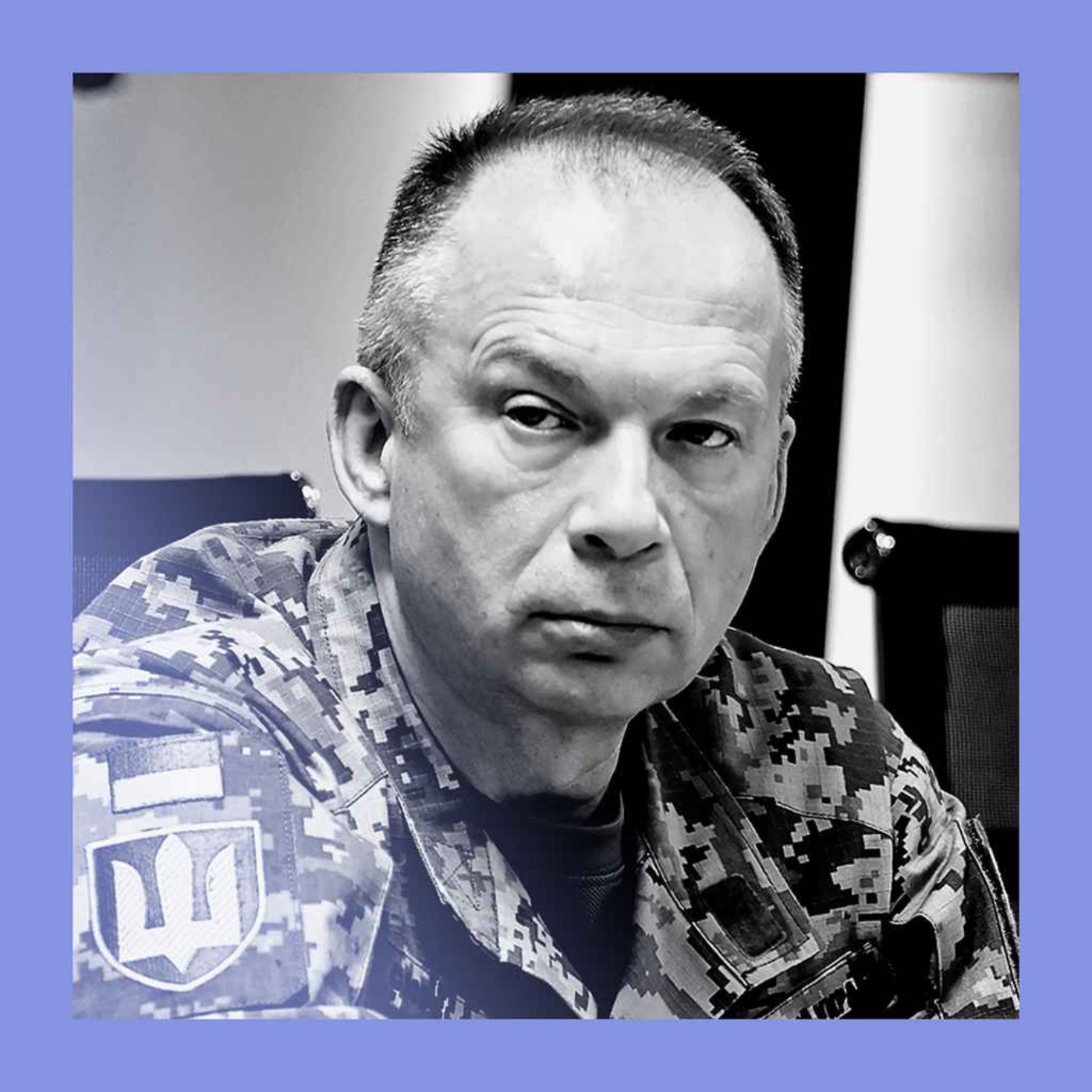
The dismissal of Ukraine's top general, Alexander Sersky, stemmed from a deep "culture clash" between his Soviet-style, high-casualty tactics and the tech-driven, reformist approach of the now-fired Defense Minister, Mihalo Fedorov. This internal conflict reveals a crucial struggle over the military's very ethos, separate from external wartime pressures.
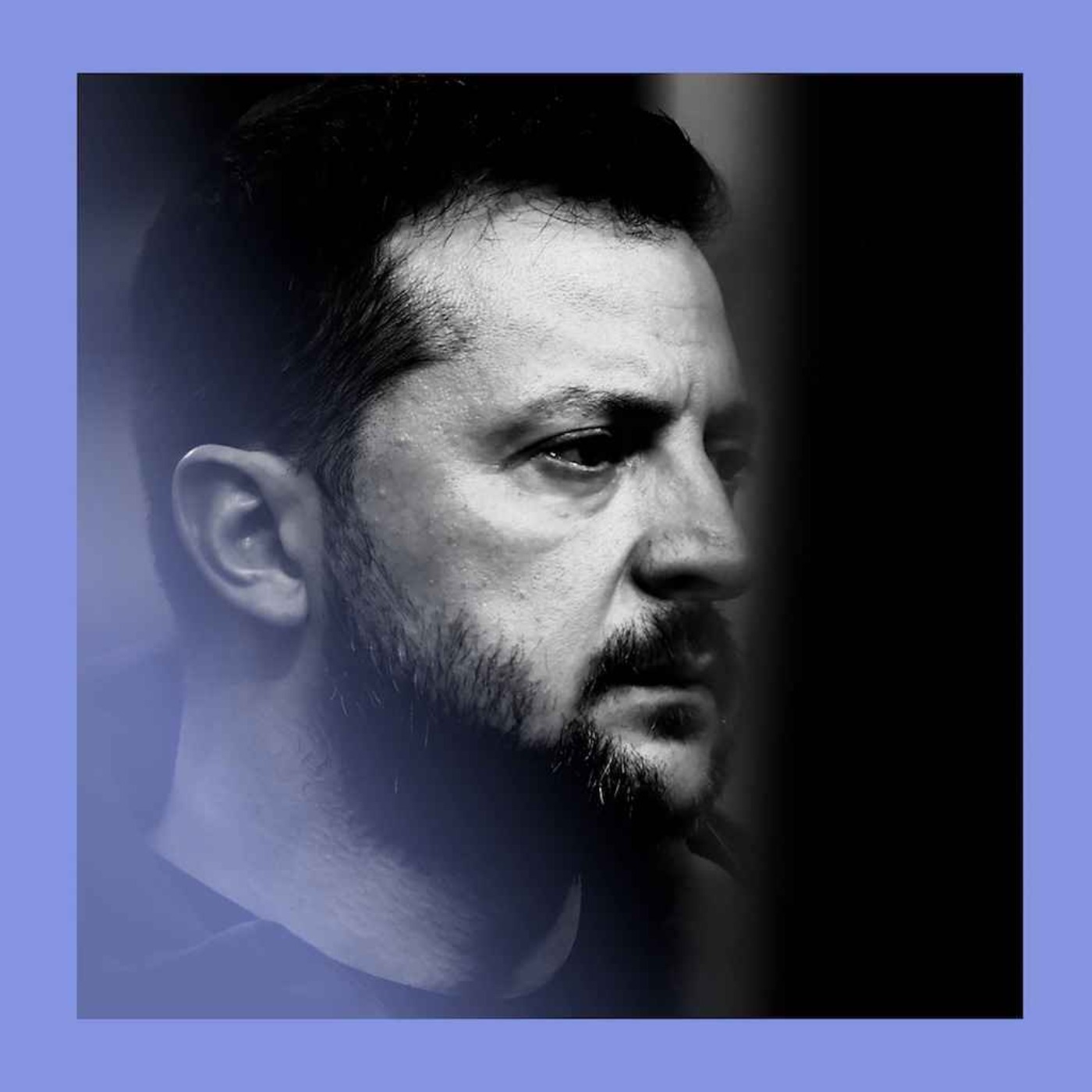
In Ukraine's corruption scandal, pressure is mounting on President Zelenskyy to fire his powerful, unelected chief of staff, Andrei Yermak. This highlights how such "gatekeeper" advisors can become political liabilities and scapegoats, embodying systemic issues and absorbing public anger meant for the administration.
The removal of Ukraine's defense minister may reflect a deeper strategic debate. Established military leaders are pushing back against a "gamified" approach where tactical units chase high-value targets for points. They advocate for a more traditional strategy where strikes are explicitly tied to achieving larger, defined military objectives.

When the investigation reached the President's inner circle, the government machine mobilized against the anti-corruption bodies. Ukraine's security services arrested several detectives involved in the probe, accusing them of collaborating with Russia. This tactic attempts to reframe a legitimate investigation as a threat to national security.
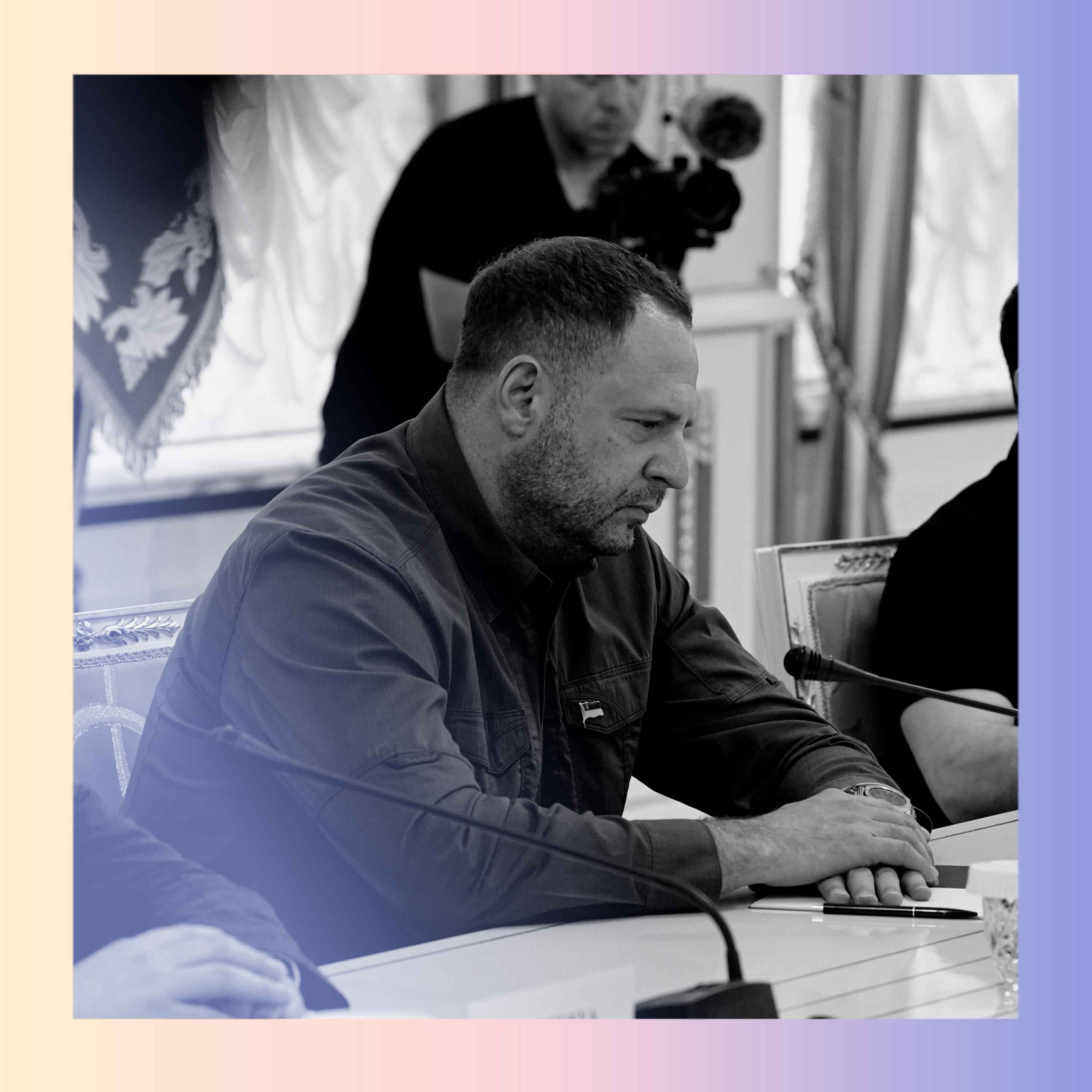
A peace plan, largely drafted without Ukrainian input and containing unfavorable terms, has emerged just as President Zelenskyy's government faces its biggest corruption crisis. This timing suggests the US may be using Ukraine's internal turmoil to push for otherwise unacceptable concessions.
An obsessive focus on internal political battles creates a critical geopolitical vulnerability. While a nation tears itself apart with divisive rhetoric, strategic adversaries like China benefit from the distraction and internal weakening. This domestic infighting accelerates the erosion of the nation's global influence and power.
President Zelensky politically miscalculated by firing his popular, reformist defense minister. The move sparked public outrage and street protests, which gave the ousted minister leverage. This ultimately forced Zelensky to also fire his top general, bruising the president's political judgment and authority in the eyes of allies and citizens.