Get your free personalized podcast brief
We scan new podcasts and send you the top 5 insights daily.
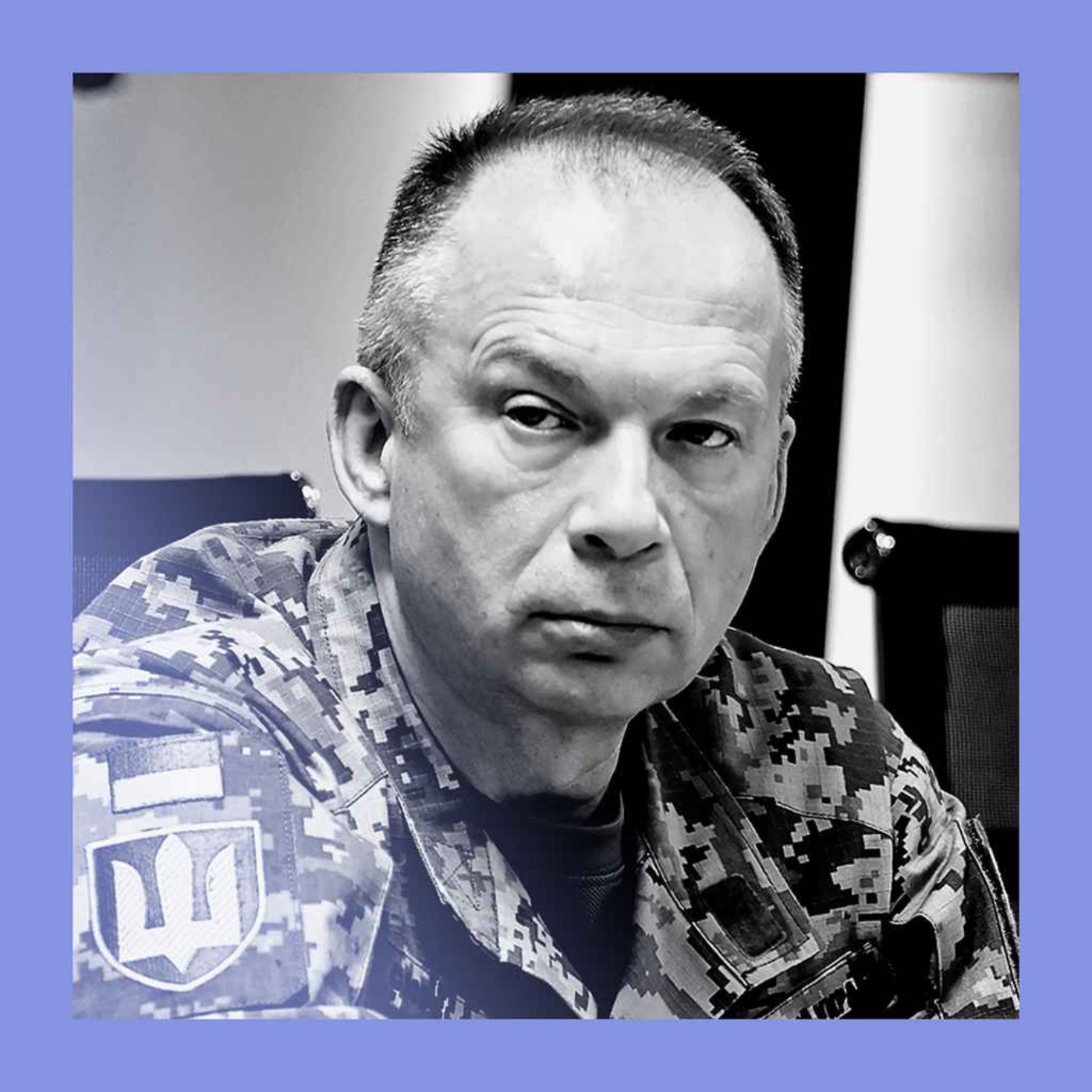
The dismissal of Ukraine's top general, Alexander Sersky, stemmed from a deep "culture clash" between his Soviet-style, high-casualty tactics and the tech-driven, reformist approach of the now-fired Defense Minister, Mihalo Fedorov. This internal conflict reveals a crucial struggle over the military's very ethos, separate from external wartime pressures.
Related Insights
Despite military momentum against Russia, Ukrainian society is fracturing internally. Public discontent is not primarily driven by war exhaustion but by a growing distrust of institutions, elite corruption scandals implicating the presidency, and perceived injustices in military conscription policies.

A key tension exists within Ukraine's leadership regarding long-term strategy. One camp believes a longer war degrades Russia's economy and allows Ukraine's defense industry to integrate with Europe. The opposing view is that a prolonged conflict disproportionately damages Ukraine's own critical infrastructure first.
Ukraine is demonstrating a new paradigm of warfare where innovating faster than the enemy can lie is paramount. They are effectively weaponizing consumer technology like drones, proving that a motivated populace can outmaneuver a corrupt, technologically stagnant superpower.

The initial unity of Ukrainian society has eroded after years of war. Deep divisions are emerging between those who stayed versus those who fled, and those who fought versus those who did not. These fractures will likely be exploited politically and complicate post-war nation-building.
A reform-minded leader can create ad-hoc teams and force collaboration between operators and technologists. However, these changes are often temporary. Once the leader departs, the military's established cultural norms and organizational structures, like powerful four-star commands, tend to reassert themselves, erasing the progress.

Political figures often focus on superficial issues like beards and physical fitness, which directly conflicts with the professional military's culture. The armed services value deep competence, humility, and character—qualities essential for managing lethal force and complex global operations, regardless of appearance.

A key architect of Ukraine's drone program has pivoted the military's objective away from capturing territory. The new strategy uses drones to target individual Russian soldiers, aiming for a kill rate that exceeds Russia's recruitment rate. This redefines victory as causing a demographic and logistical collapse of the enemy force, rather than controlling land.
Contrary to expectations of a high-tech war, the conflict in Ukraine demonstrates enduring principles of warfare. The superiority of defense over offense, the difficulty of breakthroughs without air power, and the tendency toward attrition are all classic lessons that would be recognizable to strategists from past major conflicts.
With the goal of retaking all territory now unrealistic, Ukraine's military command has adopted a new strategy: inflict such high monthly casualties on Russian forces (40-50k) that Putin cannot sustain recruitment levels, ultimately forcing him to seek a ceasefire due to domestic pressure.

President Zelensky politically miscalculated by firing his popular, reformist defense minister. The move sparked public outrage and street protests, which gave the ousted minister leverage. This ultimately forced Zelensky to also fire his top general, bruising the president's political judgment and authority in the eyes of allies and citizens.