Get your free personalized podcast brief
We scan new podcasts and send you the top 5 insights daily.
Despite military momentum against Russia, Ukrainian society is fracturing internally. Public discontent is not primarily driven by war exhaustion but by a growing distrust of institutions, elite corruption scandals implicating the presidency, and perceived injustices in military conscription policies.

Related Insights
A key tension exists within Ukraine's leadership regarding long-term strategy. One camp believes a longer war degrades Russia's economy and allows Ukraine's defense industry to integrate with Europe. The opposing view is that a prolonged conflict disproportionately damages Ukraine's own critical infrastructure first.
The conflict is not just regional but a proxy war between two ideologies: Western democracies versus an alliance of totalitarian states (Russia, Iran, North Korea, China). Non-aligned nations like India and Brazil are watching to see which system proves more resilient before choosing a side.

The initial unity of Ukrainian society has eroded after years of war. Deep divisions are emerging between those who stayed versus those who fled, and those who fought versus those who did not. These fractures will likely be exploited politically and complicate post-war nation-building.
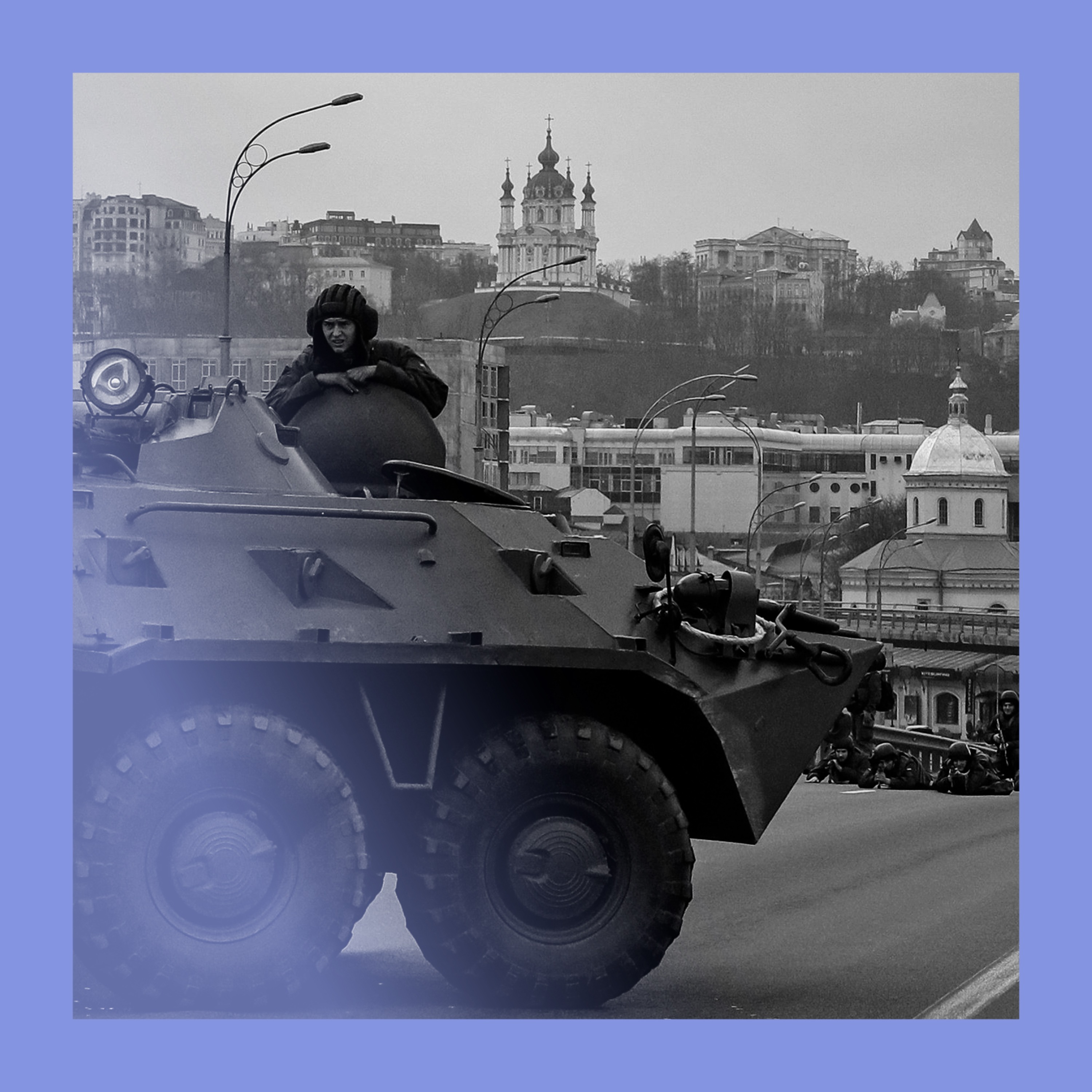
Persistent diplomatic efforts and speculation about a looming end to the war have a detrimental effect on the Ukrainian military. This creates uncertainty that discourages enlistment and harms morale, as potential recruits question the need to join a conflict that might soon be settled by external powers.

In Ukraine's corruption scandal, pressure is mounting on President Zelenskyy to fire his powerful, unelected chief of staff, Andrei Yermak. This highlights how such "gatekeeper" advisors can become political liabilities and scapegoats, embodying systemic issues and absorbing public anger meant for the administration.
A peace plan, largely drafted without Ukrainian input and containing unfavorable terms, has emerged just as President Zelenskyy's government faces its biggest corruption crisis. This timing suggests the US may be using Ukraine's internal turmoil to push for otherwise unacceptable concessions.
Beneath the official government narrative of resilience and total victory, a significant portion (40%) of the Ukrainian population is tired of the war and now open to a compromise to end the fighting, revealing significant war fatigue.
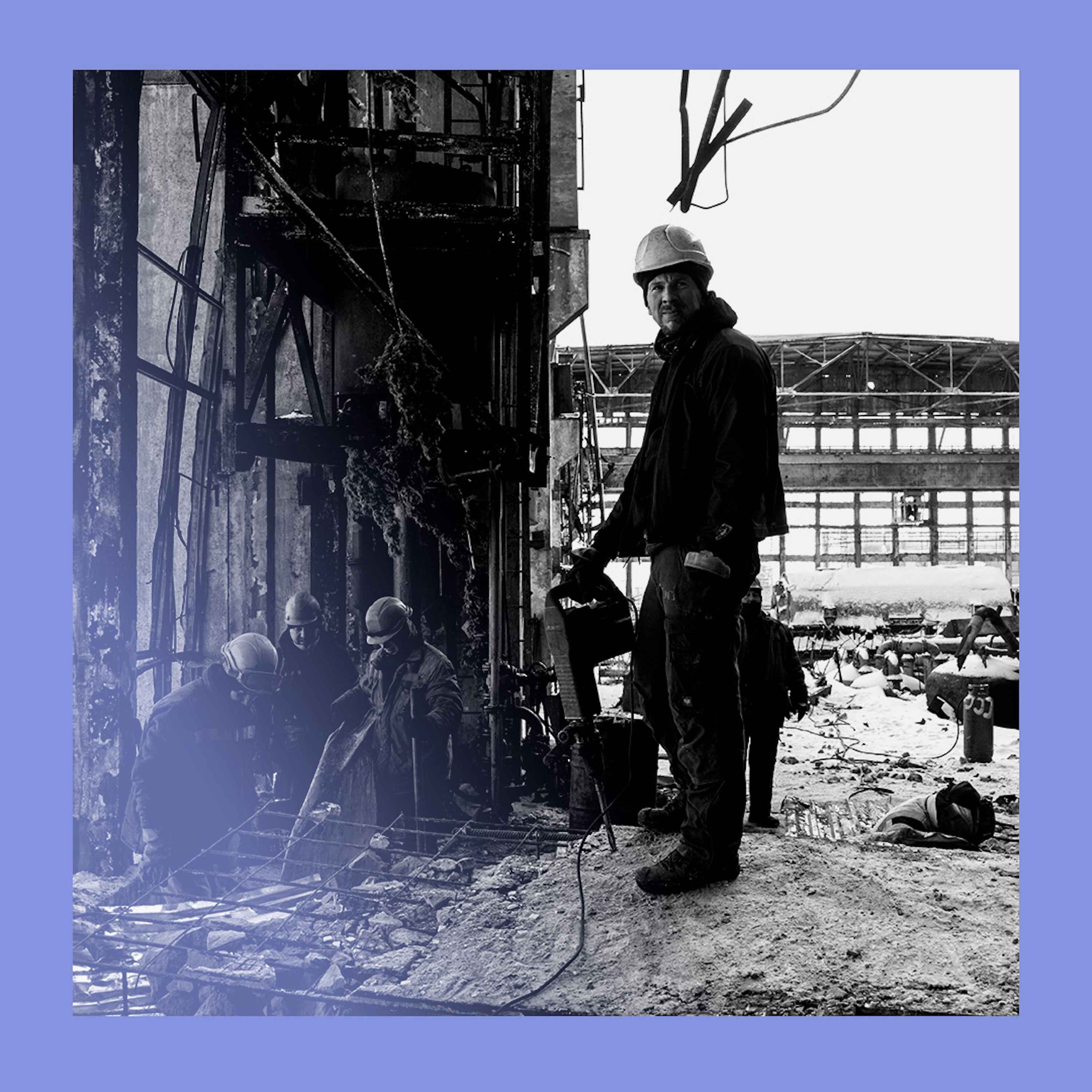
Russia's information warfare is less about creating new narratives and more about identifying and exacerbating existing societal fissures. By amplifying local opposition to a new military base, for instance, they frame a legitimate debate as a conflict between citizens and a corrupt state, thereby eroding trust and national unity from within.
The idea that Ukraine must accept a peace deal because the war is "unwinnable" is a flawed narrative that mirrors Russian propaganda. This perspective overlooks Russia's massive daily casualties and straining wartime economy. The war is unsustainable, but arguably more so for Russia than for Ukraine.

With the goal of retaking all territory now unrealistic, Ukraine's military command has adopted a new strategy: inflict such high monthly casualties on Russian forces (40-50k) that Putin cannot sustain recruitment levels, ultimately forcing him to seek a ceasefire due to domestic pressure.