Get your free personalized podcast brief
We scan new podcasts and send you the top 5 insights daily.
NOX Metals accelerates development by having software engineers work directly on the factory floor, not in a separate office. They write code next to the machines they're optimizing, allowing them to observe technicians and get immediate feedback to translate physical problems into software solutions.
Related Insights
Embed engineers directly with customers to hear feedback and ship solutions, often on the same day. This radical structure eliminates layers of communication (Product Managers, Customer Success) and scales the 'founder energy' of talking to users and immediately building what they need.

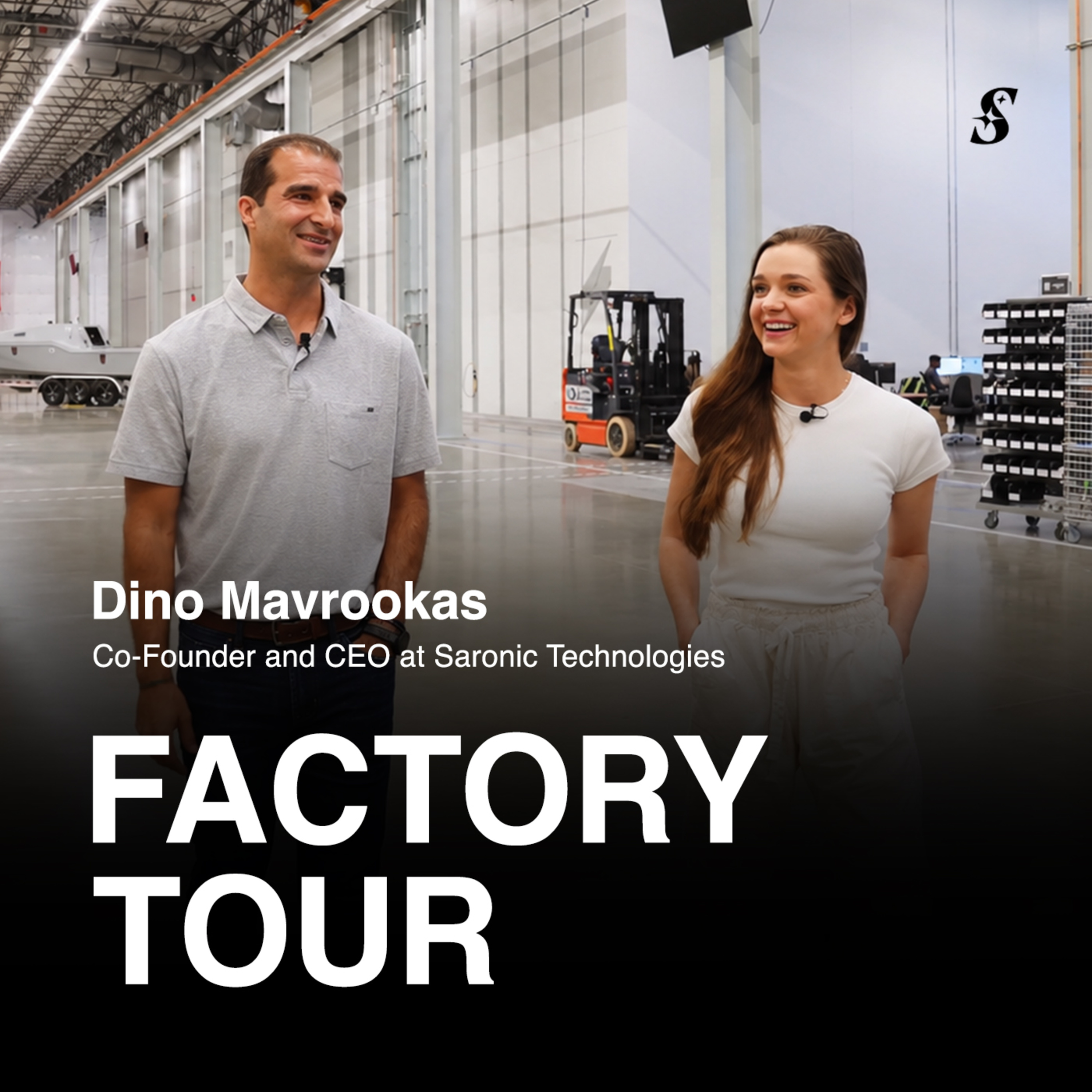
Saronic physically co-locates engineers with its production line, ensuring hardware designers can immediately solve problems that arise during manufacturing. This tight feedback loop, inspired by Tesla, eliminates the integration failures that commonly plague complex hardware projects combining hardware and software.
Impulse Space accelerates development by being 'extremely vertically integrated.' Co-locating the machine shop, assembly areas, and a test area enables a tight 'build, assemble, test' loop, allowing the team to iterate on hardware designs with maximum speed.

Unlike companies viewing field teams as a cost center, Peregrine considers its 'Forward Deployed' strategists its core R&D engine. 'Hacky,' unscalable solutions they build on-site to solve immediate customer problems provide the best signal for what the core platform needs, creating a rapid, customer-driven prototyping loop.

The conventional software feedback loop is 'can I sell it?' Palantir's forward deployed engineers use a stronger loop: 'did it deliver the outcome?' This requires embedding obsessive, technical problem-solvers on the factory floor or in the foxhole to continuously solve backward and generalize learnings into the product.
![Shyam Sankar - Celebrating Heretics - [Invest Like the Best, EP.462] thumbnail](https://megaphone.imgix.net/podcasts/9dee904c-1bbf-11f1-a1a6-0b200fdaa525/image/57910f03f82ede99259c53f5e5404f6a.jpg?ixlib=rails-4.3.1&max-w=3000&max-h=3000&fit=crop&auto=format,compress)
Serval hires 'future founder' types as Forward Deployed Engineers (FDEs). Their primary function isn't just implementation but to replicate the early-stage founder motion: directly interacting with customers, identifying pain points, and channeling that feedback immediately into product improvements, thus scaling the founder-led feedback loop.

Boom Supersonic accelerates development by manufacturing its own parts. This shrinks the iteration cycle for a component like a turbine blade from 6-9 months (via an external supplier) to just 24 hours. This rapid feedback loop liberates engineers from "analysis paralysis" and allows them to move faster.

Neros seats its mechanical engineering, manufacturing, and supply chain teams directly next to the production line. This close physical proximity ensures constant communication and collaboration, preventing a common failure mode where products are designed in a silo without considering manufacturability and then "thrown over the fence" to production.
At American Housing Corp, engineers who design components also manufacture them in the factory and assemble them in the field. This forces them to experience the "pain" of their design decisions firsthand, creating a rapid, visceral feedback loop that leads to faster and more effective product improvements.

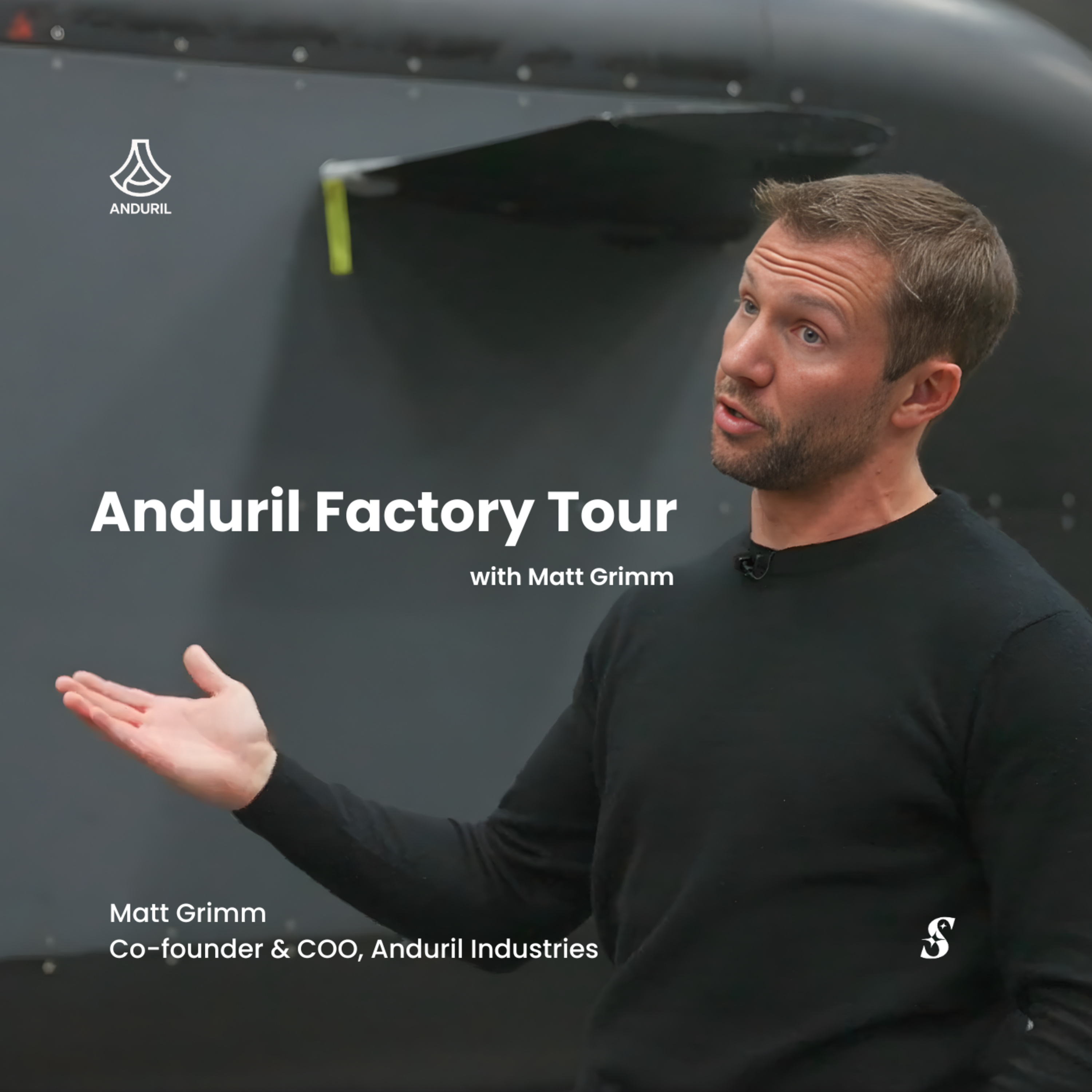
Anduril's R&D building houses machine shops, labs, and a 'dev test area' designed specifically to break products. By putting engineers across the parking lot from facilities that can rapidly prototype and test for failures (e.g., saltwater corrosion, vibration), they create an extremely tight feedback loop, speeding up iteration.