Get your free personalized podcast brief
We scan new podcasts and send you the top 5 insights daily.
Working for a founder who understands marketing (e.g., a former CMO) creates a high-trust environment. This empowers marketing teams to invest in long-term brand building and creative initiatives that are notoriously hard to attribute, without being handcuffed by demands to prove the ROI of every dollar spent.

Related Insights
Instead of justifying brand building as a defense against AI-driven commoditization, frame it as an offensive move that builds long-term value. A strong brand shortens sales cycles and increases customer lifetime value, directly impacting revenue and making it a proactive investment that resonates with CEOs and CFOs.

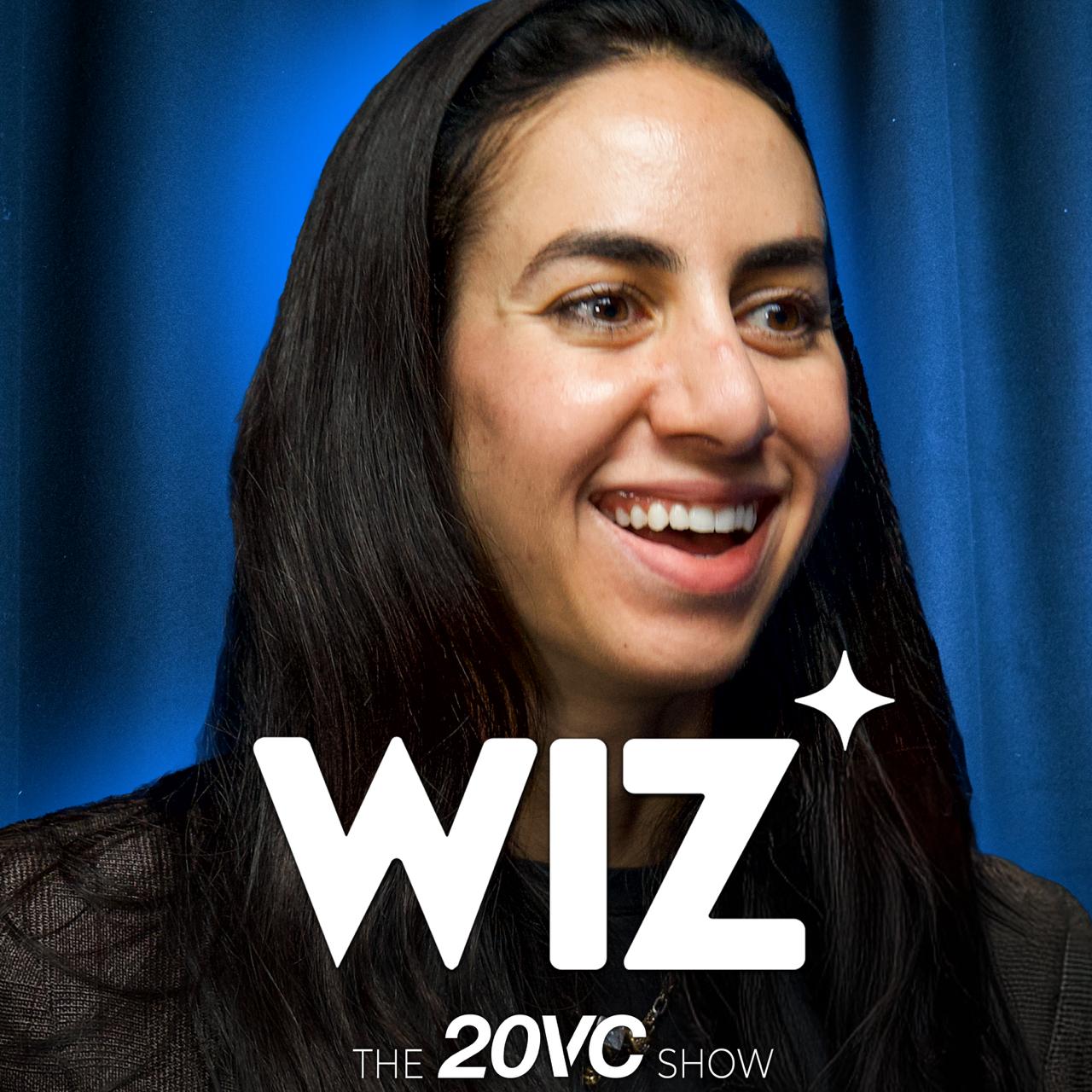
Coming from product, Wiz's CMO sees marketing as liberatingly low-risk. A bad product feature creates permanent technical debt and maintenance costs. In contrast, a failed marketing campaign can be stopped instantly with no lasting negative impact, which encourages creative and unconventional experiments.
The marketing playbook has shifted from promoting products to promoting the personality behind them (e.g., Tesla is Elon Musk). A company without a founder or CEO who can act as a public "character" struggles to gain traction, as corporate messaging accounts are no longer effective in a noisy media environment.

The nature of marketing has shifted from promoting a faceless corporation to showcasing an authentic founder personality. Companies without an interesting character at the helm are at a disadvantage. This requires leaders to be public figures, as their personal brand, story, and voice are now integral to the company's identity and success.

When a founder or leader builds a personal brand (e.g., through LinkedIn content), they create a "halo effect." Potential customers in sales meetings already feel a connection, recognizing the person from their content. This pre-establishes a modicum of trust, making it far more likely the deal will be won.

Instead of hiring for the trendy "storyteller" role, companies should recognize founders are the most potent narrators. Focus resources on creating a single, memorable marketing campaign rather than a constant stream of low-impact content to truly break through the noise.

The most impactful marketers adopt a founder's mindset by constantly asking if their decisions align with the CEO or CFO's perspective on profitable growth. This leads to creating "boring" — repeatable and consistent — systems, rather than chasing new, shiny projects every quarter.
When interviewing, ask founders about their perspective on long-term brand investments versus short-term pipeline goals. Their answer reveals if they understand marketing's true value beyond being a sales support function, indicating the strategic role you'll be allowed to play.
AI enables smaller, more efficient teams, shifting the ideal CMO profile. Founders now prefer marketing leaders who are hands-on brand builders and storytellers over those who are primarily large-scale people managers. The "CMO with a team of 5-15 plus AI and agencies" is the new model.
In a product-led world, the B2B concept of 'founder-led sales' evolves into 'founder-led marketing.' Founders must deeply own the brand's narrative. This means personally onboarding key influencers and being the first to learn how to tell the story broadly, ensuring the message is right before scaling the function.