Get your free personalized podcast brief
We scan new podcasts and send you the top 5 insights daily.
When you are insulted, onlookers look to your reaction to determine if the insult is true. Responding with laughter or nonchalance signals that the attack has no merit, effectively invalidating it. An emotional or defensive reaction, however, can give the insult credibility.

Related Insights
Based on the physics principle that Pressure = Force / Area, you can relieve the pressure of an attack without changing the force. Reframe the attack from being on you personally to being on a larger group or ideal you represent ('You're not just attacking me, you're attacking all of us').

When receiving harsh feedback, avoid a defensive posture by mentally reframing the interaction. Instead of seeing it as a personal attack across a table, visualize both of you on the same side, collaborating on a problem written on a whiteboard. This shifts the focus to the idea, not the person.

When facing a viewpoint you find incorrect, the instinct is to correct the facts. A better approach is to first validate the person's emotion ("It makes sense you feel X about Y"). This makes them feel heard and safe, preventing defensiveness before you present your own perspective.

To maintain mental health amidst public scrutiny, one should recognize that the audience is not as focused on your perceived failure as you are. While a negative event may feel mortifying and career-defining to you, the public moves on. This perspective helps depersonalize attacks and reduce their long-term psychological impact.

Overcome the fear of negative feedback by reframing it. A person leaving a hateful comment is likely deeply unhappy. Instead of feeling attacked, feel pity for their state of mind. This psychological shift neutralizes the comment's emotional power over you.

People are more willing to accept and incorporate feedback about traits they see as secondary, like being "well-spoken" or "witty." Tying feedback to core identity traits, such as kindness or integrity, is more likely to be perceived as a threat and trigger a defensive response.
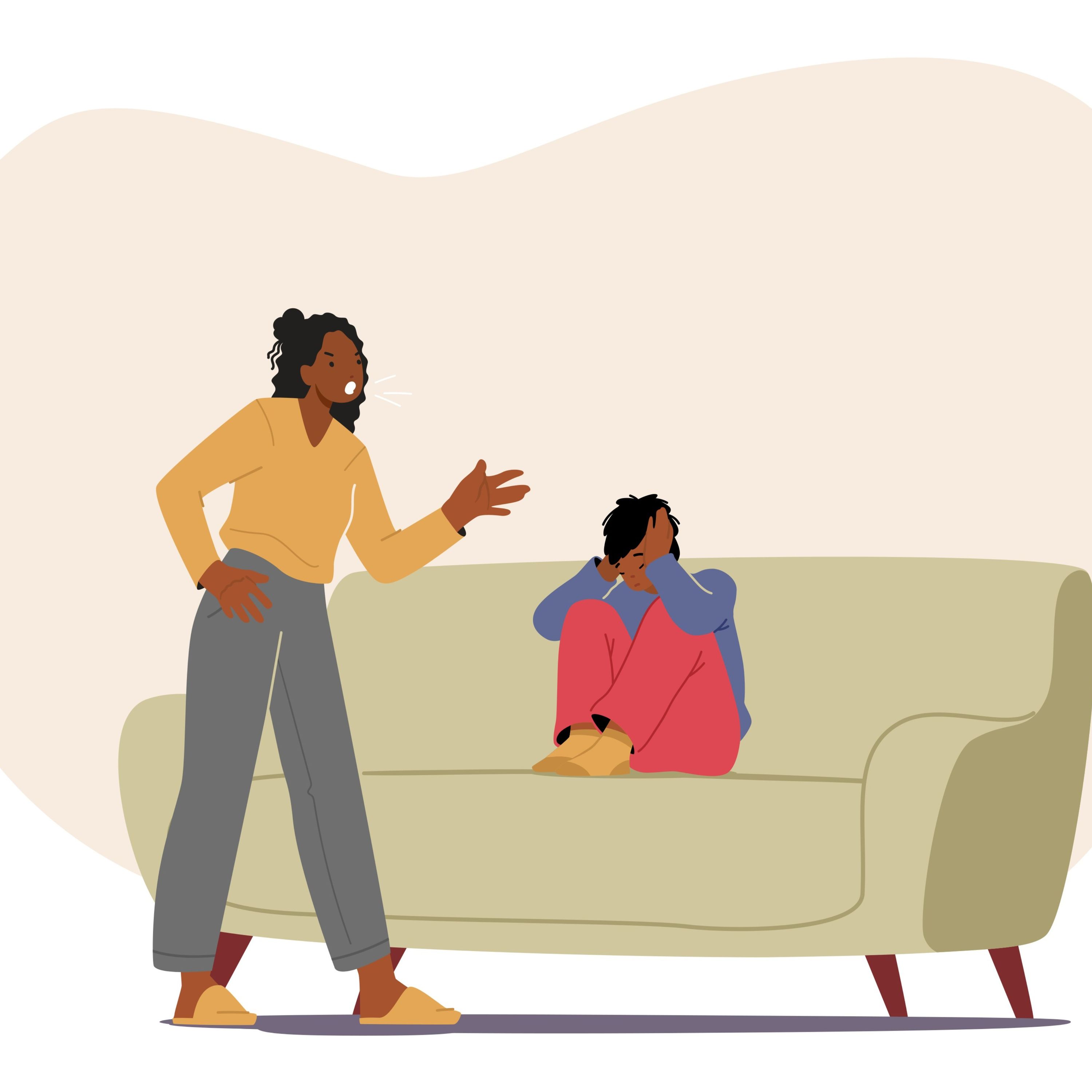
When insulted, don't react immediately. First, hold an uncomfortable 5-7 seconds of silence, allowing their words to echo. Then, ask them to repeat what they said. This combination forces self-reflection and often causes them to back down without you needing to be defensive.
Defensiveness arises because our brain's self-relevance and value systems are intertwined. Feedback threatening a specific action (e.g., "you're a risky driver") is often interpreted as a threat to our core identity ("I'm a bad person"), triggering a strong protective response.
Maintaining emotional composure is a strategic necessity. If an antagonist insults you and you insult them back, you have fallen into their trap, lost sight of your purpose, and ceded control of the interaction.

To slow down a heated or fast-paced conversation, avoid telling the other person to calm down. Instead, validate their emotional state by acknowledging it directly, e.g., 'I hear you have a lot of passion here.' This meta-commentary creates space and can de-escalate the intensity without being confrontational.