Get your free personalized podcast brief
We scan new podcasts and send you the top 5 insights daily.
Based on the physics principle that Pressure = Force / Area, you can relieve the pressure of an attack without changing the force. Reframe the attack from being on you personally to being on a larger group or ideal you represent ('You're not just attacking me, you're attacking all of us').

Related Insights
To give difficult feedback, use the Situation-Behavior-Impact (SBI) model. Instead of making accusations, state the situation, the specific behavior, and crucially, the impact it had on you. This approach prevents triggering a defensive, fight-or-flight response in the recipient.

Instead of waiting to be attacked for your weaknesses, preemptively address them yourself. By owning or diffusing the negative points first, you disarm your opponent, leaving them with nothing to say. This 'prebuttal' strategy seizes the narrative advantage by controlling the initial framing.
When receiving harsh feedback, avoid a defensive posture by mentally reframing the interaction. Instead of seeing it as a personal attack across a table, visualize both of you on the same side, collaborating on a problem written on a whiteboard. This shifts the focus to the idea, not the person.

While any sense of purpose can help buffer against criticism, values that connect you to a larger whole (community, humanity) are particularly effective. Research shows these self-transcendent values lower reactivity in brain regions that track threats when receiving challenging feedback.
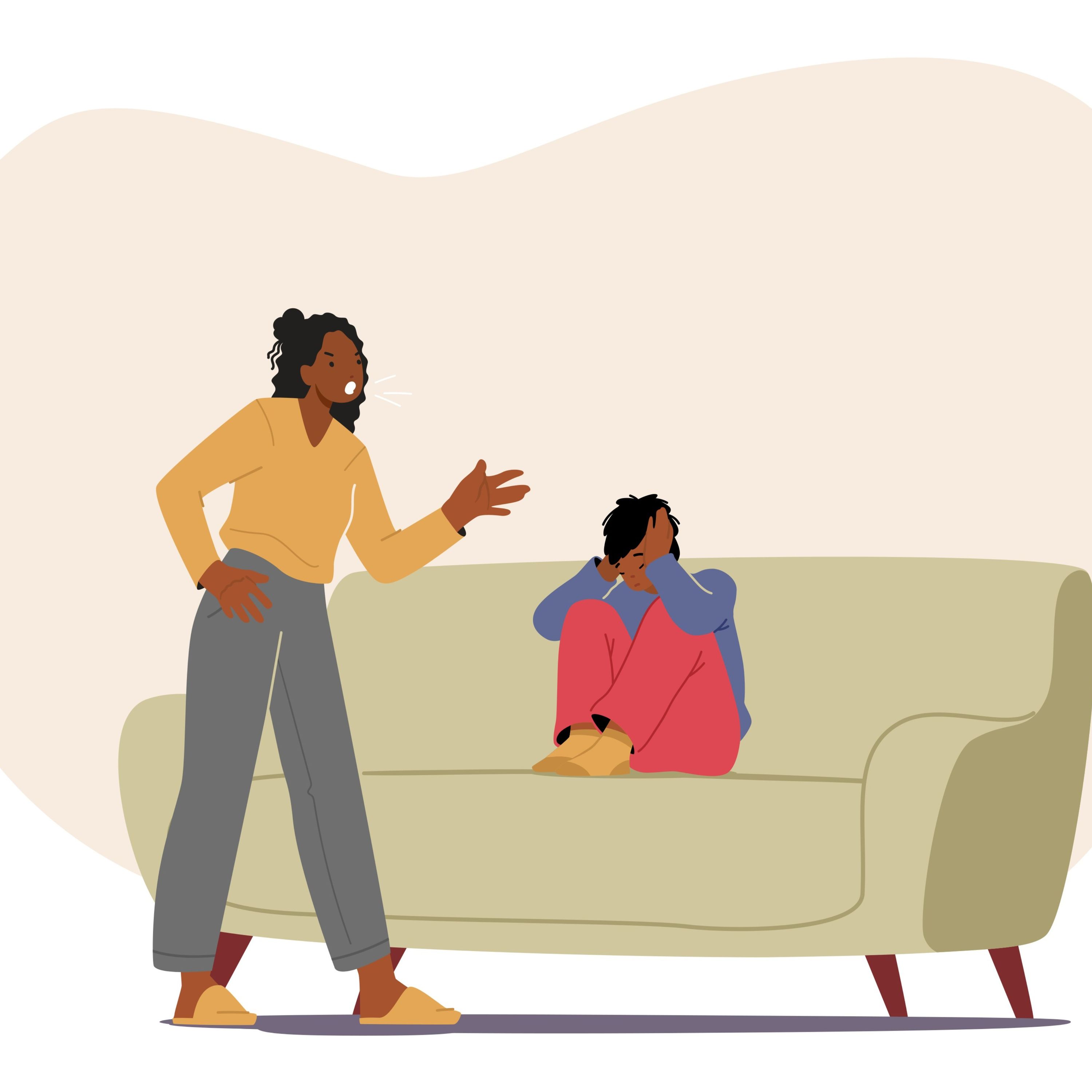
To defuse conflict, frame your perspective as a personal narrative rather than objective fact. This linguistic tool signals vulnerability and invites dialogue by acknowledging your story could be wrong, preventing the other person's brain from defaulting to a defensive, "fight or flight" response.

View objections not as personal attacks but as impersonal feedback, like bowling pins left standing. They reveal flaws in your approach's angle or force. This shift allows you to analyze the situation objectively, adjust your strategy, and try again with a different approach rather than becoming emotionally derailed.

Overcome the fear of negative feedback by reframing it. A person leaving a hateful comment is likely deeply unhappy. Instead of feeling attacked, feel pity for their state of mind. This psychological shift neutralizes the comment's emotional power over you.

People are more willing to accept and incorporate feedback about traits they see as secondary, like being "well-spoken" or "witty." Tying feedback to core identity traits, such as kindness or integrity, is more likely to be perceived as a threat and trigger a defensive response.
Based on a Zen story, "eating the blame" involves proactively apologizing for your part in a conflict, even when you feel your partner is more at fault. This emotionally counter-intuitive act breaks the cycle of defensiveness and creates space for resolution, making it a highly agentic move.

To slow down a heated or fast-paced conversation, avoid telling the other person to calm down. Instead, validate their emotional state by acknowledging it directly, e.g., 'I hear you have a lot of passion here.' This meta-commentary creates space and can de-escalate the intensity without being confrontational.