Get your free personalized podcast brief
We scan new podcasts and send you the top 5 insights daily.
Pritzker says Illinois must stay 'somewhere in the ballpark' on incentives or companies won't even consider it. Instead of only writing checks, he offers a concierge to walk companies through permits, which he says cuts bureaucracy without lowering standards and protects state revenue. He says states are competing whether they like it or not.

Related Insights
Arizona's support for TSMC's fab construction involved the governor's office mediating labor disputes over basic amenities like refrigerators and porta-potties. This demonstrates that executing grand industrial strategy relies on solving small, practical, on-the-ground problems for workers.
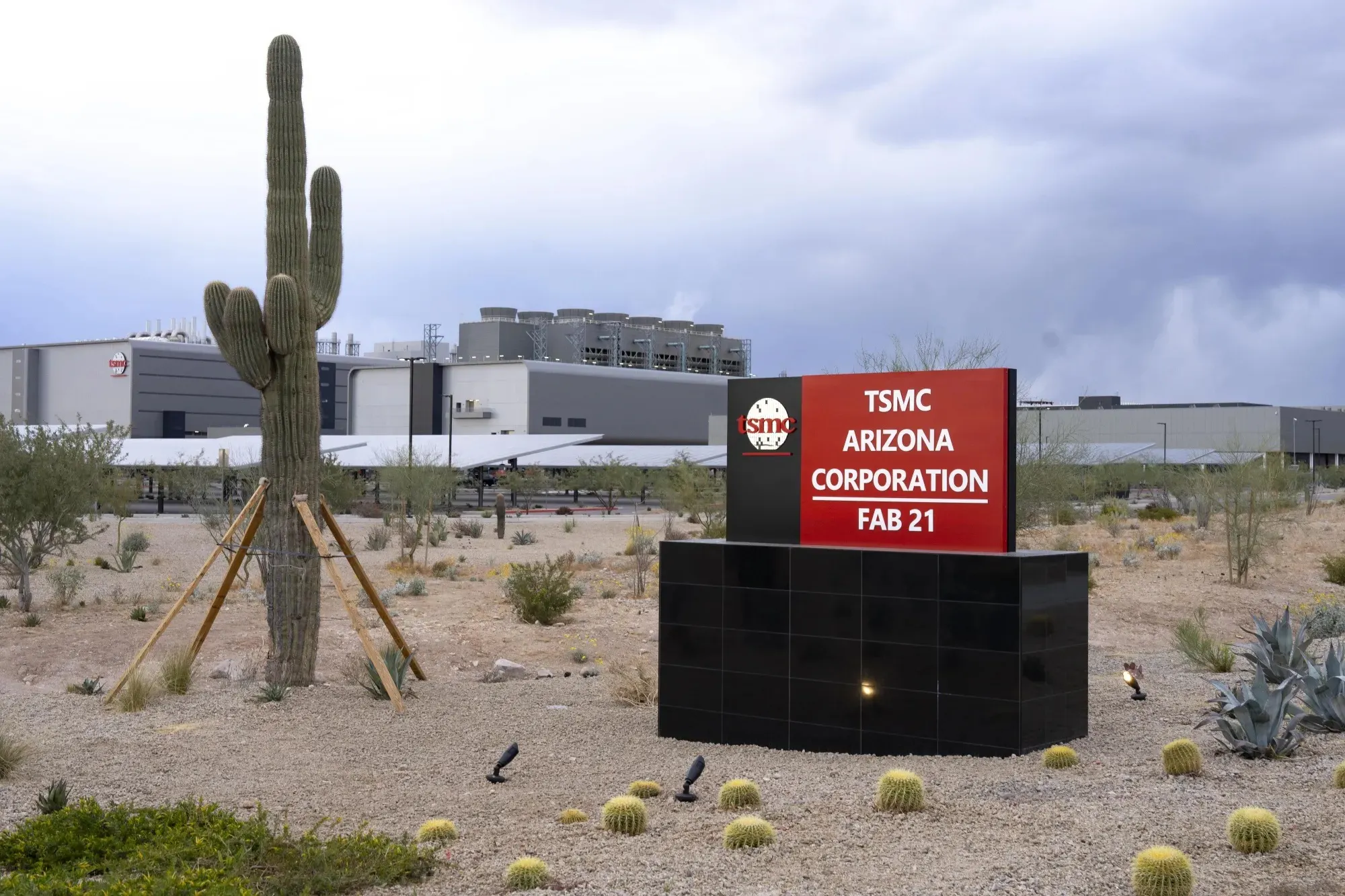
Contrary to popular belief, the success of semiconductor industries in Taiwan and Korea isn't primarily due to massive government subsidies. Instead, their governments excel at creating an extremely stable and predictable business environment with streamlined permitting and minimal regulatory friction, which is more critical for long-term, capital-intensive projects.

Effective US industrial policy should foster competition among states rather than imposing top-down federal plans. By offering federal loans with equity kickers to states that opt-in to host critical industries like mining or chip fabs, the government can incentivize reshoring while allowing for a market-driven, locally-supported approach.
Requiring developers to negotiate deals town by town creates immense power imbalances that fuel local political backlashes. Elevating negotiations to the state level allows governors' offices to set baseline terms for acceptable impact and compensation, saving developer resources and preventing inexperienced local officials from signing disadvantageous agreements.

Overly complex government websites and processes act as a direct impediment to new business formation. The speaker recounts his wife, a small business owner, being unable to set up her business properly even with help from a VC and a bookkeeper, illustrating how bureaucracy actively discourages entrepreneurship.

For manufacturing startups, factory location is a critical strategic decision. They should prioritize states where local governments actively partner with them to expedite permits, guarantee power, and assist with hiring, avoiding regulatory bottlenecks found elsewhere.

Early-stage startups are highly mobile and can choose where to plant their roots, forcing cities and states into competition. If a region imposes burdensome regulations, such as extra rules on AI, founders will simply choose to build their company in a more favorable environment. Attracting startups is an active choice.

Pritzker says he wrote a script flattering Trump before asking for 2 million N95 masks and 4,000 ventilators during COVID. He says Trump promised but never delivered, forcing Illinois to compete with other states and improvise emergency procurement. He kept the script and says the episode proved hiring mattered.
To reduce friction for new businesses, Arizona's commerce authority consolidates permitting. Instead of a company bouncing between transportation, wildlife, and historical agencies, the state coordinates internally, offering a simplified 'one-stop shop' that serves as a key competitive advantage.
California's lengthy and uncertain approval process cost it a $3.2B defense shipyard project and 10,000 jobs. Texas won the deal by providing a "clear expedited approval process" and tax incentives. This demonstrates that for large industrial investments, regulatory speed and certainty can be a more powerful competitive advantage than a state's existing economic base.