Get your free personalized podcast brief
We scan new podcasts and send you the top 5 insights daily.
California's lengthy and uncertain approval process cost it a $3.2B defense shipyard project and 10,000 jobs. Texas won the deal by providing a "clear expedited approval process" and tax incentives. This demonstrates that for large industrial investments, regulatory speed and certainty can be a more powerful competitive advantage than a state's existing economic base.

Related Insights
Adam Carolla argues that the time and expense of navigating regulations, like those from California's Coastal Commission, are so prohibitive that many people simply give up on building projects altogether, even on their own property. The bureaucratic friction outweighs the desire to build.

Contrary to popular belief, the success of semiconductor industries in Taiwan and Korea isn't primarily due to massive government subsidies. Instead, their governments excel at creating an extremely stable and predictable business environment with streamlined permitting and minimal regulatory friction, which is more critical for long-term, capital-intensive projects.

Effective US industrial policy should foster competition among states rather than imposing top-down federal plans. By offering federal loans with equity kickers to states that opt-in to host critical industries like mining or chip fabs, the government can incentivize reshoring while allowing for a market-driven, locally-supported approach.

For manufacturing startups, factory location is a critical strategic decision. They should prioritize states where local governments actively partner with them to expedite permits, guarantee power, and assist with hiring, avoiding regulatory bottlenecks found elsewhere.

America's slow permitting process and "Not In My Backyard" (NIMBY) culture create a critical bottleneck for essential energy and tech infrastructure. Contrasted with China's rapid development, this inability to build becomes a strategic disadvantage, threatening US innovation, economic growth, and global competitiveness.
![John Arnold - China, Energy Markets and Fixing America's Systems - [Invest Like the Best, EP.461] thumbnail](https://megaphone.imgix.net/podcasts/8d466670-1755-11f1-baf2-dfb3d97a3978/image/4ec9ac82b5c7a937e9e90aa69d037805.jpg?ixlib=rails-4.3.1&max-w=3000&max-h=3000&fit=crop&auto=format,compress)
China operates as a high-agency "engineering state" that executes relentlessly on large-scale projects. In contrast, America's deliberative, litigious society often leads to endless delays and failures on major infrastructure goals like the California high-speed rail, highlighting a fundamental difference in state capacity and approach.
![Dan Wang - The US vs China In The 21st Century - [Invest Like the Best, EP.444] thumbnail](https://megaphone.imgix.net/podcasts/e1599a88-a9f6-11f0-b532-e3695bb27d60/image/0f5c07552cef2689e5834d56786ad6f1.jpg?ixlib=rails-4.3.1&max-w=3000&max-h=3000&fit=crop&auto=format,compress)
Terraform Industries CEO Casey Handmer challenges the notion that rebuilding critical infrastructure like fuel refineries must take years. He argues that by adopting a focused, high-urgency approach to permitting and construction—a "muscle the West has largely lost" since WWII—such projects could be completed in months, ensuring energy sovereignty.

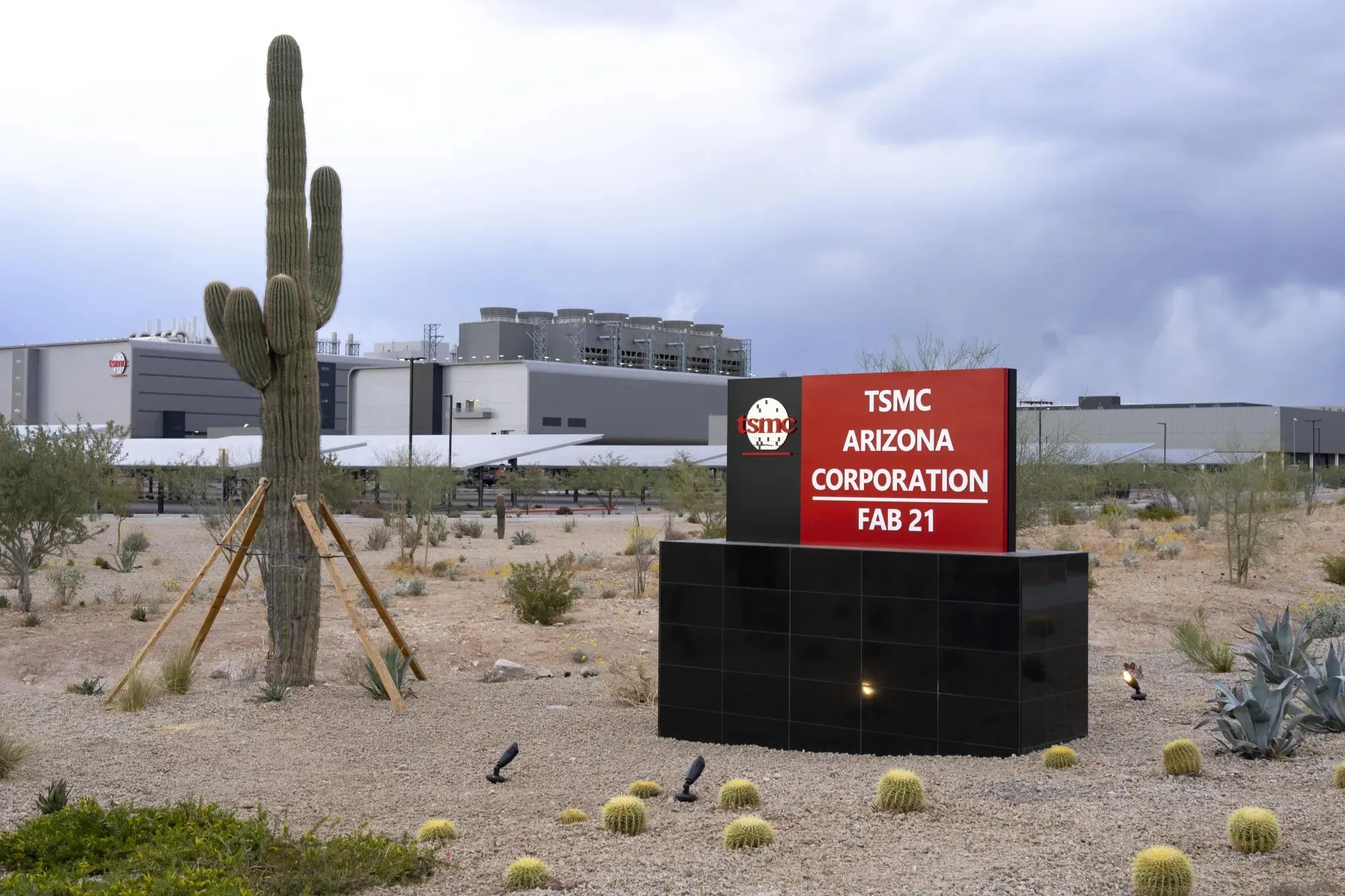
To reduce friction for new businesses, Arizona's commerce authority consolidates permitting. Instead of a company bouncing between transportation, wildlife, and historical agencies, the state coordinates internally, offering a simplified 'one-stop shop' that serves as a key competitive advantage.
ERCOT's old approval process created a doom loop. A project would get an initial study, but the 3-5 year process to secure land and financing allowed so many new applications to queue up that the original project had to be restudied, creating endless delays and pushing investment out of state.

The key bottleneck in US shipbuilding is administrative, not industrial. US shipyards take four times longer than Chinese counterparts to move from contract to keel-laying. Once construction begins, their build times are comparable. The front-end delay stems from perverse incentives to prolong backlogs.
