Get your free personalized podcast brief
We scan new podcasts and send you the top 5 insights daily.
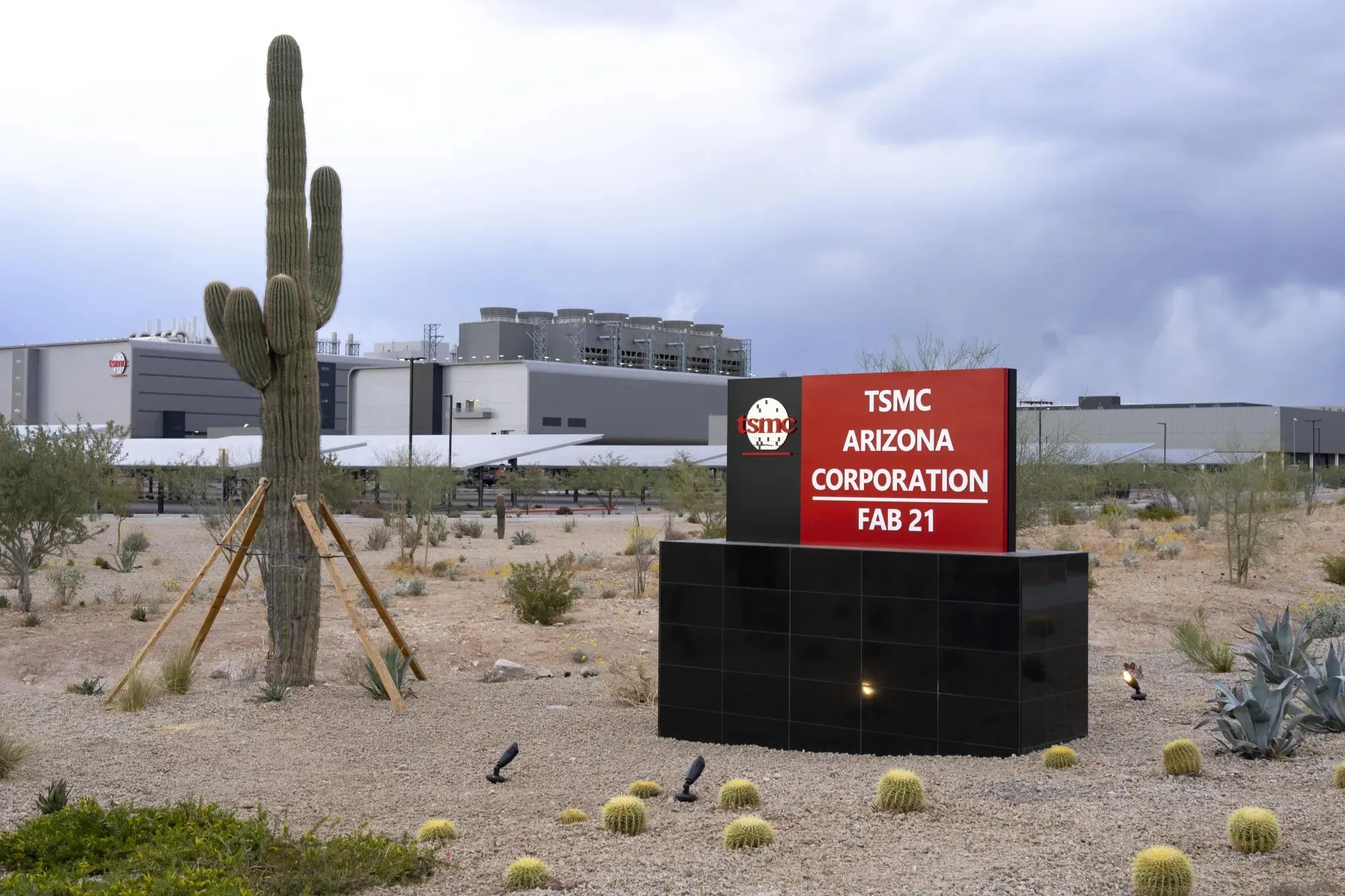
To reduce friction for new businesses, Arizona's commerce authority consolidates permitting. Instead of a company bouncing between transportation, wildlife, and historical agencies, the state coordinates internally, offering a simplified 'one-stop shop' that serves as a key competitive advantage.
Related Insights
To solve its "vicious restudy cycle," ERCOT now groups regional power applications into fixed batches. This allows for a single, comprehensive study of grid impact, providing developers with the certainty needed to invest and build, rather than facing endless re-evaluations from new applicants.

Contrary to popular belief, the success of semiconductor industries in Taiwan and Korea isn't primarily due to massive government subsidies. Instead, their governments excel at creating an extremely stable and predictable business environment with streamlined permitting and minimal regulatory friction, which is more critical for long-term, capital-intensive projects.

A state's reputation with international firms is built through direct engagement like Governor Hobbs's trade missions to South Korea and Taiwan. Showing up in person creates a level of comfort and seriousness that phone calls cannot, translating a 'pro-business vibe' into tangible commitment.
Overly complex government websites and processes act as a direct impediment to new business formation. The speaker recounts his wife, a small business owner, being unable to set up her business properly even with help from a VC and a bookkeeper, illustrating how bureaucracy actively discourages entrepreneurship.

Youngkin's administration spent three years manually cutting 25% of state regulations. They then deployed an AI tool from a startup which, in a matter of months, identified an additional 10-15% for streamlining. This demonstrates AI's power to radically accelerate complex bureaucratic tasks.

For manufacturing startups, factory location is a critical strategic decision. They should prioritize states where local governments actively partner with them to expedite permits, guarantee power, and assist with hiring, avoiding regulatory bottlenecks found elsewhere.

Local city governments are often captured by "Not In My Backyard" (NIMBY) homeowners who block essential development. A practical solution is to elevate planning and zoning authority to the state level. States, motivated by tax revenues and broader growth, are inherently more development-friendly.

Arizona's ability to build new industries quickly may stem from not being tied to a legacy identity like oil, gas, or automotive. This lack of 'industrial sediment' prevents the institutional inertia that can slow down other states from pivoting to new technologies like semiconductors.
To ensure lean and efficient governance, the UAE has implemented a "Zero Bureaucracy" program. This initiative is a hard mandate for government departments to cut 50% of their bureaucratic processes year-over-year, forcing continuous improvement, simplification, and a reduction in corruption.

A long-standing state law mandates that new developments in metro areas prove a 100-year water supply. While once a regulatory hurdle, this policy now provides certainty to water-intensive businesses like semiconductor fabs, making Arizona more attractive than other drought-prone Western states.