Get your free personalized podcast brief
We scan new podcasts and send you the top 5 insights daily.
Traditional ABM relies on static personas and idealized journey maps. AI tools can analyze vast datasets to identify real-time "human signals"—individual behaviors, interests, and needs. This allows for a more nuanced and dynamic approach that targets actual people, not abstract demographic buckets.

Related Insights
Traditional ABM focuses on a pre-defined, static list. A modern, AI-driven approach analyzes behavioral data to uncover organic conversations and influence patterns within a buying group. This allows you to fit your message to their actual needs, rather than forcing a generic message onto a list.

The future of account-based marketing isn't just targeting a list of companies. The focus is shifting to identifying the small subset of accounts actively showing high-intent buying signals. This "smarter ABM" approach allows sales to prioritize outreach on the most engaged prospects, increasing efficiency and conversion.

The next frontier in B2B marketing, enabled by AI-powered segmentation, is identifying the specific 'buying group' within an account relevant to each product. This granular focus moves beyond traditional Account-Based Marketing (ABM) to more directly correlate efforts with pipeline generation.
Human marketers get trapped by averages, even within segments. AI-powered personalization can test countless variations at scale, revealing unexpected "winning" messages that resonate with sub-segments, leading to significant performance lifts and unlocking hidden growth.

Traditional marketing relies on static, often biased customer personas. AI-driven systems replace these assumptions with dynamic models built on real-time user behavior. This allows startups to observe what customers actually do, removing bias and grounding strategy in reality.
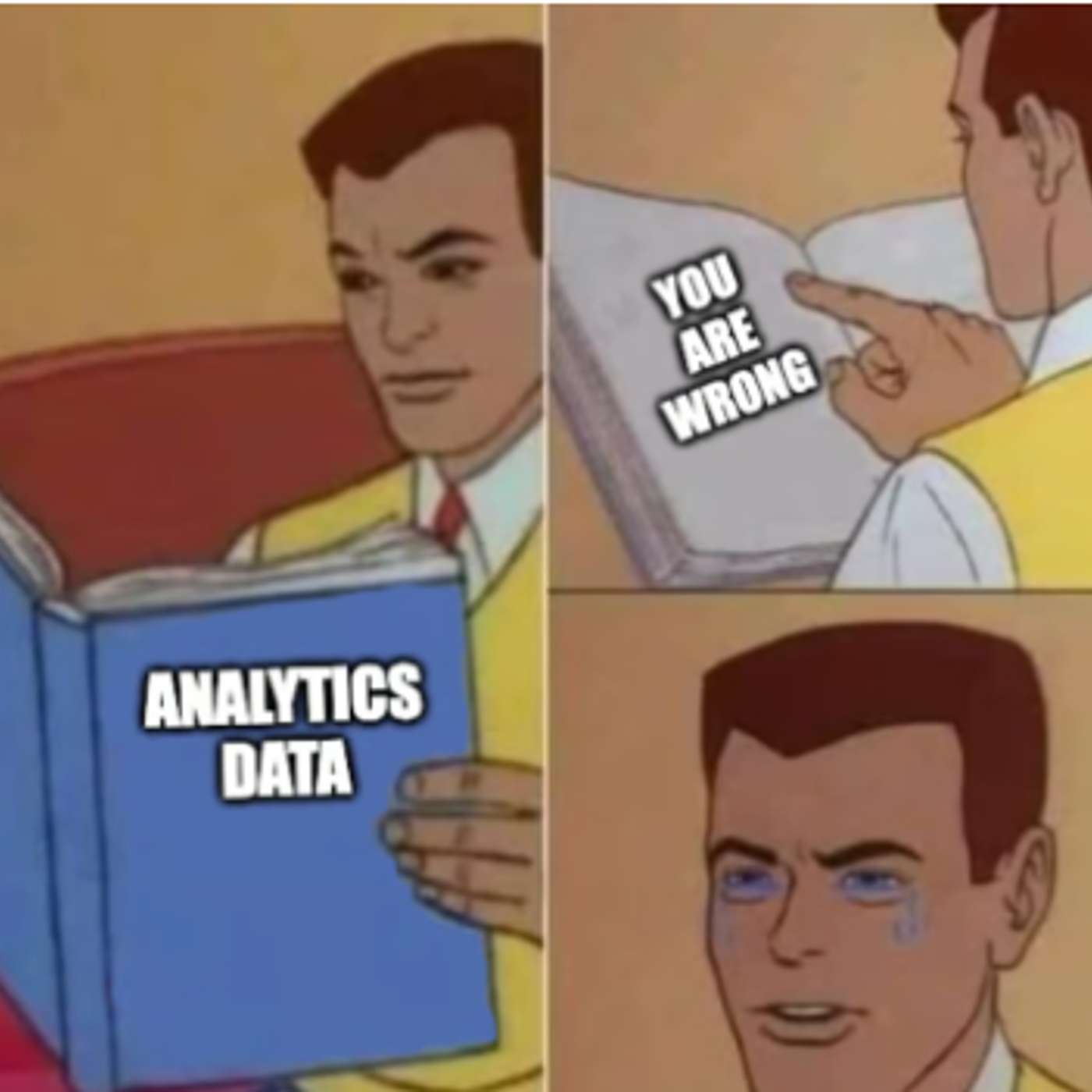
Startups should stop building customer personas on assumptions and surveys. Instead, use AI to analyze real-time behavioral data, creating dynamic profiles that update automatically. This shifts marketing from targeting who you think customers are to who they actually are based on their actions.

A key litmus test for genuine ABM is moving beyond abstract personas to identifying and targeting specific, named individuals within an account. This focus on real people, not roles, is what drives deep personalization and relationship-building.
Instead of batching users into lists for A/B tests, AI can analyze each individual's complete behavioral history in real-time. It then deploys a uniquely bespoke message at the optimal moment for that single user, a level of personalization that makes static segmentation primitive by comparison.
The real potential of AI in marketing lies in creating a unique journey "playlist" for each buyer, like a Spotify DJ. Instead of forcing prospects into predefined paths, AI can dynamically curate and adjust the entire experience based on individual signals, enabling true one-to-one marketing at scale.

Legacy marketing automation platforms are MQL-generating machines built on rigid rules. Marketo's founder argues the next generation must be AI-native, using reasoning instead of rules to orchestrate complex, non-linear journeys for entire accounts and buying groups, not just individual leads.