Get your free personalized podcast brief
We scan new podcasts and send you the top 5 insights daily.
Human marketers get trapped by averages, even within segments. AI-powered personalization can test countless variations at scale, revealing unexpected "winning" messages that resonate with sub-segments, leading to significant performance lifts and unlocking hidden growth.

Related Insights
The traditional "test and learn" mantra is flawed because teams often start with a weak set of creative variants. By using predictive AI to generate a diverse but pre-vetted, high-performance set of options, marketers can ensure their tests are more meaningful and aren't just optimizing a bad strategy.
Traditional marketing relies on static, often biased customer personas. AI-driven systems replace these assumptions with dynamic models built on real-time user behavior. This allows startups to observe what customers actually do, removing bias and grounding strategy in reality.
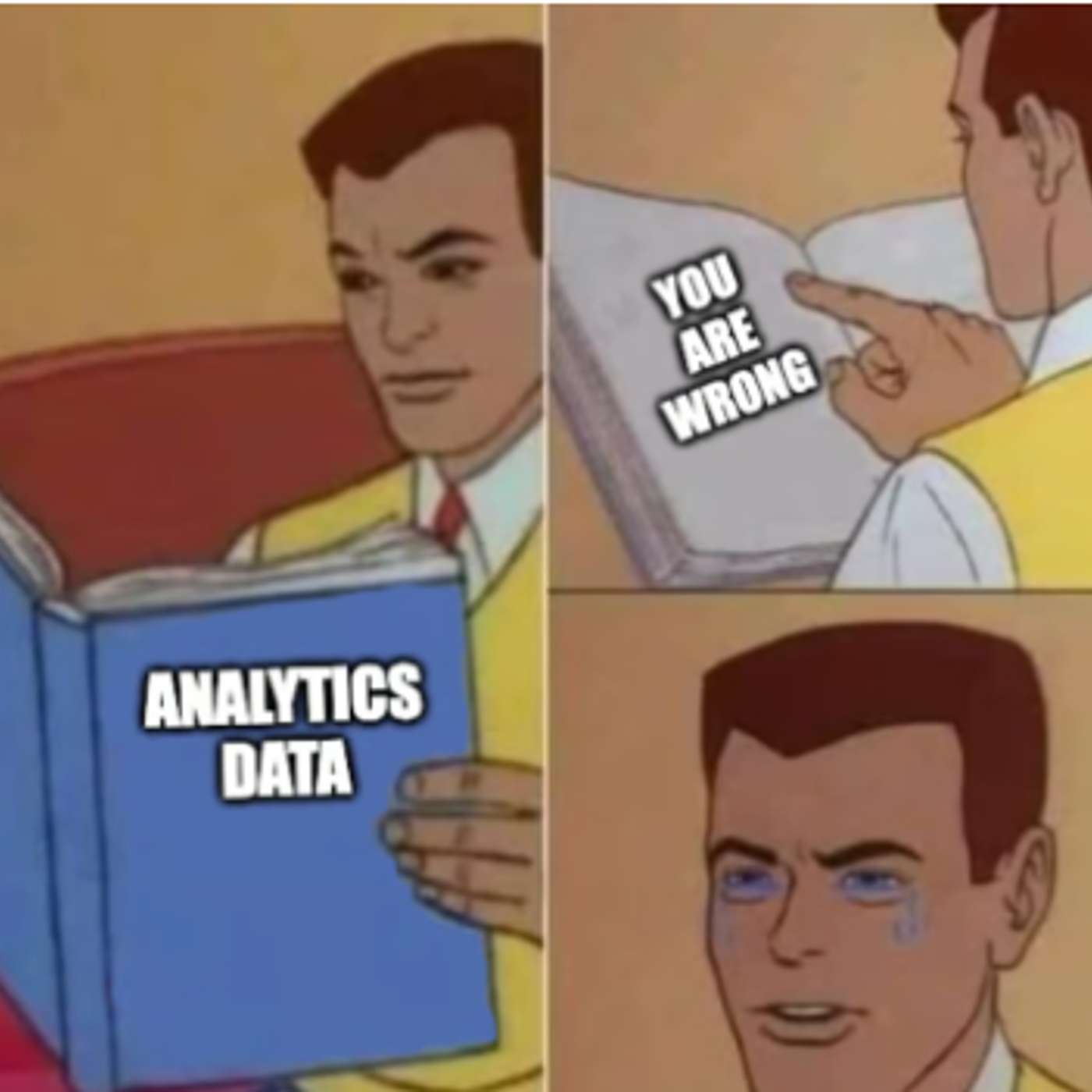
Startups should stop building customer personas on assumptions and surveys. Instead, use AI to analyze real-time behavioral data, creating dynamic profiles that update automatically. This shifts marketing from targeting who you think customers are to who they actually are based on their actions.

The evolution of personalization won't just be one-to-one marketing to a person, but marketing to their AI agent. Brands must learn how to provide data signals and recommendations that influence an AI's choices on behalf of its user, a paradigm shift from traditional consumer engagement models.

AI agents can continuously experiment with variables like subject lines, send times, and offers for each individual user. This level of granular, ongoing A/B testing is impossible to manage manually, unlocking significant performance lifts that compound over time.

While most marketers test a handful of ads, top-tier advertisers leverage AI to run over 800 variations simultaneously. This massive scale of testing is what uncovers the few winning hooks and angles that can skyrocket a business, making AI a necessity for competitive performance marketing.

Instead of batching users into lists for A/B tests, AI can analyze each individual's complete behavioral history in real-time. It then deploys a uniquely bespoke message at the optimal moment for that single user, a level of personalization that makes static segmentation primitive by comparison.
Instead of asking an AI tool for creative ideas, instruct it to predict how 100,000 people would respond to your copy. This shifts the AI from a creative to a statistical mode, leveraging deeper analysis and resulting in marketing assets (like subject lines and CTAs) that perform significantly better in A/B tests.

The real potential of AI in marketing lies in creating a unique journey "playlist" for each buyer, like a Spotify DJ. Instead of forcing prospects into predefined paths, AI can dynamically curate and adjust the entire experience based on individual signals, enabling true one-to-one marketing at scale.

AI's future impact will transcend mere workflow efficiency. It will act as a strategic 'equalizer,' enabling smaller, leaner marketing teams to operate with the sophistication of larger enterprises. This means gaining access to advanced personalization, audience management, and performance optimization that directly impacts the bottom line.
