Get your free personalized podcast brief
We scan new podcasts and send you the top 5 insights daily.
The real potential of AI in marketing lies in creating a unique journey "playlist" for each buyer, like a Spotify DJ. Instead of forcing prospects into predefined paths, AI can dynamically curate and adjust the entire experience based on individual signals, enabling true one-to-one marketing at scale.

Related Insights
Traditional ABM focuses on a pre-defined, static list. A modern, AI-driven approach analyzes behavioral data to uncover organic conversations and influence patterns within a buying group. This allows you to fit your message to their actual needs, rather than forcing a generic message onto a list.

The traditional marketing funnel of discovery, consideration, and conversion is being condensed. AI engines handle all three stages within a single conversational interface, moving the customer journey into a "black box" away from brand-owned websites.
Current AI interactions often feel disjointed—an abandoned cart triggers a separate email later. The future of CX will use AI to create a seamless, continuous engagement that persists across sessions and channels, making the journey feel like a single, uninterrupted conversation rather than a series of divorced steps.
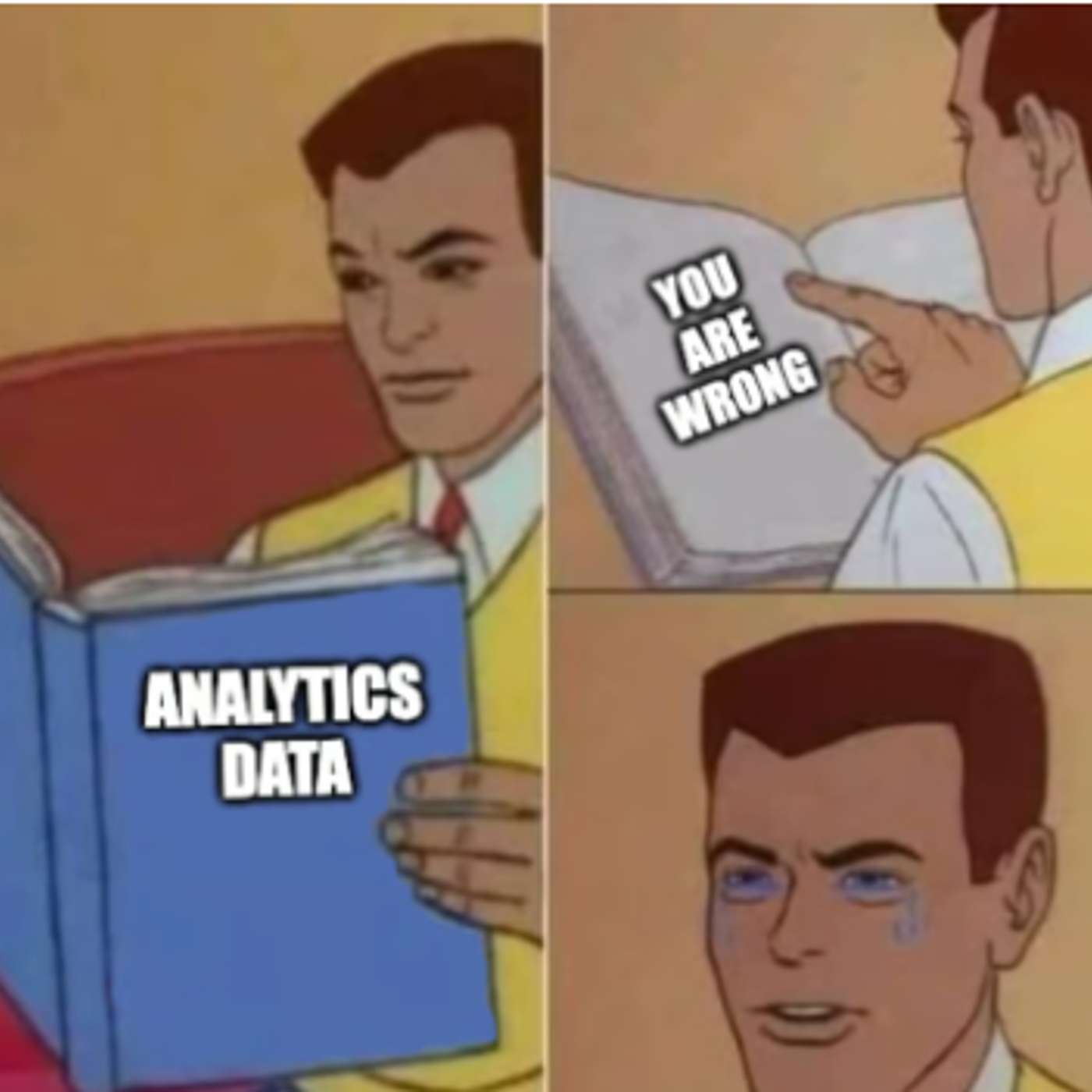
Traditional marketing relies on static, often biased customer personas. AI-driven systems replace these assumptions with dynamic models built on real-time user behavior. This allows startups to observe what customers actually do, removing bias and grounding strategy in reality.
Companies can use AI to generate unique, 'ephemeral software' experiences for marketing campaigns. Instead of a generic Spotify Wrapped-style review, businesses can now affordably create a custom, interactive 'unwrapped' summary for each user based on their specific product usage data, costing just cents in tokens.

Startups should stop building customer personas on assumptions and surveys. Instead, use AI to analyze real-time behavioral data, creating dynamic profiles that update automatically. This shifts marketing from targeting who you think customers are to who they actually are based on their actions.

The evolution of personalization won't just be one-to-one marketing to a person, but marketing to their AI agent. Brands must learn how to provide data signals and recommendations that influence an AI's choices on behalf of its user, a paradigm shift from traditional consumer engagement models.

Instead of batching users into lists for A/B tests, AI can analyze each individual's complete behavioral history in real-time. It then deploys a uniquely bespoke message at the optimal moment for that single user, a level of personalization that makes static segmentation primitive by comparison.
AI is making buyer journeys non-linear and compressed. Instead of a linear funnel, GTM strategy must shift to a continuous, customer-centric "flywheel" model. Buyers conduct deep research upfront, making direct sales engagement optional for some and requiring an always-on, value-first approach.
The rise of AI shopping agents acting on behalf of consumers will make the traditional marketing funnel obsolete. Customers will bounce between channels in unpredictable ways, guided by AI recommendations, making standard KPIs and attribution models increasingly difficult to track and rely upon.