Get your free personalized podcast brief
We scan new podcasts and send you the top 5 insights daily.
Traditional ABM focuses on a pre-defined, static list. A modern, AI-driven approach analyzes behavioral data to uncover organic conversations and influence patterns within a buying group. This allows you to fit your message to their actual needs, rather than forcing a generic message onto a list.

Related Insights
Don't unleash a generic AI agent on your entire database. To get high response rates, segment contacts into specific sub-personas based on role, behavior, or status (e.g., churn risk). Then, train dedicated sub-agents or campaigns for each persona, allowing for true personalization at scale in batches of around 1,000 contacts.
The next frontier in B2B marketing, enabled by AI-powered segmentation, is identifying the specific 'buying group' within an account relevant to each product. This granular focus moves beyond traditional Account-Based Marketing (ABM) to more directly correlate efforts with pipeline generation.
Traditional marketing relies on static, often biased customer personas. AI-driven systems replace these assumptions with dynamic models built on real-time user behavior. This allows startups to observe what customers actually do, removing bias and grounding strategy in reality.
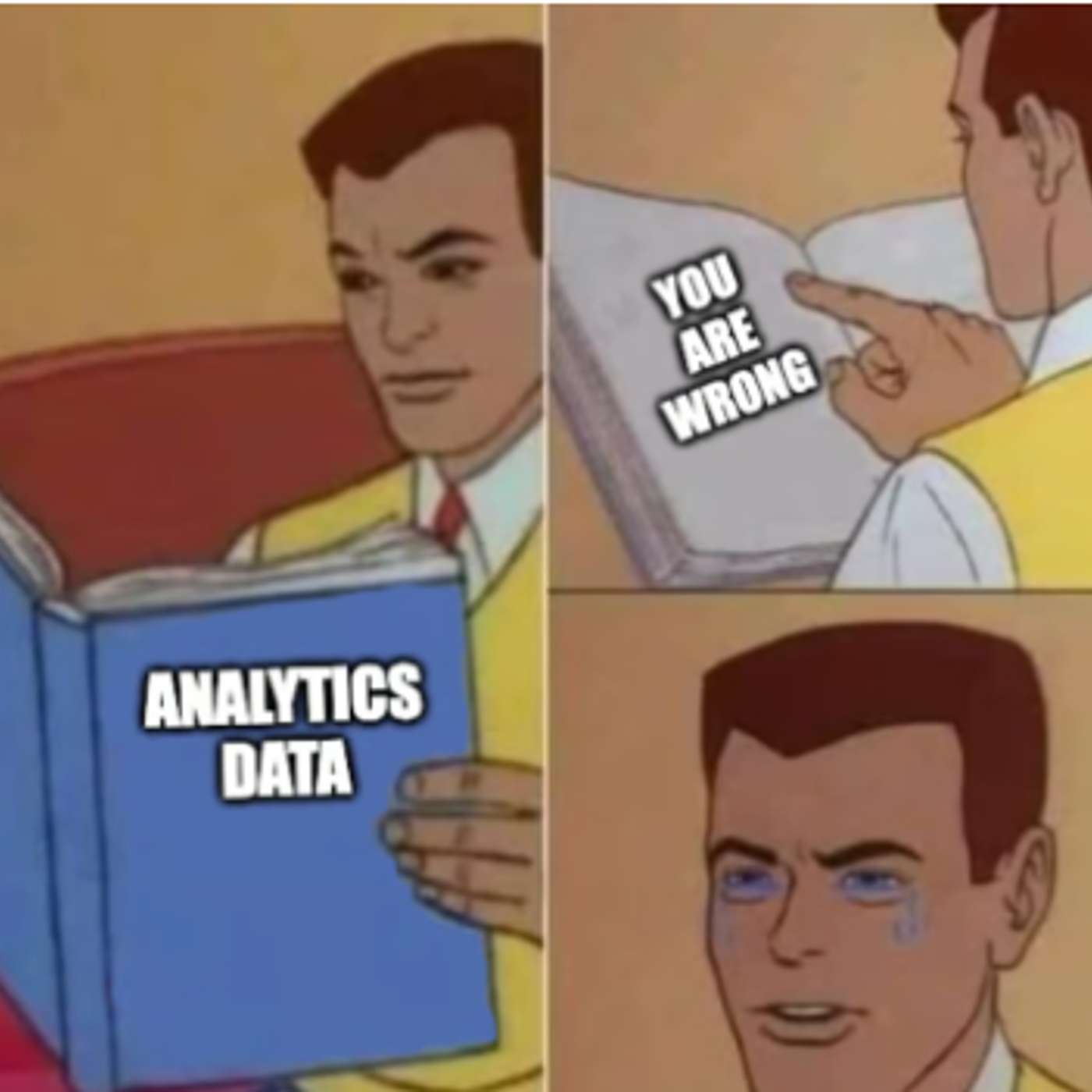
Startups should stop building customer personas on assumptions and surveys. Instead, use AI to analyze real-time behavioral data, creating dynamic profiles that update automatically. This shifts marketing from targeting who you think customers are to who they actually are based on their actions.

Beyond just generating creative, the future of AI in CRM is using "agentic AI" to build better strategies. This involves agents that help define audience segments, determine the next best product or action, and accelerate the implementation of complex campaigns, enhancing human strategy rather than replacing it.
With buyers completing nearly 80% of their research using tools like Generative AI before vendor contact, the linear funnel is dead. Traditional metrics like MQLs and SQLs are meaningless. Go-to-market strategies must be rewritten to influence buyers during their independent, non-linear discovery phase.
Instead of batching users into lists for A/B tests, AI can analyze each individual's complete behavioral history in real-time. It then deploys a uniquely bespoke message at the optimal moment for that single user, a level of personalization that makes static segmentation primitive by comparison.
Traditional pre-qualification uses rigid scripts, potentially missing high-value clients who don't fit the mold. Agentic AI analyzes conversation nuances to identify various customer archetypes and high-intent signals beyond the primary avatar, ensuring top prospects aren't overlooked.

Instead of using AI for mass content creation, which leads to overload, leverage it to adapt a core value proposition into highly relevant messaging for each persona within a buying group (CEO, CTO, CFO), addressing their specific pain points.
When deploying AI SDRs, abandon outdated demographic segmentation. Instead, use hyper-segmented behavioral lists, such as recent website visitors, former customers at new jobs, or webinar attendees. This gives the agent crucial context to craft relevant and effective outreach.
