Get your free personalized podcast brief
We scan new podcasts and send you the top 5 insights daily.
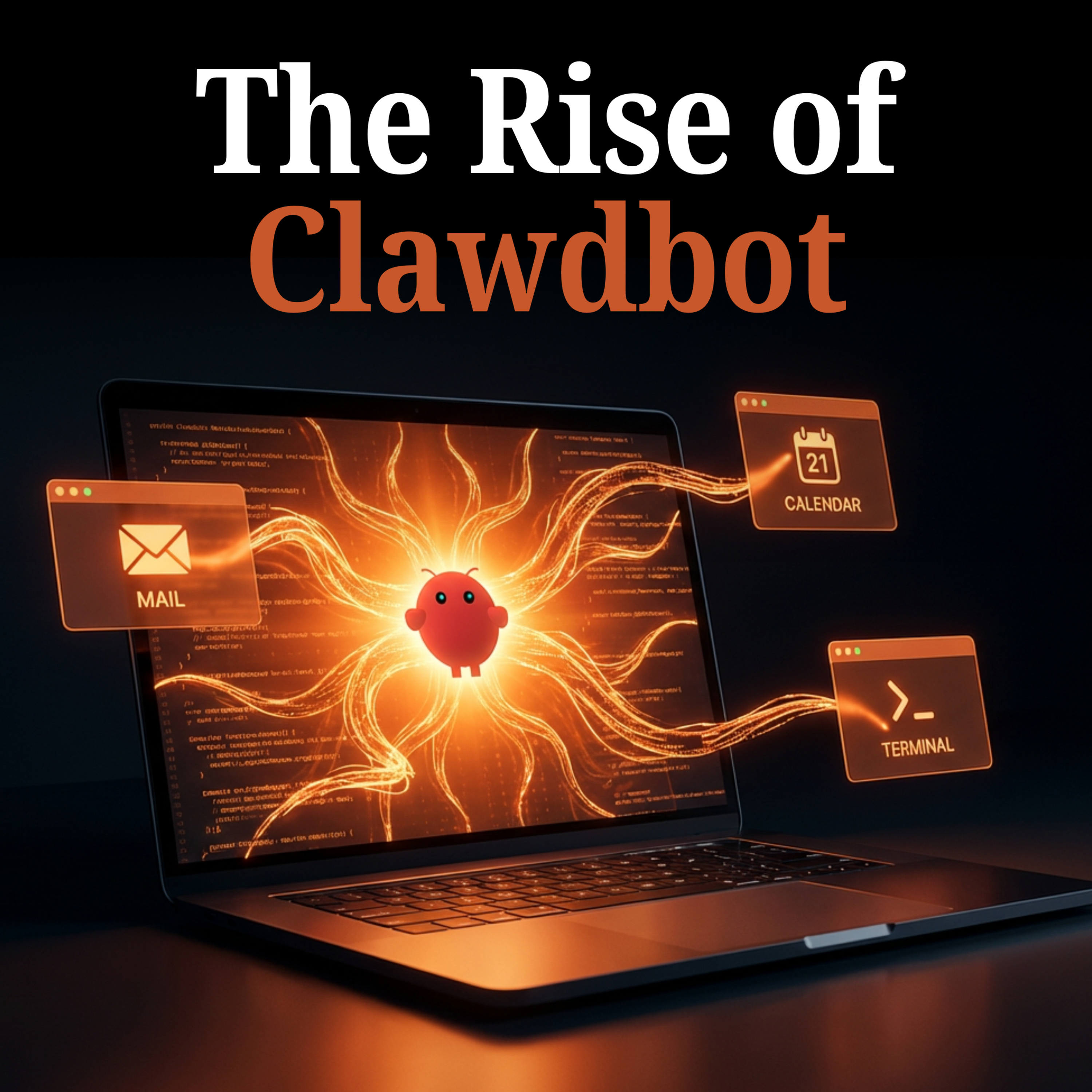
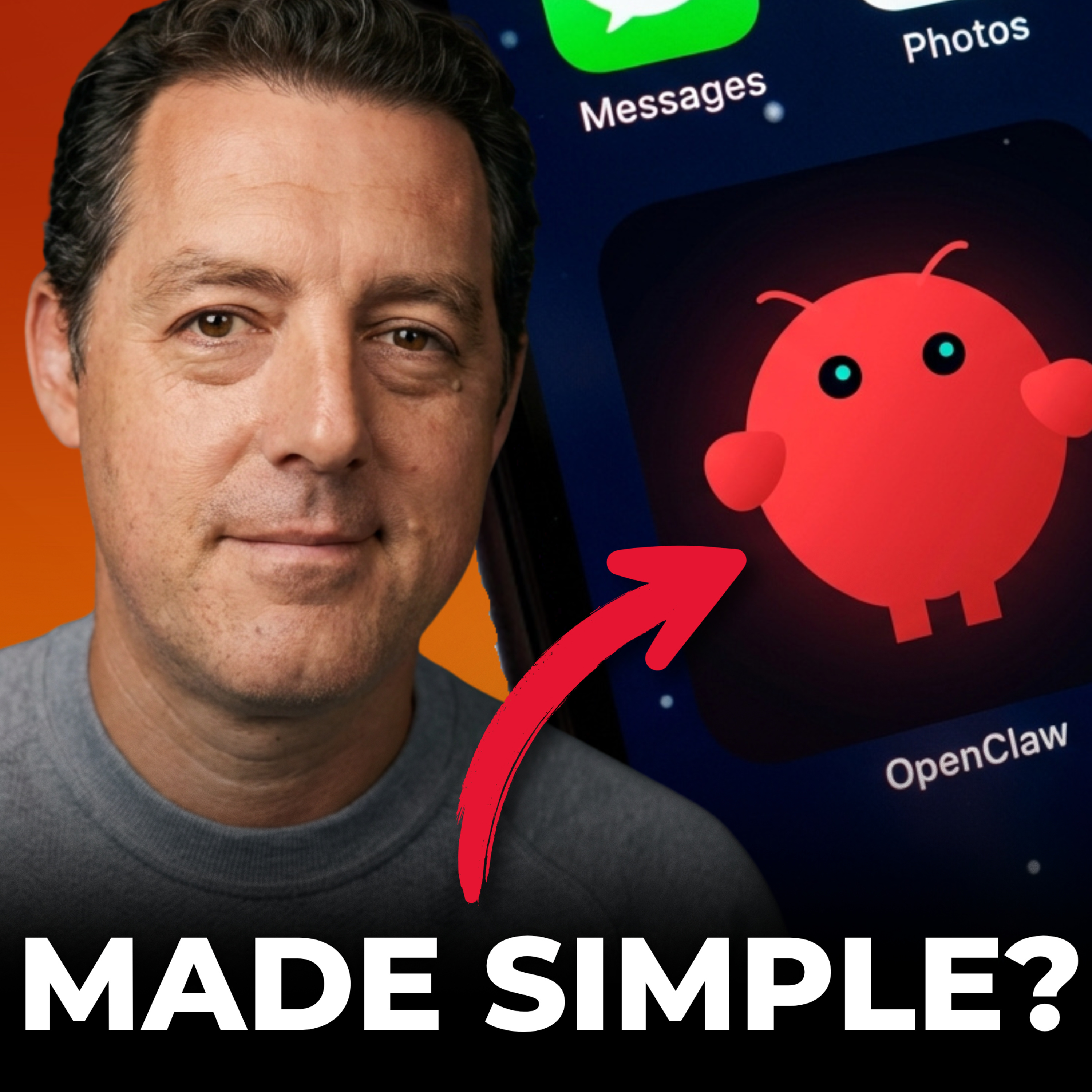
Despite the viral trend of buying Mac Minis for OpenClaw, real-world use is often disappointing. The setup is complex, performance on tasks like browser automation is fragile, and for core use cases like remote coding, existing tools are often superior, highlighting a current chasm between hype and value.

Related Insights
Because agentic frameworks like OpenClaw require broad system access (shell, files, apps) to be useful, running them on a personal computer is a major security risk. Experts like Andrej Karpathy recommend isolating them on dedicated hardware, like a Mac Mini or a separate cloud instance, to prevent compromises from escalating.

The story of OpenClaw's creator shows how a single person can build a tool so superior to what large labs like OpenAI produce that it forces a high-profile "acqui-hire." This highlights the immense leverage of individual talent in the current AI landscape.
The AI.com Super Bowl ad was a wrapper for OpenClaw, an open-source agent framework that had only gone viral two weeks prior. This demonstrates the unprecedented speed of the current AI hype cycle, where a new technology can become the basis for a multi-million dollar ad campaign almost instantly.

The core appeal of open-source projects like OpenClaw is that they run locally on user hardware, granting full control over personal data. This contrasts with cloud-based agents from Meta, positioning data ownership and privacy as a key differentiator against convenience.

While tech enthusiasts focus on powerful but complex agents like OpenClaw, Meta's Manus is gaining traction by offering a simplified, code-free version. This suggests mass-market adoption for AI agents hinges on ease of use and accessibility, not just technical capability.

OpenClaw's viral developer adoption demonstrates a massive demand for truly autonomous AI agents, even if it means breaking safety guardrails. This grassroots movement has forced major AI labs to embrace the trend, as the desire for capability outweighs initial safety concerns.
Despite significant buzz, the trend of buying Mac Minis to run local AI models has not translated into a sales surge. The devices remain widely in stock, suggesting the behavior is a niche, performative signal of being "AI native" rather than a widespread consumer movement.

The excitement around tools like OpenClaw stems from their ability to empower non-programmers to create custom software and workflows. This replicates the feeling of creative power previously exclusive to developers, unlocking a long tail of niche, personalized applications for small businesses and individuals who could never build them before.
There is a growing gap between the entertainment value of building with AI tools—likened to playing with Legos—and the actual, sustained utility of the creations. Many developers build novel applications for fun but rarely use them, suggesting a challenge in finding true product-market fit.
The trend of running AI agents on dedicated Mac Minis isn't just for performance. It reflects a user desire for a tangible, always-on 'AI buddy' or appliance, similar to an R2-D2, that manages their digital life.