Get your free personalized podcast brief
We scan new podcasts and send you the top 5 insights daily.
The trend of running AI agents on dedicated Mac Minis isn't just for performance. It reflects a user desire for a tangible, always-on 'AI buddy' or appliance, similar to an R2-D2, that manages their digital life.
Related Insights
While Google has online data and Apple has on-device data, OpenAI lacks a direct feed into a user's physical interactions. Developing hardware, like an AirPod-style device, is a strategic move to capture this missing "personal context" of real-world experiences, opening a new competitive front.

Users are choosing the Mac mini to run Claude Bot because it's an affordable, reliable, always-on device that offers crucial native iMessage integration. This allows them to control their desktop-based AI from their phone, effectively turning the Mac mini into a personal server.

The surge in Mac mini purchases for running AI assistants isn't random. It's the ideal 'home server' because it's affordable, can run 24/7 reliably via ethernet, and critically, its macOS provides native iMessage integration—a key channel for interacting with the AI from a mobile device.
The prohibitive cost of building physical AI is collapsing. Affordable, powerful GPUs and application-specific integrated circuits (ASICs) are enabling consumers and hobbyists to create sophisticated, task-specific robots at home, moving AI out of the cloud and into tangible, customizable consumer electronics.
Leaks about OpenAI's hardware team exploring a behind-the-ear device suggest a strategic interest in ambient computing. This moves beyond screen-based chatbots and points towards a future of always-on, integrated AI assistants that compete directly with audio wearables like Apple's AirPods.
OpenAI's 2025 acquisition of Sky, an AI with deep macOS integration, shows its intent to build a product similar to Claude Bot. This move indicates a strategic shift towards AI agents that can directly interact with a user's apps and operating system.
The future of AI isn't just in the cloud. Personal devices, like Apple's future Macs, will run sophisticated LLMs locally. This enables hyper-personalized, private AI that can index and interact with your local files, photos, and emails without sending sensitive data to third-party servers, fundamentally changing the user experience.
The next major hardware cycle will be driven by user demand for local AI models that run on personal machines, ensuring privacy and control away from corporate or government surveillance. This shift from a purely cloud-centric paradigm will spark massive demand for more powerful personal computers and laptops.

Razer's Project Ava, a holographic AI that analyzes a user's screen in real-time, points to a new consumer hardware category beyond simple chatbots. The model, which features an expanding library of characters that evolve based on interactions, suggests a large potential market for personalized, dynamically adapting AI personas.
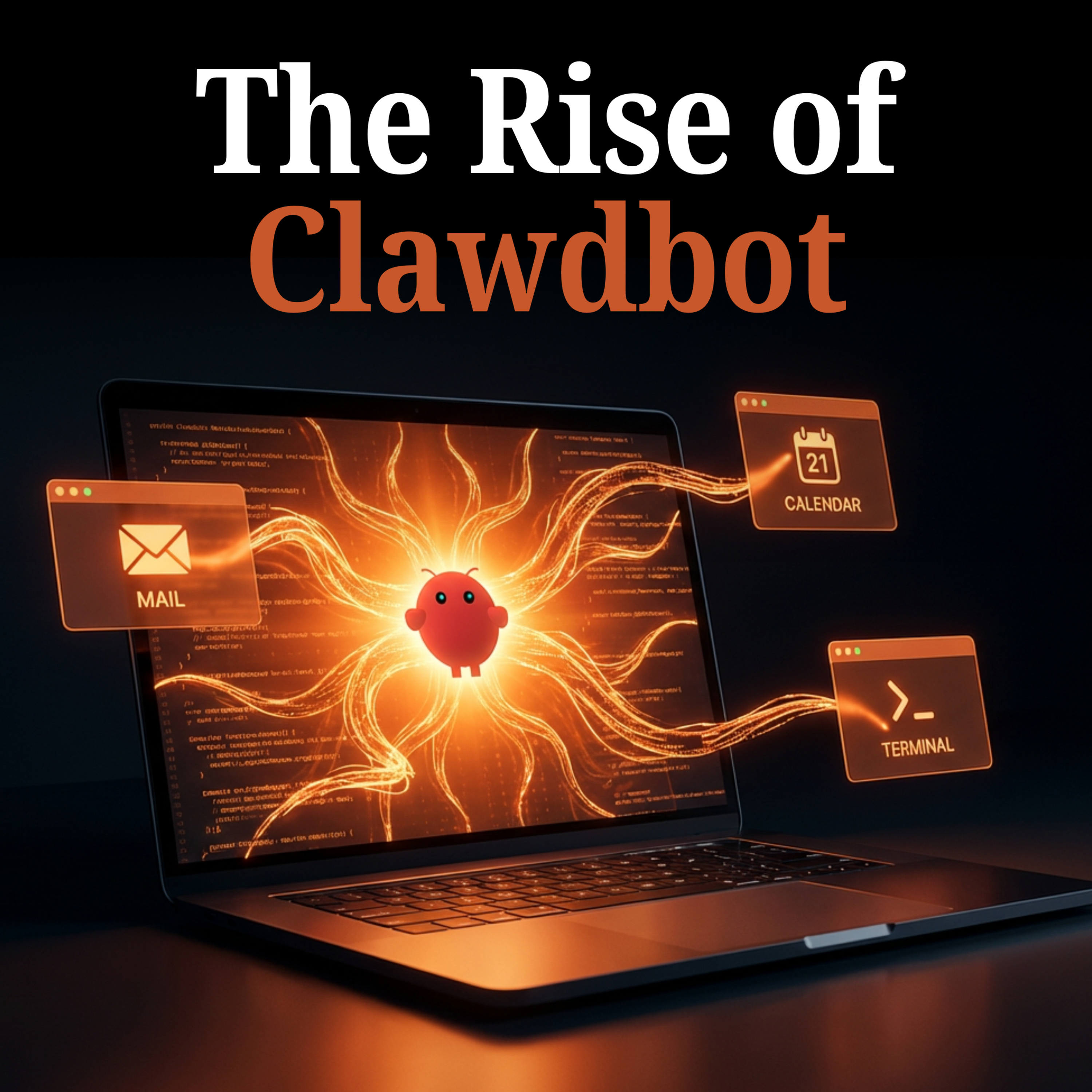
The "Claudebot" system represents a new paradigm where users run a persistent, open-source AI agent on their own local hardware. The agent's key feature is its ability to self-improve by writing new skills on command, effectively becoming a 24/7 digital employee that continually expands its capabilities.