Get your free personalized podcast brief
We scan new podcasts and send you the top 5 insights daily.
To avoid the weight regain that often follows cessation of GLP-1 drugs, some physicians and patients are using smaller, non-standard 'micro-doses' for maintenance. This personalized approach helps sustain weight loss while minimizing side effects and costs.

Related Insights
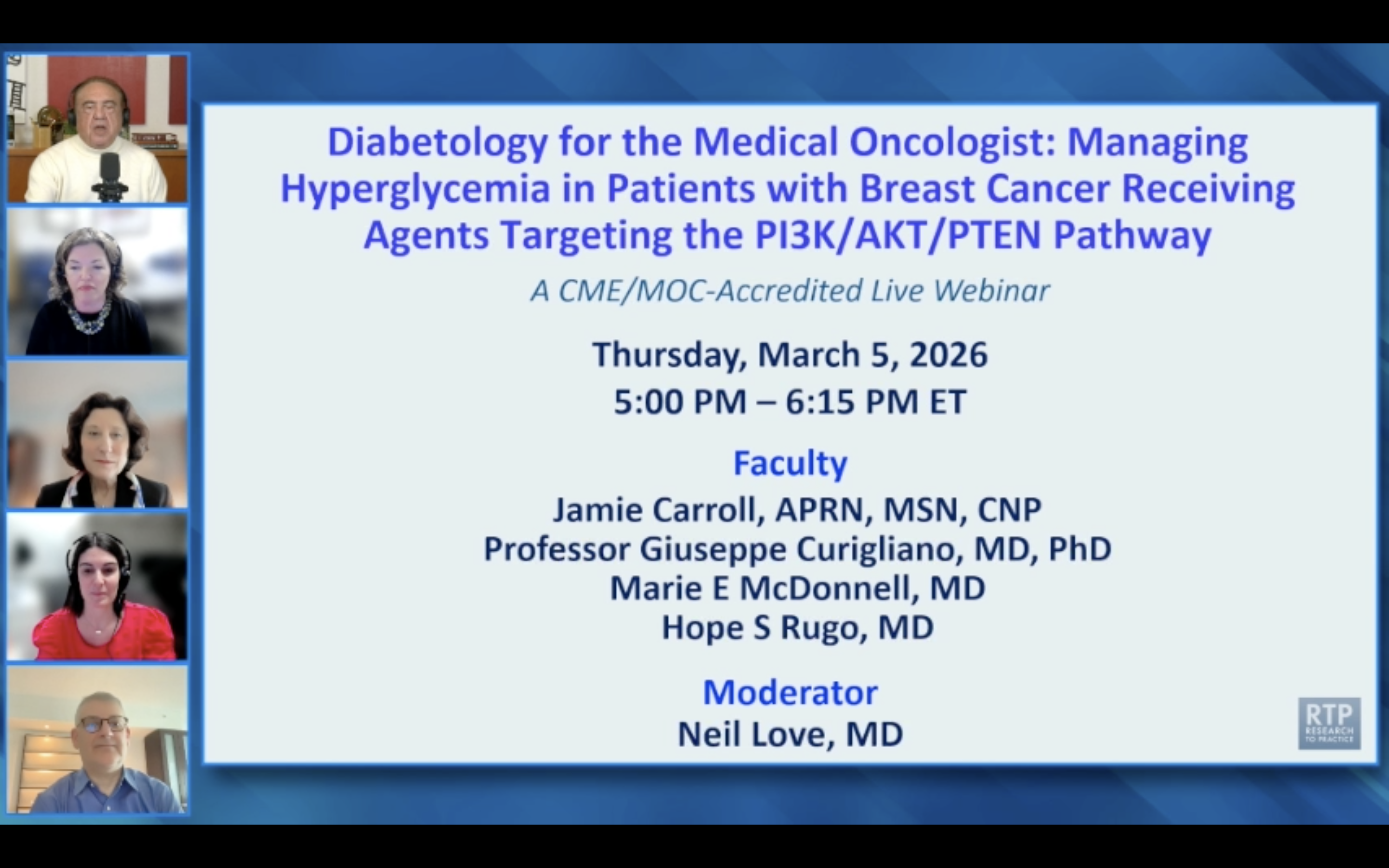
While known for weight loss, GLP-1 agonists are also highly effective for managing hyperglycemia from both steroids and PI3K inhibitors. Using low or "micro" doses can be very helpful in cancer patients, providing glucose control while minimizing GI side effects like nausea.
Long-term, high-dose GLP-1 use leads to diminishing returns and significant muscle loss. A more effective strategy is using micro-doses in 90-day cycles, paired with nutritional coaching. This approach uses the drug as a temporary tool to eliminate carb cravings and establish lasting dietary habits.

To prevent rebound weight gain and associated inflammation—which is particularly detrimental for cancer survivors—patients should not stop GLP-1s abruptly. Instead, a slow, methodical 20-week taper is recommended, with close monitoring to ensure weight stability before full discontinuation.

Insurance coverage for GLP-1s is based on clinical trials conducted on morbidly obese patients, which used high dosages. This forces even patients who only need a small 'microdose' for effect to take these larger, approved dosages to get coverage, leading to unnecessary side effects and costs.

Contrary to Wall Street's focus on ever-increasing efficacy, real-world data shows GLP-1 users optimize for tolerability. They prefer a sustainable dose that offers health benefits without severe side effects, maximizing their ability to stay on the drug long-term.
![Alex Karnal - The Trillion-Dollar Health Revolution - [Invest Like the Best, EP.467] thumbnail](https://megaphone.imgix.net/podcasts/cbc5538c-3d2c-11f1-abeb-8fa0b9345ba8/image/7338c7270d70078f65b4911eb9cd5b0b.jpg?ixlib=rails-4.3.1&max-w=3000&max-h=3000&fit=crop&auto=format,compress)
As the obesity market matures, the key differentiator may shift from maximum weight loss to tolerability. High discontinuation rates for GLP-1s due to GI side effects create an opportunity for drugs with slightly lower efficacy but a stellar safety profile, which could capture a large and underserved patient segment.

When you stop taking GLP-1 medications and regain weight, the new weight is primarily fat, not the lean muscle you lost. Each on-off cycle progressively shifts your body composition unfavorably, making you metabolically worse off than before starting.
Despite their efficacy, GLP-1s suffer from significant tolerability issues (GI side effects) and frequent dosing, leading a majority of patients to stop treatment within a year. This massive churn creates a substantial market opportunity for alternative mechanisms that offer a better patient experience with fewer side effects.

A major problem with GLP-1 drugs is that users often regain weight after stopping because they haven't learned new habits. Nutrisense addresses this by providing data and coaching to build sustainable lifestyle changes, making it a complementary, long-term solution.

The obesity market is evolving beyond maximum weight loss. Key differentiators will become dosing convenience, side effect profiles, and preserving lean muscle. This creates space for novel mechanisms, potentially as add-on therapies to lower GLP-1 doses and mitigate side effects.
