Get your free personalized podcast brief
We scan new podcasts and send you the top 5 insights daily.
Insurance coverage for GLP-1s is based on clinical trials conducted on morbidly obese patients, which used high dosages. This forces even patients who only need a small 'microdose' for effect to take these larger, approved dosages to get coverage, leading to unnecessary side effects and costs.

Related Insights
Lilly’s next-generation obesity drug shows unprecedented weight loss but with a harsher side effect profile. This suggests a market segmentation strategy targeting the most severely obese patients, rather than competing directly with existing therapies for the broader population. The market is evolving beyond a simple race for maximum efficacy.

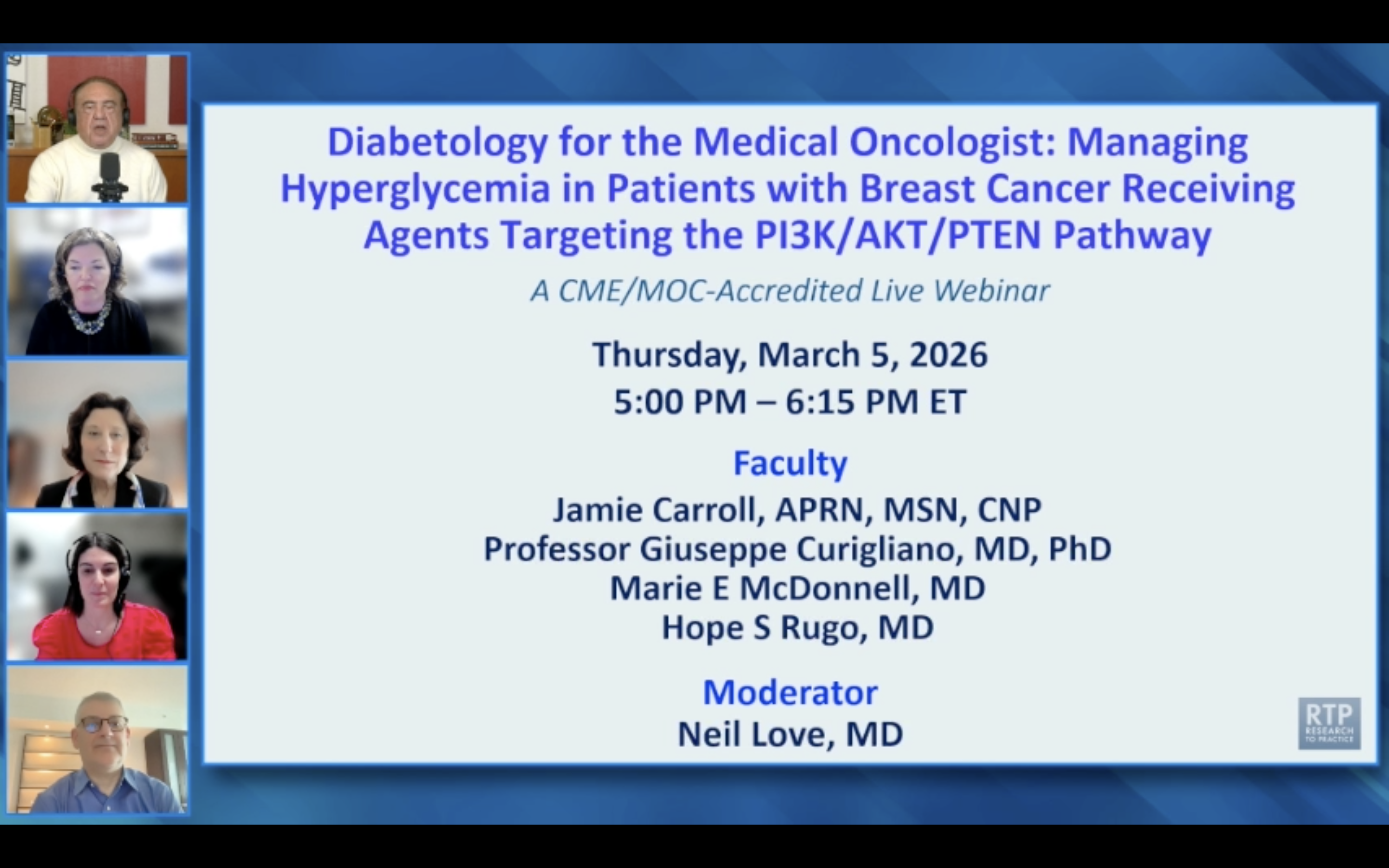
While known for weight loss, GLP-1 agonists are also highly effective for managing hyperglycemia from both steroids and PI3K inhibitors. Using low or "micro" doses can be very helpful in cancer patients, providing glucose control while minimizing GI side effects like nausea.
The US healthcare system is creating a major bottleneck for GLP-1s. While Medicare is beginning to cover the drugs for seniors, private insurers, who cover two-thirds of Americans, are simultaneously increasing hurdles and dropping coverage, effectively hitting the gas and brakes on a major public health tool.

The emerging Amylin class of obesity drugs shows a consistently more favorable side effect profile than GLP-1 agonists. While weight loss efficacy may be comparable, the superior tolerability positions Amylin as a strong future competitor, either as a standalone option for sensitive patients or as a backbone for combination therapies.

Contrary to Wall Street's focus on ever-increasing efficacy, real-world data shows GLP-1 users optimize for tolerability. They prefer a sustainable dose that offers health benefits without severe side effects, maximizing their ability to stay on the drug long-term.
![Alex Karnal - The Trillion-Dollar Health Revolution - [Invest Like the Best, EP.467] thumbnail](https://megaphone.imgix.net/podcasts/cbc5538c-3d2c-11f1-abeb-8fa0b9345ba8/image/7338c7270d70078f65b4911eb9cd5b0b.jpg?ixlib=rails-4.3.1&max-w=3000&max-h=3000&fit=crop&auto=format,compress)
The market fears oral GLP-1s will make injectable suppliers like Stevanato obsolete. However, oral versions are currently only half as effective. Injectables will remain essential for severe cases (morbidly obese, type 2 diabetes) and patients who struggle with strict daily adherence, ensuring continued demand.

As the obesity market matures, the key differentiator may shift from maximum weight loss to tolerability. High discontinuation rates for GLP-1s due to GI side effects create an opportunity for drugs with slightly lower efficacy but a stellar safety profile, which could capture a large and underserved patient segment.

Despite showing massive weight loss, new obesity drugs from Eli Lilly and others have high discontinuation rates due to side effects. This suggests the industry's singular focus on efficacy may be hitting diminishing returns, opening a new competitive front based on better patient tolerance and adherence.

Treating obesity with drugs like Wegovy for a limited time, such as two years, is akin to only treating high cholesterol temporarily. This policy ignores the medical reality that obesity is a chronic disease requiring lifelong management, not a short-term condition.

The obesity market is evolving beyond maximum weight loss. Key differentiators will become dosing convenience, side effect profiles, and preserving lean muscle. This creates space for novel mechanisms, potentially as add-on therapies to lower GLP-1 doses and mitigate side effects.
