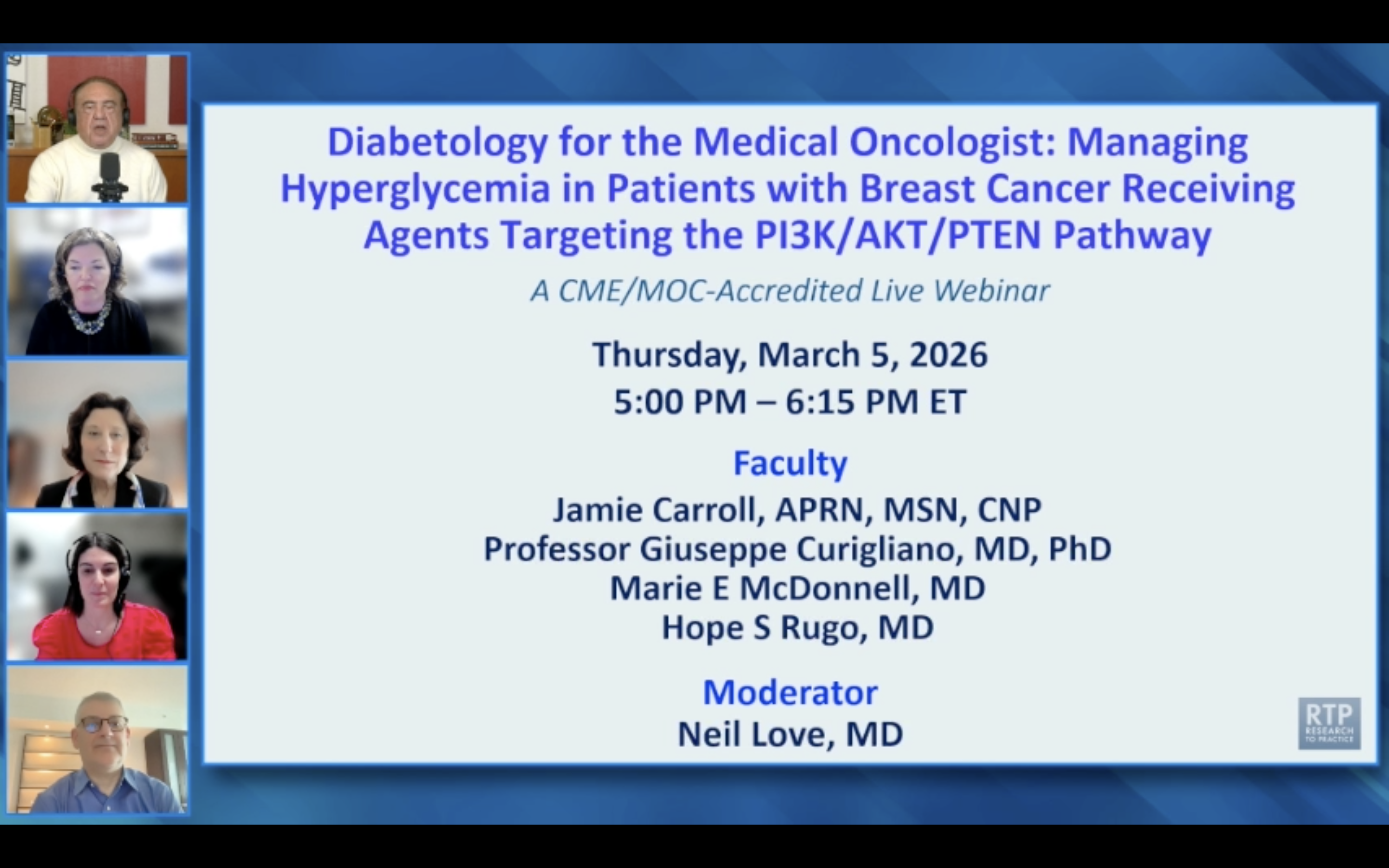
Steroid-induced hyperglycemia is a primary driver of cancer-related high blood sugar. Patients with prediabetes (A1C 5.7-6.4%) are often overlooked but frequently develop hyperglycemia on high-dose dexamethasone, making proactive warnings and dietary guidance crucial for this group.
Advances in drug design mean newer PI3K inhibitors are more targeted, resulting in significantly less off-target toxicity. For example, some investigational agents have a hyperglycemia risk under 15%, a substantial improvement over earlier drugs, making them easier to manage clinically.
While known for weight loss, GLP-1 agonists are also highly effective for managing hyperglycemia from both steroids and PI3K inhibitors. Using low or "micro" doses can be very helpful in cancer patients, providing glucose control while minimizing GI side effects like nausea.
When patients experience side effects from a regimen with multiple oral drugs on different schedules, there is a high risk of confusion. A patient may hold the wrong medication, leading to uncontrolled side effects and delayed management, highlighting the need for clear communication.
Standard BMI categories fail to capture the elevated diabetes risk in certain ethnic groups. Clinicians must recognize that patients of South Asian, Korean, or Chinese descent are at higher risk for hyperglycemia at a much lower BMI (e.g., a BMI of 23 should be considered overweight).
Oncologists typically initiate metformin for drug-induced hyperglycemia but are hesitant to manage more complex regimens. They prefer collaborating with endocrinologists who can navigate different drugs, dosages, and interactions, especially for complex oncology patients where frequent follow-up is needed.
On-body glucose monitors give oncologists a richer understanding of a patient's glucose control, including 24-hour trends, time-in-range, and an A1c equivalent (GMI). This real-time data is critical for managing hyperglycemia from targeted therapies, offering more insight than periodic fasting tests.
Clinicians are hesitant to use insulin for PI3K inhibitor-induced hyperglycemia. The primary concern is that exogenous insulin, a potent growth factor, could theoretically counteract the therapy's anti-tumor effect by promoting cancer cell survival, although this risk remains unproven.
A patient with normal baseline glucose on an AKT inhibitor can experience a sudden, severe spike in blood sugar when they get sick (e.g., fever, infection). The illness acts as a physiological stressor, creating a "perfect storm" that demands immediate attention and patient education.
A critical and often overlooked factor in managing hyperglycemia is hydration. Volume depletion from drug-induced diarrhea impairs the kidneys' ability to excrete glucose. This traps sugar in the body, creating a vicious cycle that dramatically elevates blood glucose levels.