Get your free personalized podcast brief
We scan new podcasts and send you the top 5 insights daily.
Serial acquirer Lifco improves post-acquisition performance by having sellers retain an ownership stake in their business. This goes beyond typical earn-outs, keeping the founder's expertise and incentives aligned with the parent company for long-term growth, rather than just hitting short-term targets.
Related Insights
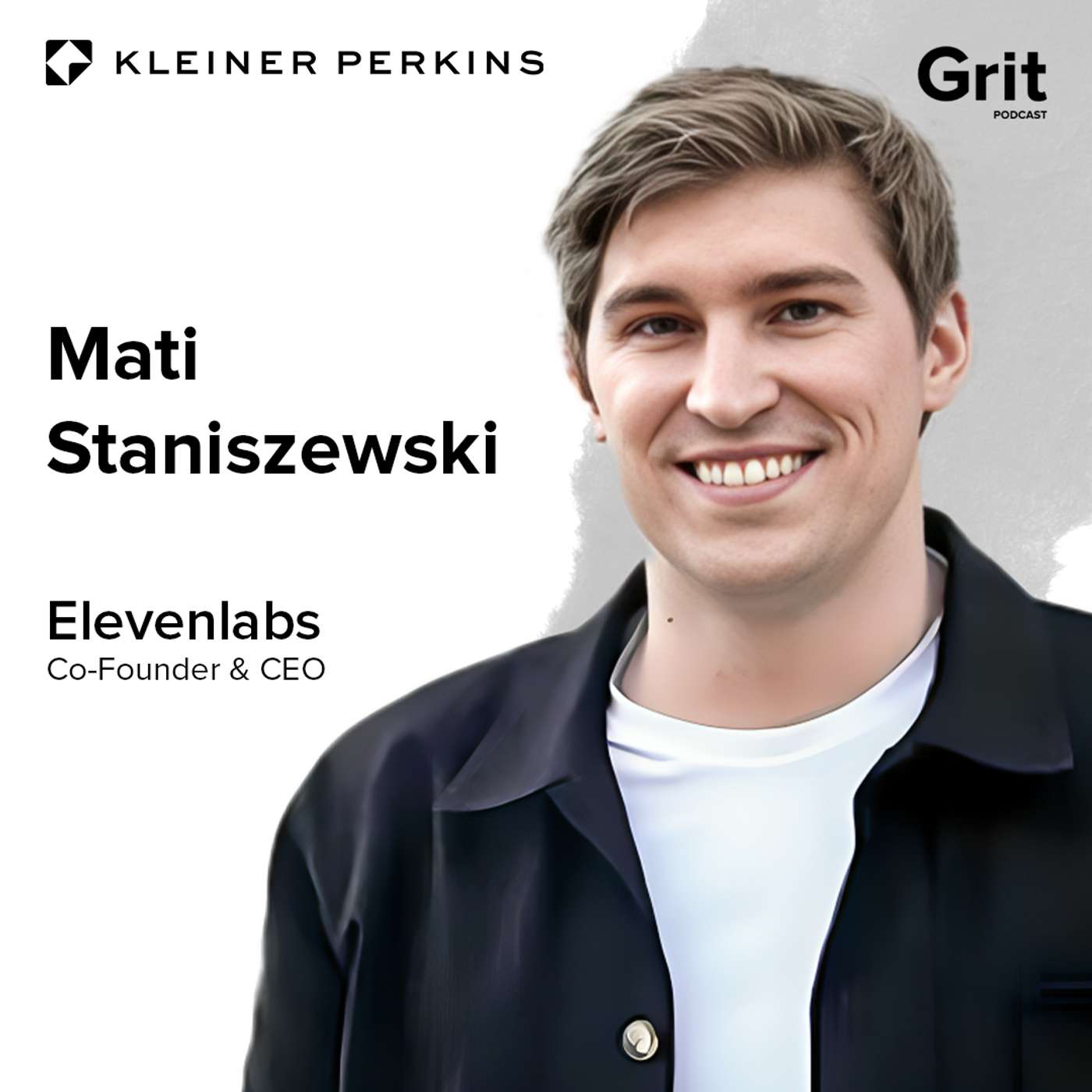
ElevenLabs raised a $100M round entirely for employee secondaries. The CEO's rationale is that by allowing early team members to de-risk and realize financial gains, it solidifies their commitment to the company's multi-year mission rather than creating pressure for a quick exit.
To prevent the next generation of leaders from being burdened by debt, WCM's founders transfer their ownership stakes at book value—not market value. This massive personal financial sacrifice is designed to ensure the firm's long-term health and stability over founder enrichment.
![[REPLAY] Paul Black and Mike Trigg – How to Build a $100B Money Manager (Capital Allocators, EP.227) thumbnail](https://static.libsyn.com/p/assets/f/b/7/6/fb76e1c8bfb69e8dd959afa2a1bf1c87/CA_Square_logo_light_background_6.26.24.jpg)
Combining strategy, M&A, and integration under a single leader provides a full lifecycle, enterprise-wide view. This structure breaks down silos and creates a "closed-loop system" where post-deal integration performance and lessons learned directly feed back into future strategy and deal theses, refining success metrics beyond financials.

Founders should be wary of earn-out clauses. Acquirers can impose layers of pointless processes and overhead costs, tanking the profitability of a successful business and making it impossible for the founder to ever receive their earn-out payment.

While bonuses tied to revenue incentivize employees to perform specific tasks, they are purely transactional. Granting stock options makes team members think holistically about the entire business's long-term health, from strategic opportunities to small cost savings, creating true psychological ownership.

Public companies, beholden to quarterly earnings, often behave like "psychopaths," optimizing for short-term metrics at the expense of customer relationships. In contrast, founder-led or family-owned firms can invest in long-term customer value, leading to more sustainable success.
A business transitions from a founder-dependent "practice" to a scalable "enterprise" only when the founder shares wealth and recognition. Failing to provide equity and public credit prevents attracting and retaining the talent needed for growth, as top performers will leave to become owners themselves.

Granting a full co-founder 50% equity is a massive, often regrettable, early decision. A better model is to bring on a 'partner' with a smaller, vested equity stake (e.g., 10%). This provides accountability and complementary skills without sacrificing majority ownership and control.

After discovering that buyers of their portfolio companies were achieving 3x returns, TA shifted its strategy. Instead of selling 100%, they now often sell partial stakes. This provides liquidity to LPs and de-risks the investment while allowing TA to capture significant upside from the company's continued compounding growth.

In a market dominated by short-term traders and passive indexers, companies crave long-duration shareholders. Firms that hold positions for 5-10 years and focus on long-term strategy gain a competitive edge through better access to management, as companies are incentivized to engage with stable partners over transient capital.