Get your free personalized podcast brief
We scan new podcasts and send you the top 5 insights daily.
Before quitting his Wall Street job, the founder created samples and sold them to stores in his spare time. He only committed full-time after seeing strong repeat orders for the next season, proving market demand with minimal personal risk.

Related Insights
Before quitting her job, Jessie Inchauspé committed to working on her Instagram account for one hour every day for six months. This low-risk approach allowed her to gather data and audience feedback, validating the concept's potential before going all-in.

Norwegian Wool's founder, a Wall Street trader, succeeded because he solved a problem (warm but stylish coats) that the insulated fashion world didn't see. True innovation often requires an external perspective that understands the end-user's actual pain points.
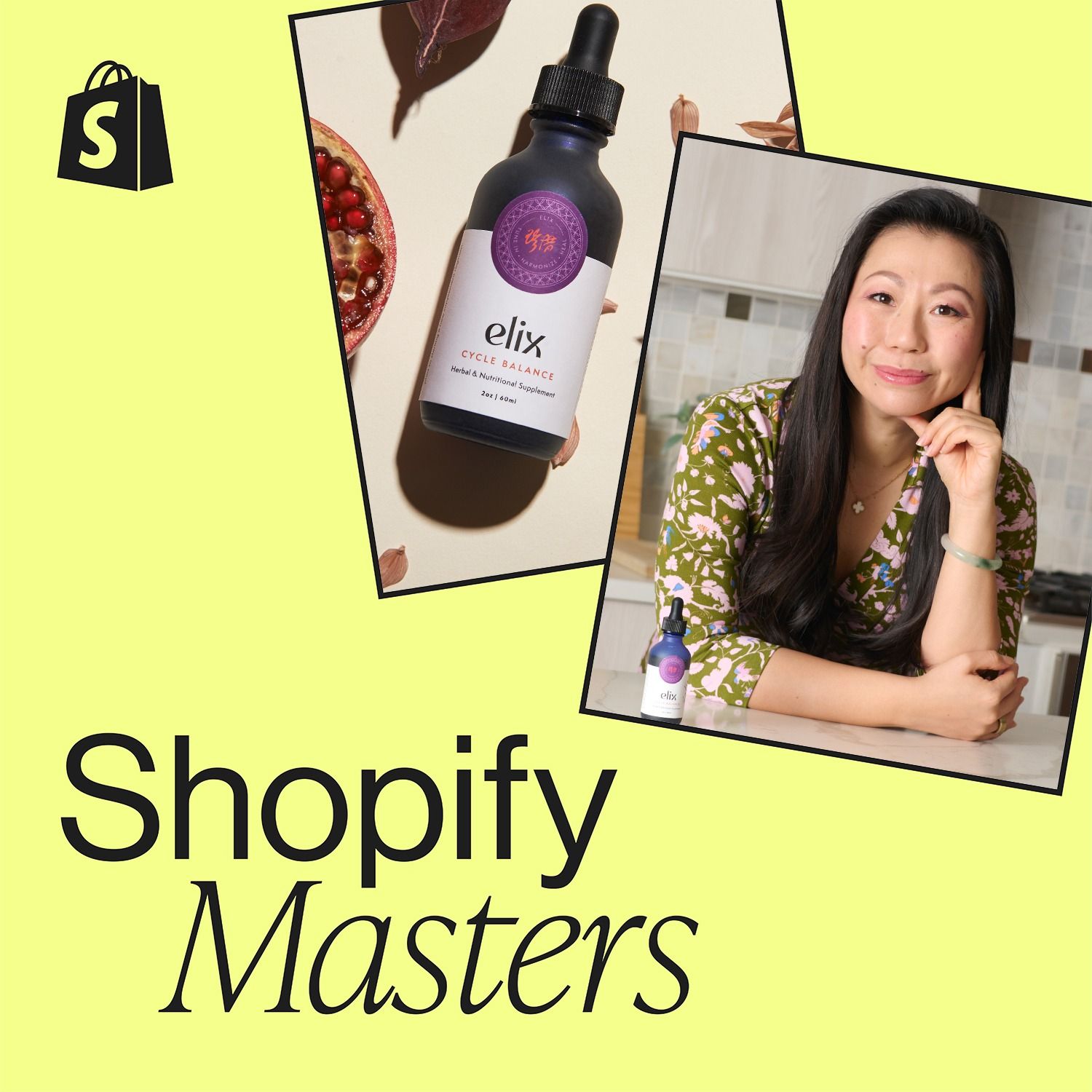
Elix founder Lulu Ge launched a beta test called "#periodpainfree" with basic packaging. This allowed her to gauge real-world demand from strangers online before committing resources to a full brand launch, proving the concept's viability cheaply and effectively.
It's highly feasible to build a major brand while working a day job. The founder of Liquid Death developed the concept while an employee at VaynerMedia. This strategy allows for market validation and brand development before taking the full entrepreneurial leap, significantly minimizing personal financial risk.

Unlike brands that flood the market and rely on markdowns, Norwegian Wool carefully controls its distribution channels and production quantities. This ensures a high percentage of items sell at full price, creating real margins and a "fear of missing out" that drives early-season sales.
Never start a business without first validating demand by securing commitments from at least three initial clients. This strategy ensures immediate revenue and proves product-market fit from day one, avoiding the common trap of building a service that nobody wants to buy.

The clearest indicator that a side hustle is ready to become a full-time business isn't just profit, but substantial top-line revenue generated with limited, part-time hours. If a business can generate over $150k in sales from weekend work alone, it demonstrates massive untapped potential and product-market fit, signaling it's time to take the leap.
Unbound Merino used its Indiegogo campaign as a definitive test for market demand, not just a funding tool. This framed the effort as a win-win: either a successful business would be born, or the founder would get a box of the custom t-shirts he personally wanted.
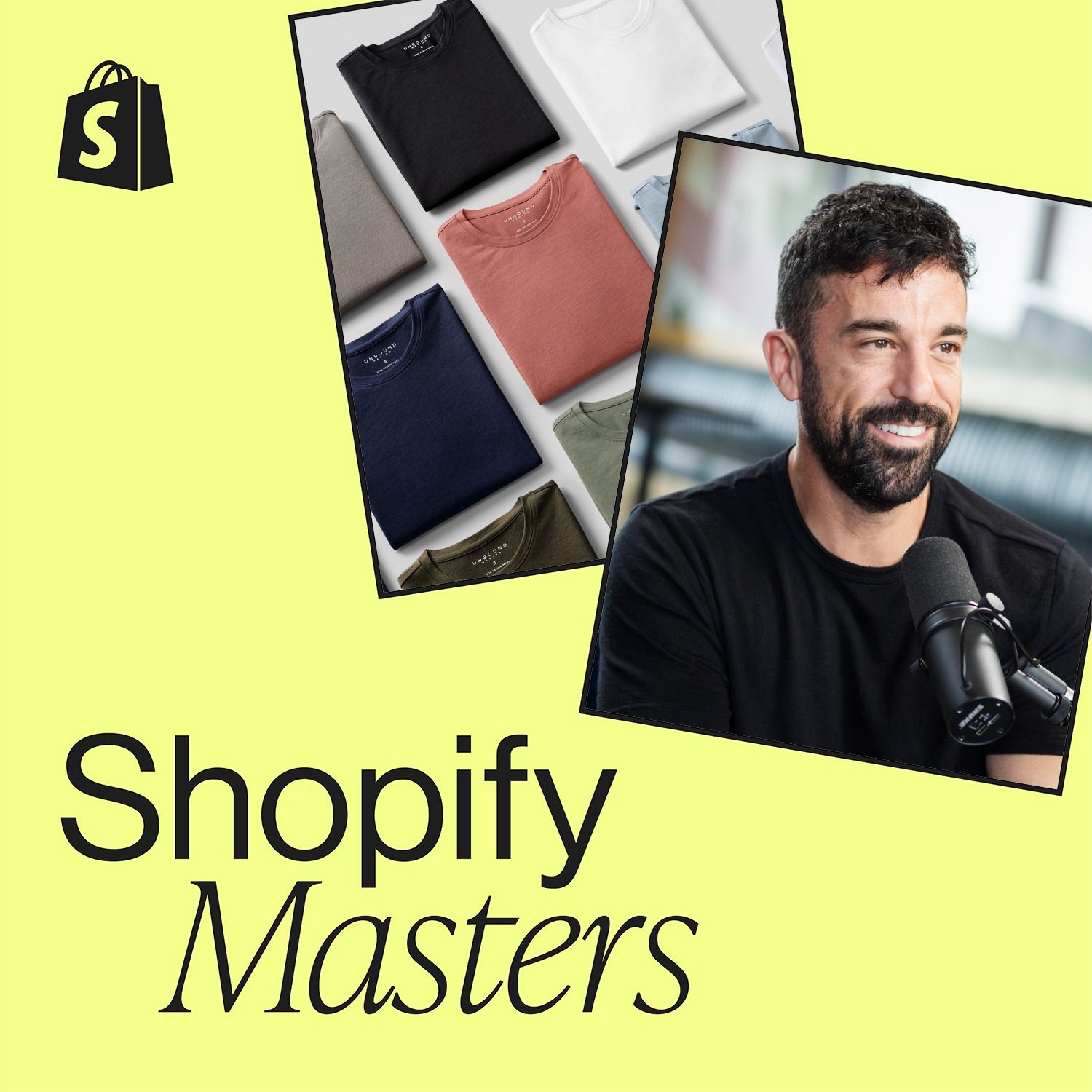
The idea for Unbound Merino came from the founder's own frustrating search for stylish, high-performance travel clothing. When he couldn't find what he wanted, he created it, correctly betting that many others shared his specific problem.
Instead of waiting for a working product, the founders invested in a conference booth with just screenshots. This early, public validation test, though risky, attracted two crucial prospects who became their first customers. This demonstrated market demand before the product was fully built, a move many founders would avoid.
