Get your free personalized podcast brief
We scan new podcasts and send you the top 5 insights daily.
Platforms like Suppleful (supplements) allow you to test demand for a physical product under your own brand without investing in a large minimum order quantity (MOQ). This dropshipping approach validates the market and marketing angles first, significantly de-risking the eventual move to full-scale production.

Related Insights
Instead of starting in a kitchen, CPG entrepreneur Emma Hernan bought a manufacturing facility first. This generated revenue by co-packing for other brands, secured her own supply chain, and created multiple income streams from a single asset before her product even launched.

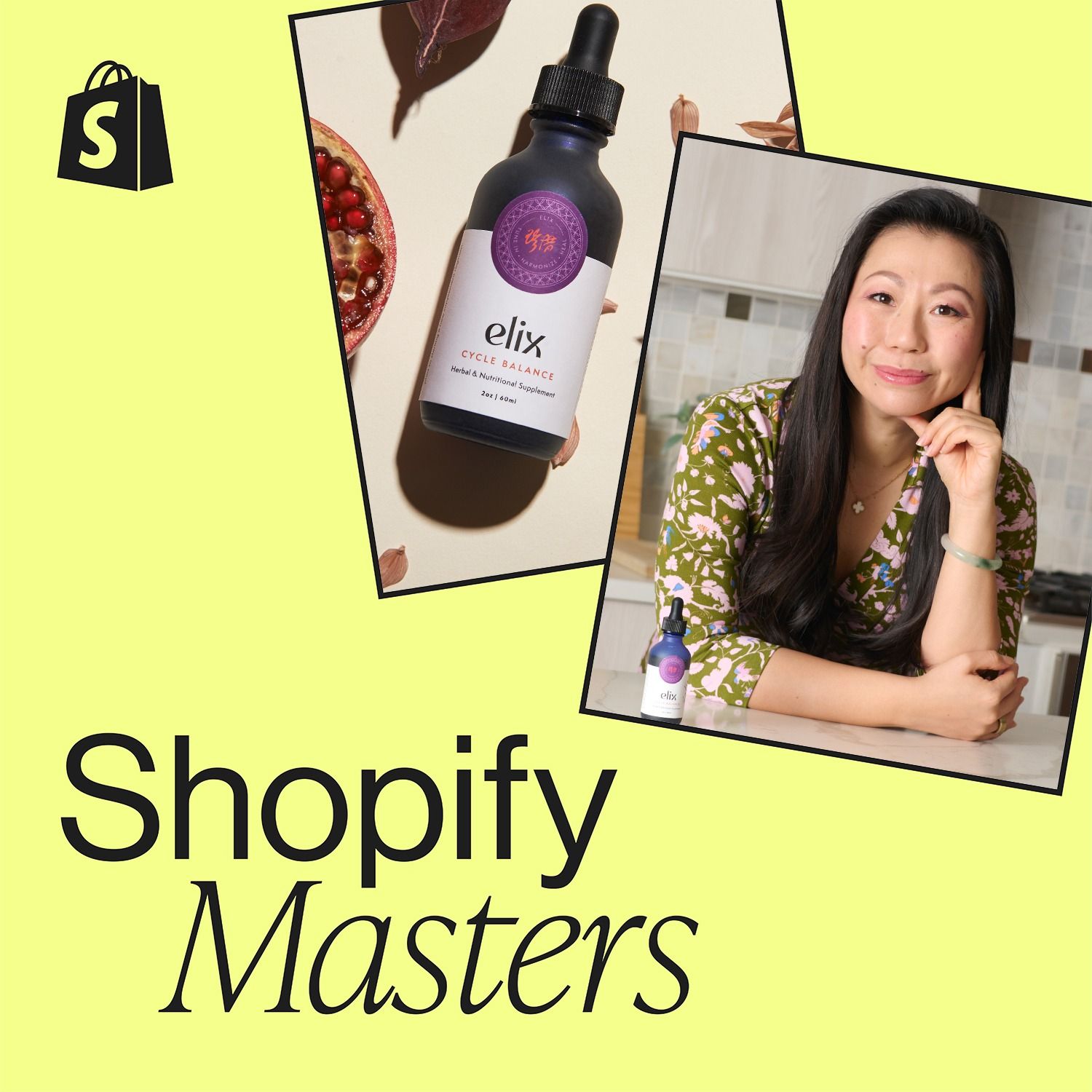
Elix founder Lulu Ge launched a beta test called "#periodpainfree" with basic packaging. This allowed her to gauge real-world demand from strangers online before committing resources to a full brand launch, proving the concept's viability cheaply and effectively.
Validate business ideas by creating a fake prototype or wireframe and selling it to customers first. This confirms demand and secures revenue before you invest time and money into development, which the speaker identifies as the hardest part of validation.

To test an idea like flavored creatine for women, use an AI image generator to create mockups. Post these images on Facebook Marketplace, a low-friction platform, to gauge interest via views, clicks, and messages before investing in product development. This provides quick, cheap data.

Pursuing large "whale" customers for early validation is risky because they often come with heavy demands that can derail the product vision. Instead, seek out innovative, mid-level companies who are early adopters. They provide better feedback, and building traction with them opens doors to larger clients later.

Before launching, assess a product's viability by the sheer number of potential distribution points. Manufacturing and logistics are solvable problems if the market access is vast. This reverses the typical product-first approach by prioritizing market penetration from day one.

Unbound Merino used its Indiegogo campaign as a definitive test for market demand, not just a funding tool. This framed the effort as a win-win: either a successful business would be born, or the founder would get a box of the custom t-shirts he personally wanted.

Validate startup ideas by building the simplest possible front end—what the customer sees—while handling all back-end logistics manually. This allows founders to prove customers will pay for a concept before over-investing in expensive technology, operations, or infrastructure.

Replace speculative feedback from discovery calls with a process that would be "weird if it didn't work." First, get strangers to pre-pay for a solution. Then, deliver it manually. This confirms real demand (payment) and validates the solution's value (retention) before writing code.

Validate market demand by securing payment from customers before investing significant resources in building anything. This applies to software, hardware, and services, completely eliminating the risk of creating something nobody wants to buy.