Get your free personalized podcast brief
We scan new podcasts and send you the top 5 insights daily.
Dropshipping isn't the end goal. Use it to validate product-market fit with low capital risk before investing heavily in inventory and building a sustainable brand. This reframes the business model from a quick cash grab to a strategic first step for e-commerce entrepreneurs.

Related Insights
The long-term strategy for brands you carry is to go direct-to-consumer, cutting you out. The only sustainable defense for a retailer is to build its own brand equity by creating and marketing its own private-label products, transitioning from a utility to a destination brand.

The goal for a solopreneur isn't to build a massive brand, but to create a system where $1 in ad spend reliably generates more than $1 out. This transactional mindset prioritizes profitability and cash conversion. When the math no longer works for one product, you simply move on to the next one.

Platforms like Suppleful (supplements) allow you to test demand for a physical product under your own brand without investing in a large minimum order quantity (MOQ). This dropshipping approach validates the market and marketing angles first, significantly de-risking the eventual move to full-scale production.
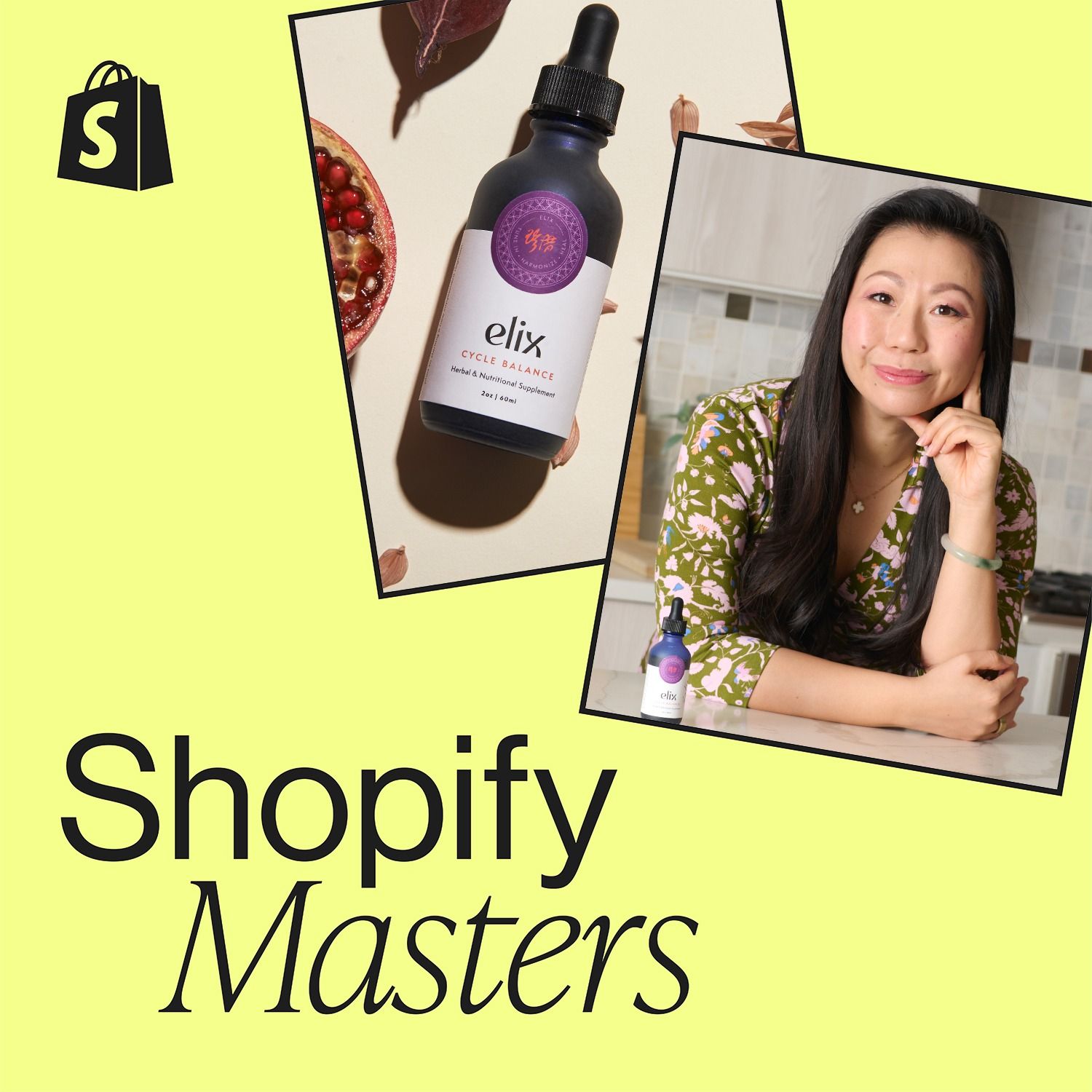
Elix founder Lulu Ge launched a beta test called "#periodpainfree" with basic packaging. This allowed her to gauge real-world demand from strangers online before committing resources to a full brand launch, proving the concept's viability cheaply and effectively.
To enter physical retail, first test markets with low-cost local events. Next, 'walk' by running trunk shows and pop-ups with wholesale partners. Finally, 'run' by using short-term leases in retail incubators to validate a location before committing to expensive 10-year leases.
The hardest part of any business is finding customers, not fulfillment. De-risk your venture by focusing all initial energy on validating demand. Use tactics like pre-selling or creating 'fake' marketplace listings before you buy a single piece of equipment.

Founders must distinguish between core competencies unique to their brand (e.g., product design) and commodity tasks (e.g., warehousing). Commodity functions should be outsourced to experts who benefit from economies of scale, freeing up internal resources to focus on what creates true differentiation.

Many founders conflate their brand with their first product. A successful company requires a broader brand positioning that can accommodate future products. This prevents the business from getting stuck as a single-product entity and enables long-term growth and category expansion.

For heavy, low-margin products like jarred sauce, a direct-to-consumer model is often unsustainable due to shipping costs. Its strategic value is to build an initial customer base and gather sales data to prove demand to large retailers, de-risking their decision to stock the product.

Starting with drop shipping proved the concept but offered unsustainable margins. The pivot to in-house apparel manufacturing unlocked significantly higher profits (from a £2 margin to £15). This allowed them to reinvest capital back into the business, fueling actual growth.