Get your free personalized podcast brief
We scan new podcasts and send you the top 5 insights daily.
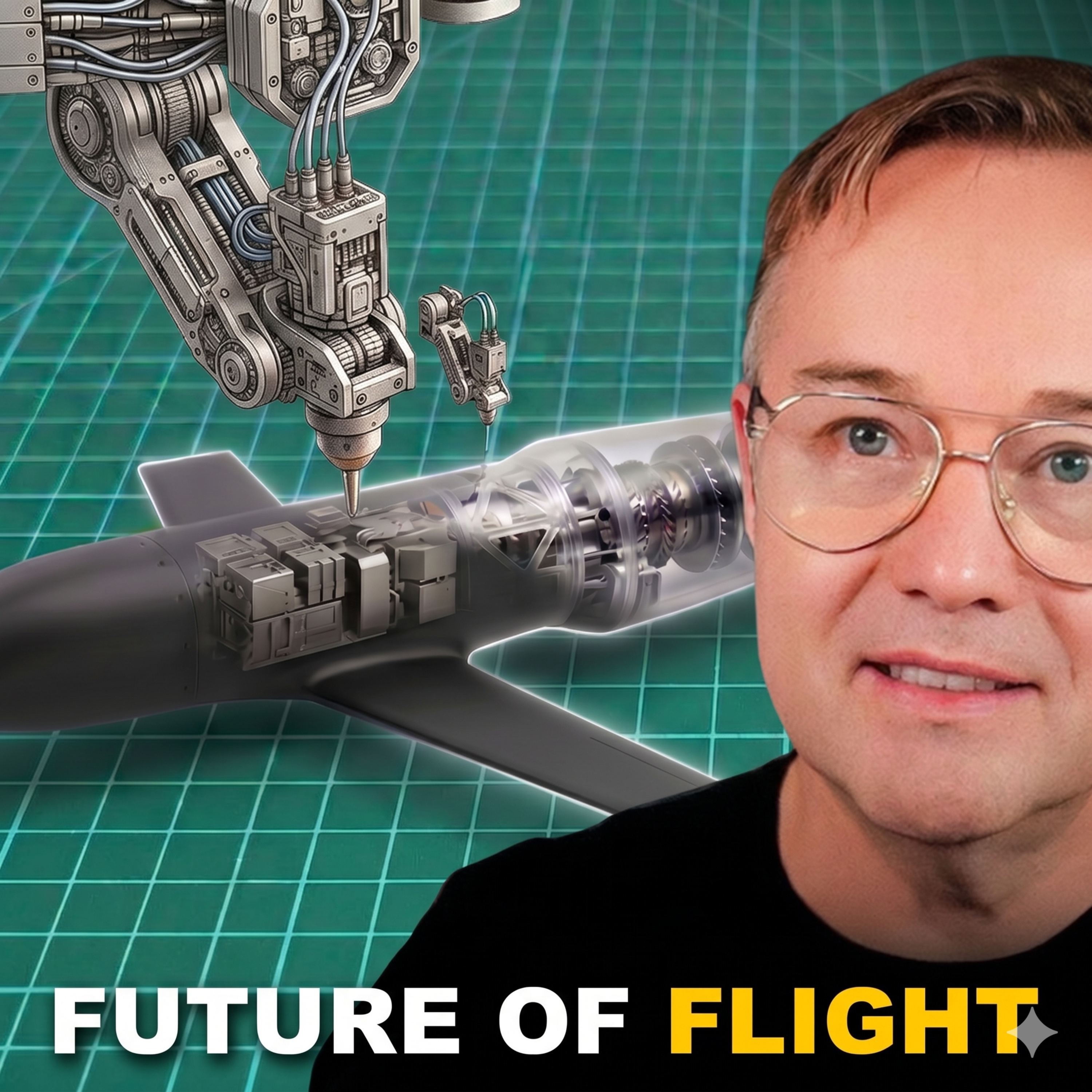
Divergent created a product-agnostic manufacturing system where factories can adaptively switch between vastly different products, like a car chassis or a missile airframe, using the same vertically integrated hardware. This creates a flexible, scalable industrial platform.
Related Insights
Applied Intuition uses the same fundamental software platform across cars, trucks, boats, and construction equipment. This is possible because all are machines interacting with the physical world governed by consistent laws of physics, enabling a scalable "Teslification" of multiple industrial sectors with a single core technology.
Subcontracting creates fixed interfaces between teams, leading to a "calcified architecture" where system-level optimization is impossible. Vertically integrating engineering and manufacturing in-house allows for dynamic trade-offs between disciplines, accelerating innovation and reducing costs.
![Scott Nolan - SpaceX, Founders Fund, and Rebuilding American Uranium Enrichment - [Invest Like the Best, EP.467] thumbnail](https://megaphone.imgix.net/podcasts/5edee546-3776-11f1-b41d-a76759576e87/image/908aaa6e87baf2b3d364892c4b7f9fd8.jpg?ixlib=rails-4.3.1&max-w=3000&max-h=3000&fit=crop&auto=format,compress)
Founders are breaking down complex societal challenges like construction and energy into modular, repeatable parts. This "factory-first mindset" uses AI and autonomy to apply assembly line logic to industries far beyond traditional manufacturing, reframing the factory as a problem-solving methodology.

Modern factories like Hadrian's use software not just for automation but for agility. This allows them to quickly reconfigure production lines for small batches of highly varied parts ('high mix, low volume'), a necessity for complex systems like submarines where components are not mass-produced.
Boom Supersonic accelerates development by manufacturing its own parts. This shrinks the iteration cycle for a component like a turbine blade from 6-9 months (via an external supplier) to just 24 hours. This rapid feedback loop liberates engineers from "analysis paralysis" and allows them to move faster.

Historically, data centers were designed and built like unique architectural projects. Now, the need for rapid, global scale is forcing the industry to adopt a manufacturing mindset, treating data centers like cars or planes produced on an assembly line. This shift creates a new market for production orchestration software beyond traditional factories.

Zipline had to build its own components because the market only offered two extremes: cheap, unreliable consumer drone parts or prohibitively expensive military-grade systems. This "automotive grade" gap for reliable, cost-effective components forced them to vertically integrate to achieve their performance and cost goals.
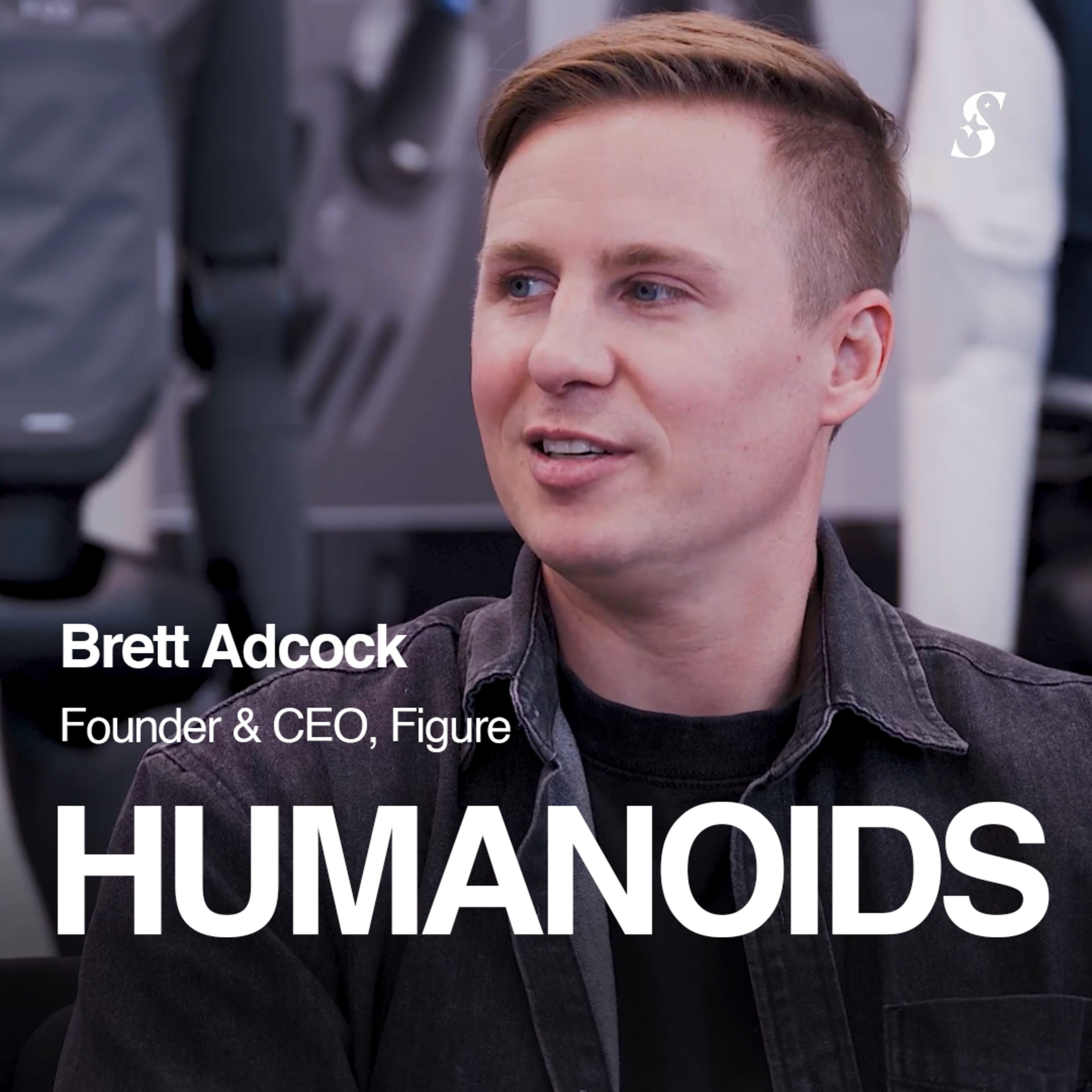
Figure designs nearly every component of its robots in-house, from motors to batteries. This extreme vertical integration, though costly upfront, prevents being at the mercy of third-party vendor timelines, code problems, or supply chain issues, enabling faster iteration and deeper system control.
Machina Labs' containerized robotic manufacturing cells allow for a hybrid approach with traditional assembly lines. After a standard part is mass-produced (e.g., stamped), these cells can add unique, complex customizations at the end of the line, enabling personalization at scale for industries like automotive.
Unlike mass manufacturers, defense tech requires flexibility for a high mix of low-volume products. Anduril addresses this by creating a core platform of reusable software, hardware, and sensor components, enabling fast development and deployment of new systems without starting from scratch.