Get your free personalized podcast brief
We scan new podcasts and send you the top 5 insights daily.
Investors are often more compelled by a founder's palpable confidence and unique understanding of a market than by the product itself. During a pitch, radiating a deep belief in a "secret" insight about your users demonstrates a level of conviction that can be more persuasive than any metric.

Related Insights
Drawing an analogy to legendary music producer Rick Rubin, an investor's role is to help a founder find the most authentic and compelling version of their own story. The goal is not to invent a narrative, but to draw out the founder's core truth and channel it through their company.

When selling to large companies, young founders often mistakenly adopt a formal, corporate persona. This is a mistake. Enterprises are often buying the startup's unique energy and expertise, so being authentic and passionate is more effective than mimicking corporate culture.

Applying the "weird if it didn't work" framework to fundraising means shifting the narrative. Your goal is to construct a story where the market opportunity is so massive and your team's approach is so compelling that an investor's decision *not* to participate would feel like an obvious miss.

A founder must simultaneously project unwavering confidence to rally teams and investors, while privately remaining open to any evidence that they are completely wrong. This conflicting mindset is essential for navigating the uncertainty of building a startup.

Move beyond slide decks to gauge a founder's true passion and product quality. By installing and using a product live during a pitch, investors can ask deep, contextual questions and observe the founder's unscripted responses, revealing a level of genuineness a presentation cannot.

A successful startup often resembles a cult, requiring a leader who communicates their vision with unwavering, first-person conviction. Hiding the founder behind polished PR spokespeople is a mistake; it neuters the contagious belief required to recruit talent and build a movement against impossible odds.

When meeting Cursor's founder, the investor felt an "electric energy" even as the founder was pivoting away from his original idea. This highlights that for elite early-stage investors, the founder's intrinsic drive and potential are the constant to bet on, as ideas will inevitably change.
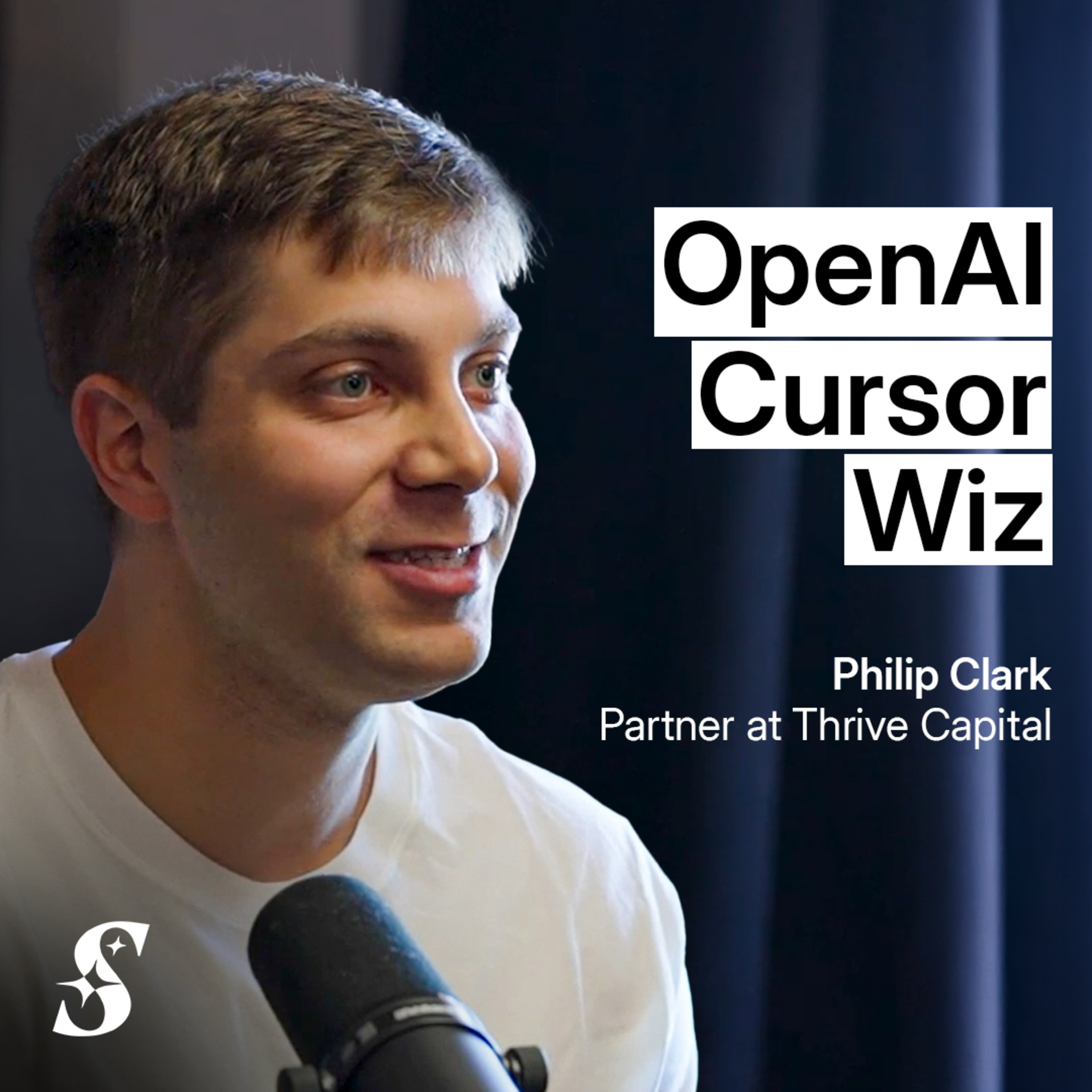
To win allocations, VCs should move beyond product and market discussions to a deeply personal conversation about what irrationally drives a founder. Most VCs don't ask about this, and exploring these core motivations builds a unique relationship that secures a spot in the round.
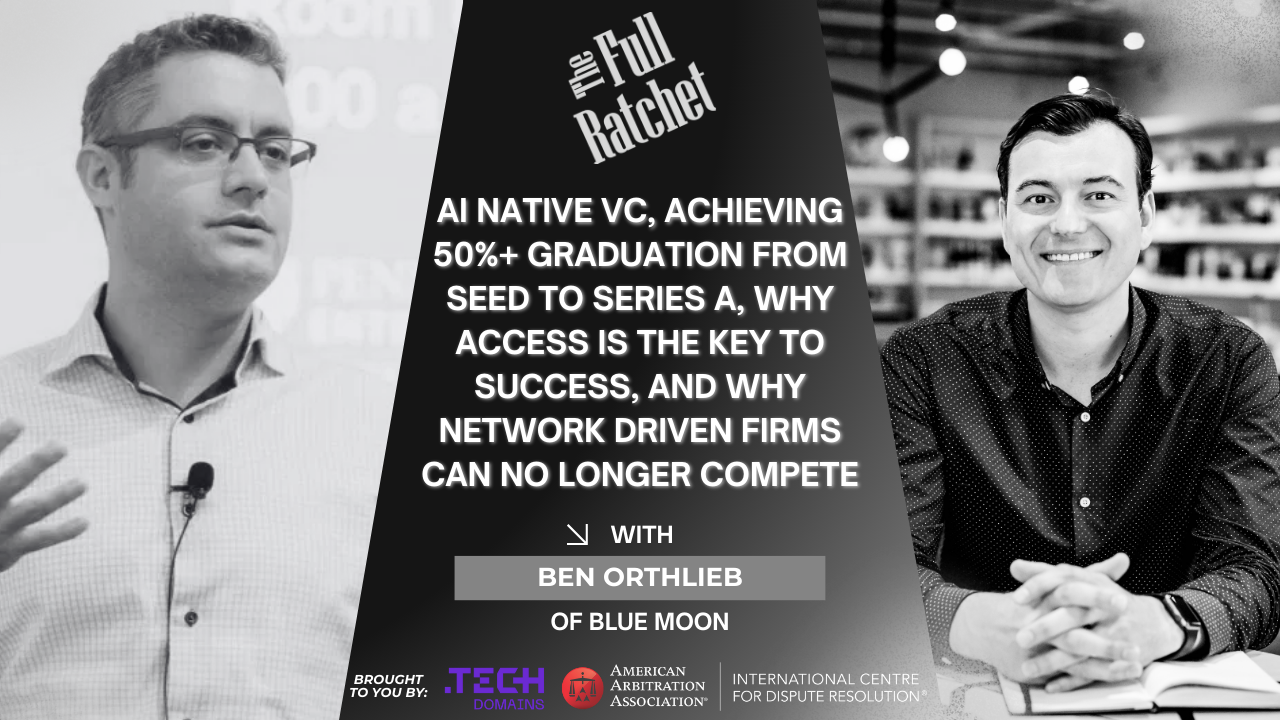
Early outreach often fails by pitching an unproven value proposition. Instead, founders should use "Founder Magic"—leveraging their unique background, story, or mission to make themselves so interesting that prospects agree to a meeting out of sheer curiosity. The outreach should be product-agnostic and focus on being compelling as a person.
A founder deep in the idea maze can articulate not just their current path, but also the alternatives they considered and why they were rejected. This demonstrates a profound understanding of their domain and problem space.