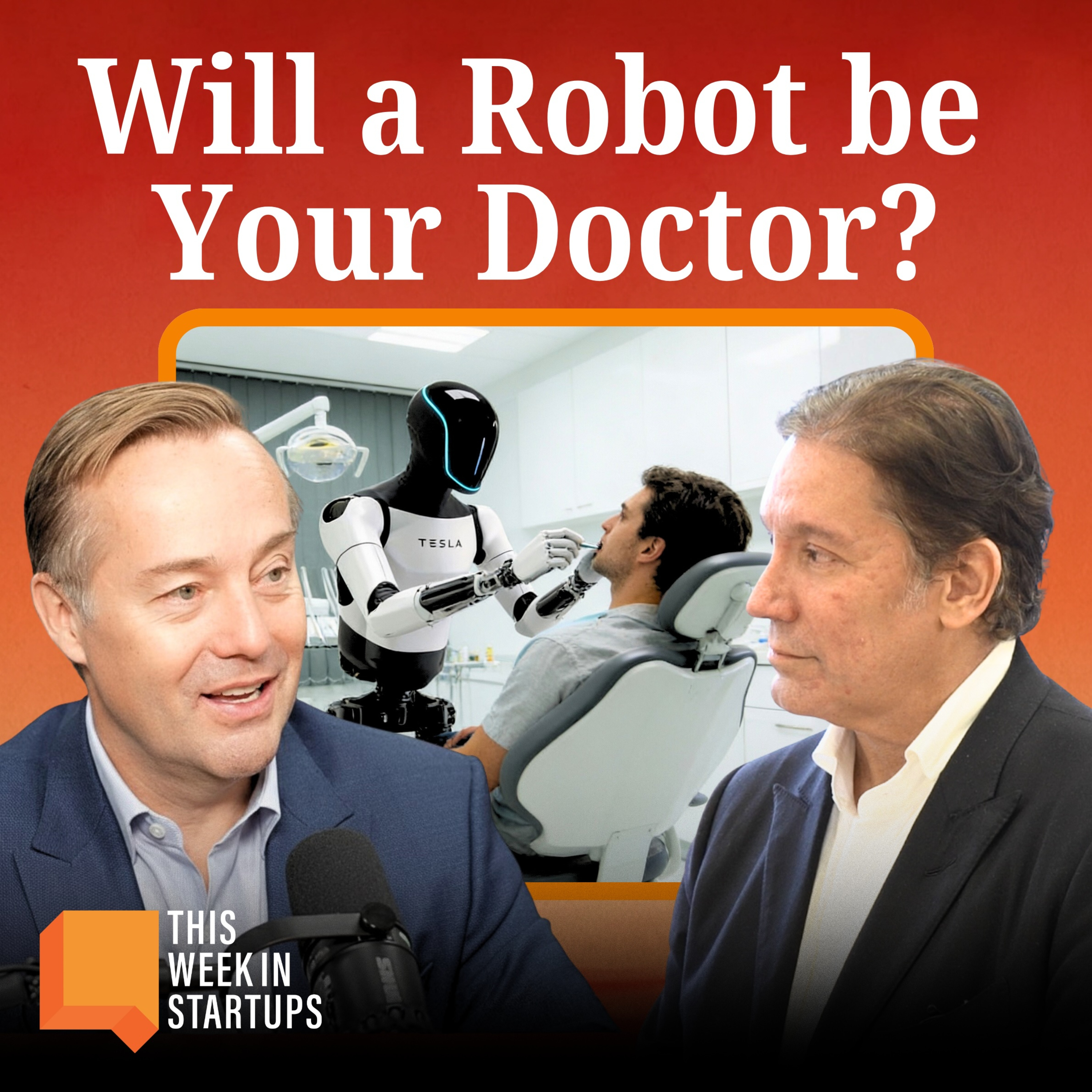
The future of healthcare will see AI handling initial patient consultations, effectively becoming the primary care doctor. This will streamline the process, sending patients directly to specialized clinics for diagnostic tests, bypassing traditional, inefficient doctor visits.
The current healthcare model is backwards. It's more cost-effective to proactively get comprehensive diagnostics like blood work done twice a year than to rely on multiple, expensive doctor visits after symptoms appear. This preventative approach catches diseases earlier and reduces overall system costs.
A primary driver of physician burnout isn't the difficulty of medicine but the overwhelming administrative load. Talented doctors are leaving the profession because their time is consumed by paperwork and fighting with insurance companies, creating a huge opportunity for automation.
A traditional Japanese business philosophy judges employees on their mistakes, not their successes. This deeply ingrained risk aversion, the opposite of a "fail fast" mentality, is a significant cultural barrier for the Japanese startup ecosystem, which must be overcome for founders to succeed.
Japanese companies struggle to expand globally not just due to language skills, but because of a cultural phenomenon called "English allergy." This is a deep-seated fear of failure and embarrassment when speaking English, which acts as a psychological barrier to pursuing international customers.
Unlike Western countries where job displacement is a primary concern, Japan's culture embraces automation as a solution to its demographic crisis of an aging and shrinking workforce. This widespread acceptance creates a uniquely favorable market for robotics and AI companies.
Combining American and Japanese talent creates a powerful cultural dynamic. The Japanese team benefits from American audacity and speed, while the American team learns discipline. This model also allows startups to access top-tier talent at a lower average salary compared to Silicon Valley, increasing runway.
Platforms like Instagram and TikTok cater to users with existing social circles or creative talent. This leaves a massive, underserved market of lonely people who have neither. A social app that removes all setup friction—no profile, no photos—can win by offering immediate, anonymous connection.
Investors are often more compelled by a founder's palpable confidence and unique understanding of a market than by the product itself. During a pitch, radiating a deep belief in a "secret" insight about your users demonstrates a level of conviction that can be more persuasive than any metric.