Get your free personalized podcast brief
We scan new podcasts and send you the top 5 insights daily.
When meeting Cursor's founder, the investor felt an "electric energy" even as the founder was pivoting away from his original idea. This highlights that for elite early-stage investors, the founder's intrinsic drive and potential are the constant to bet on, as ideas will inevitably change.

Related Insights
Drawing an analogy to legendary music producer Rick Rubin, an investor's role is to help a founder find the most authentic and compelling version of their own story. The goal is not to invent a narrative, but to draw out the founder's core truth and channel it through their company.

Since startups lack infinite time and money, an investor's key diligence question is whether the team can learn and iterate fast enough to find a valuable solution before resources run out. This 'learning velocity' is more important than initial traction or a perfect starting plan.

In capital-intensive sectors, the idea is secondary to the founder's ability to act as a magnet. Their primary function is to relentlessly attract elite talent and secure continuous funding to survive long development timelines before revenue.
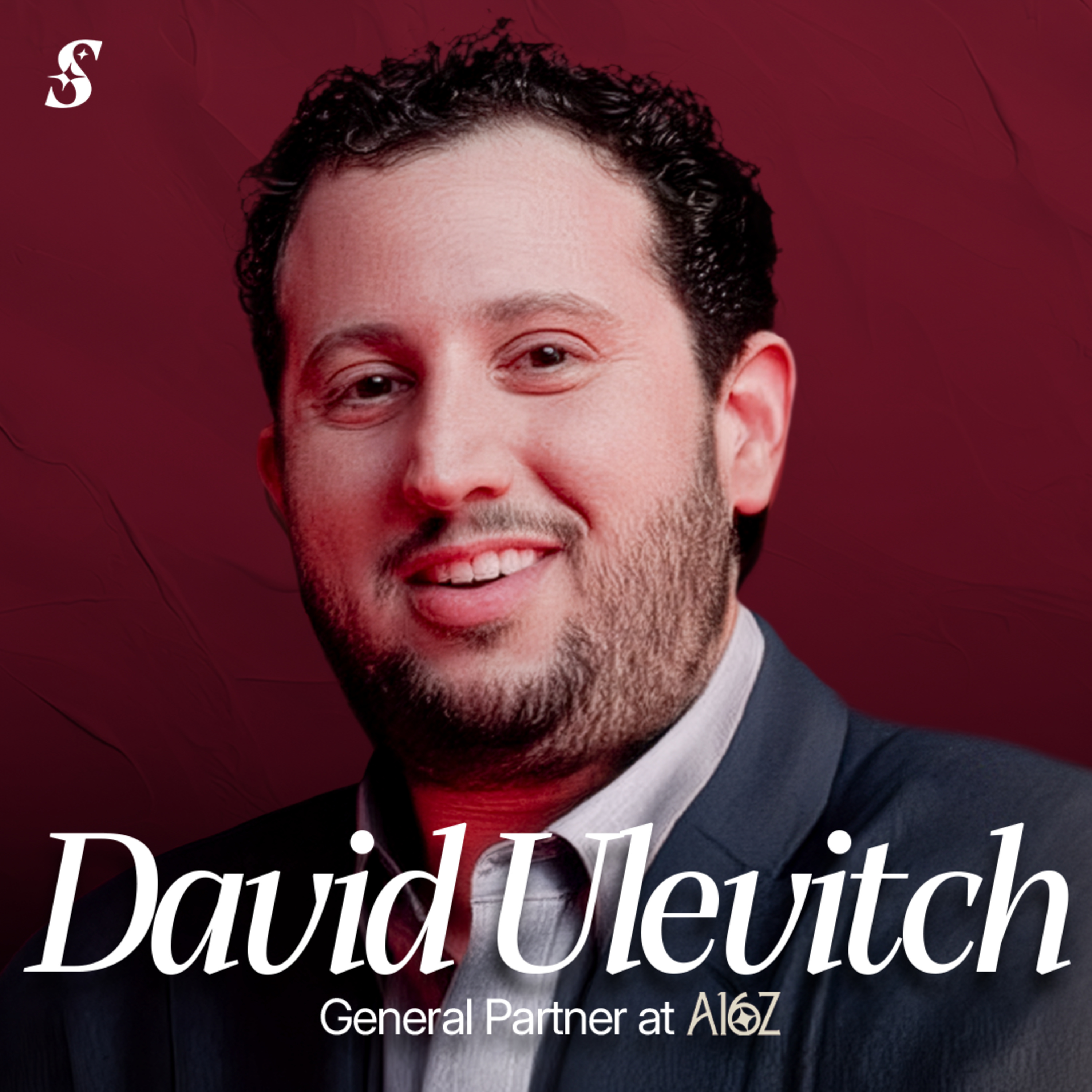
While assessed during diligence, the true caliber of a founder—their passion, authenticity, and ability to "run through walls"—becomes starkly clear after the deal closes. This distinction is not subtle; the impact of a truly exceptional founder versus an average one is immediately evident in the business's trajectory.

In dynamic markets like AI, where technology and business models evolve rapidly, the founding team's quality ('the jockey') becomes more critical than the initial business plan ('the horse'). The ability of a small, talented team to pivot and execute on new opportunities is the key determinant of success.

A truly exceptional founder is a talent magnet who will relentlessly iterate until they find a winning model. Rejecting a partnership based on a weak initial idea is a mistake; the founder's talent is the real asset. They will likely pivot to a much bigger opportunity.
