Get your free personalized podcast brief
We scan new podcasts and send you the top 5 insights daily.
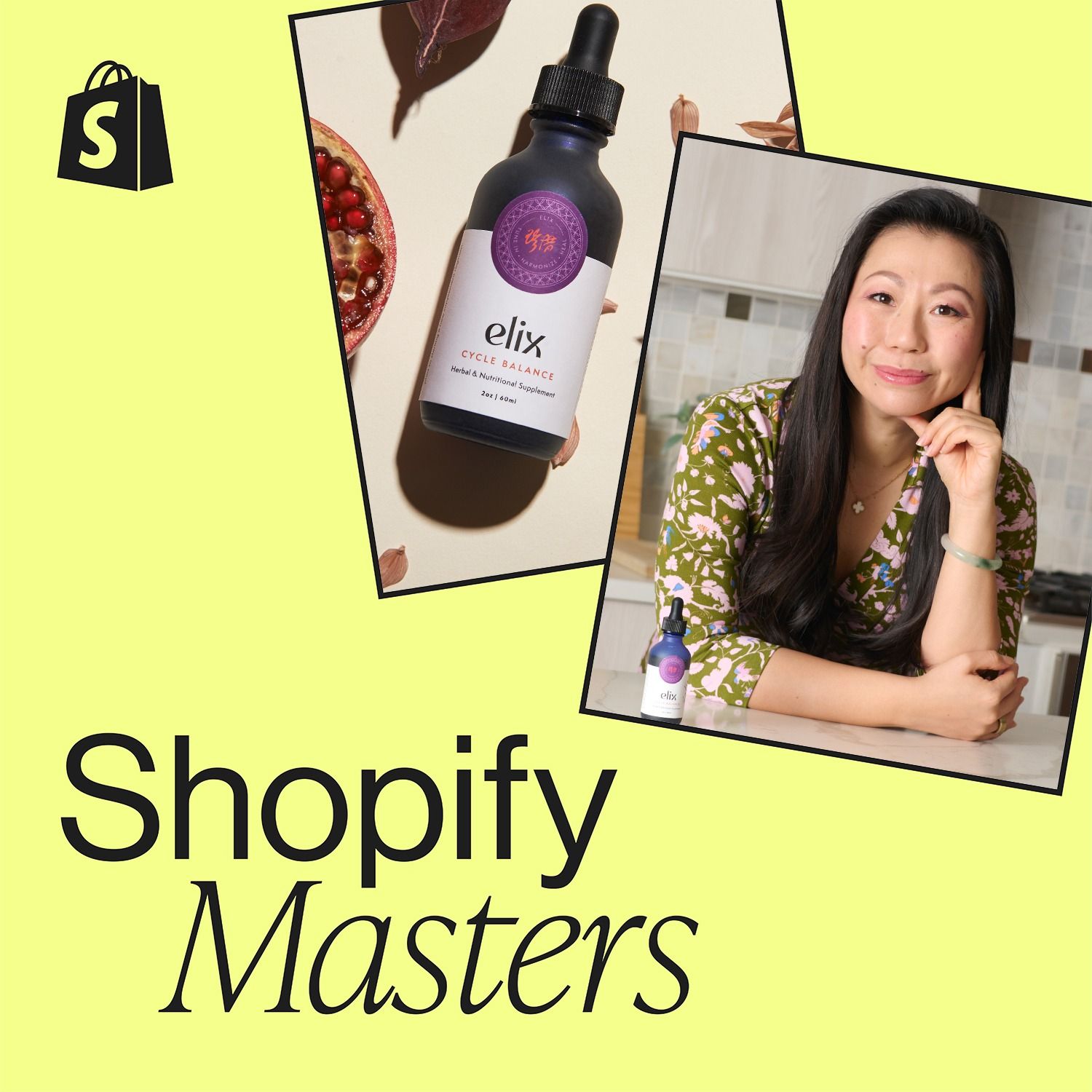
During a period of rising anti-Chinese sentiment, Elix discovered its greatest strength was its heritage. Customers were drawn to the unique educational framework of Chinese medicine for understanding their bodies, proving that leaning into a niche identity can be a powerful differentiator.
Related Insights
Elix founder Lulu Ge assumed her organic Chinese medicine brand would appeal to an urban, liberal demographic. Instead, she was surprised to find her highest-converting customers were from rural, non-coastal areas, highlighting the danger of demographic assumptions and the broad need for alternative health solutions.
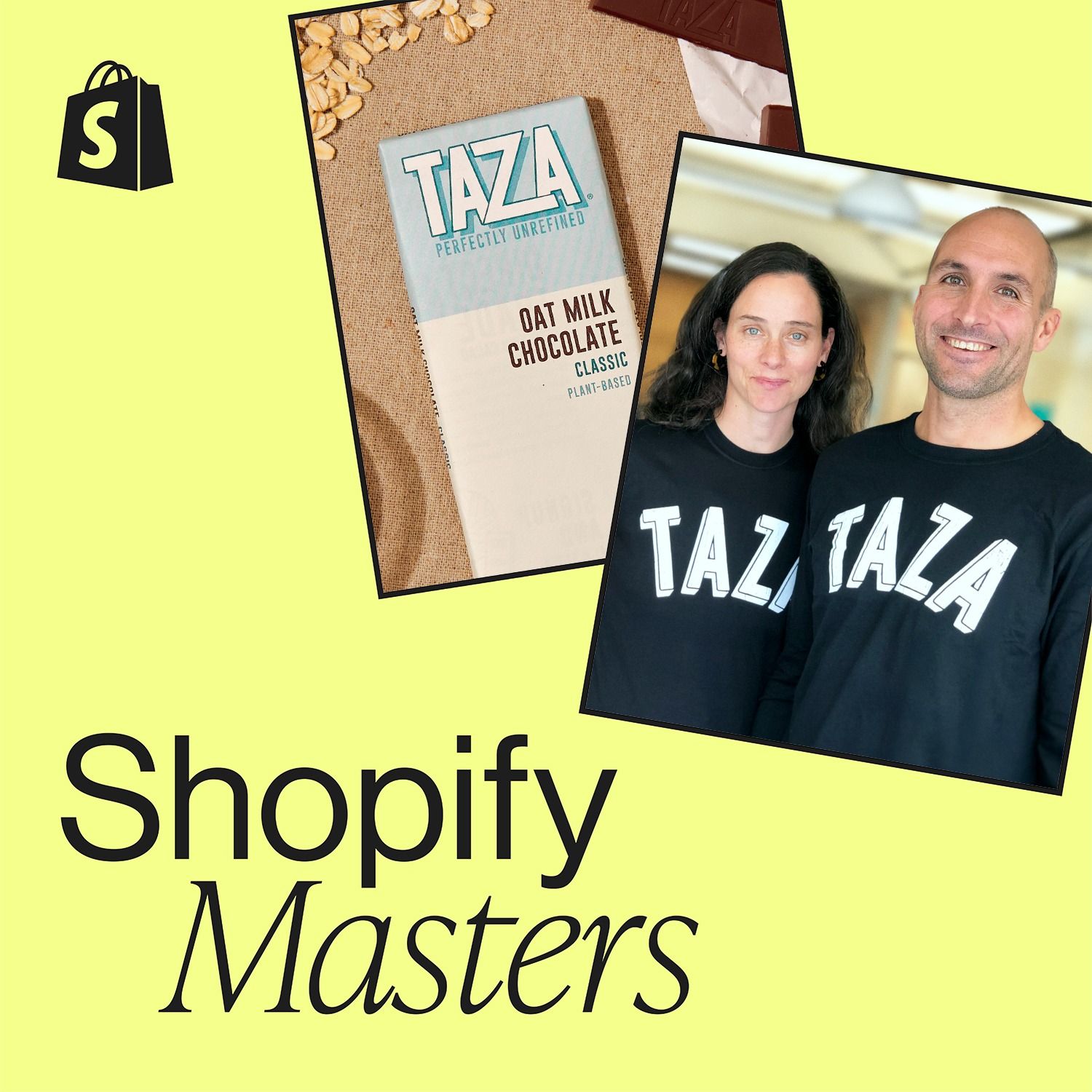
In a market dominated by corporations, Taza found a defensible niche by making a "polarizing" stone-ground chocolate. This strategy of appealing intensely to a core group, rather than pleasing the mass market, was key to their survival and success as a small business.
An immigrant's background or accent, initially seen as a hindrance, can become a unique differentiator. In a uniform field like private equity, being memorable is a significant advantage for building relationships and standing out from the crowd.

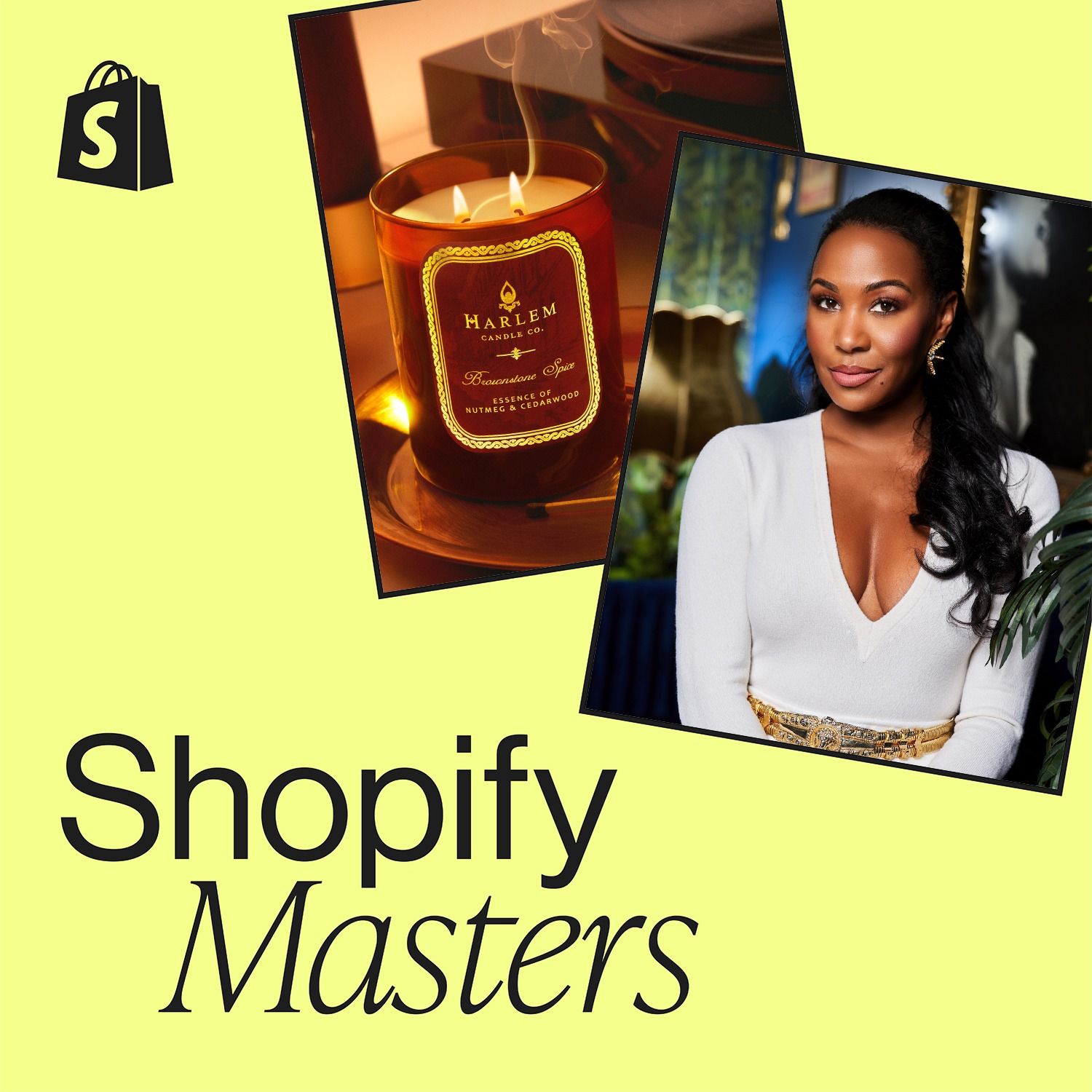
To stand out in the saturated candle market, founder Terry Johnson drew from her personal passion for the Harlem Renaissance, inspired by her time studying in Paris. This authentic connection to a specific cultural history gave the brand a unique “soul” that resonated deeply with customers.
Persisting with a difficult, authentic, and more expensive production process, like using fresh ingredients instead of flavorings, is not a liability. It is the very thing that builds a long-term competitive advantage and a defensible brand story that copycats cannot easily replicate.

Elix founder Lulu Ge's authentic, personal TikTok videos, initially an experiment, became a key acquisition channel. Customers acquired through her organic content have the highest lifetime value (LTV), demonstrating the power of founder-led content in building deep brand connection and loyalty.
Taza's attempts to go mass-market with lower prices or "fun flavors" failed. They found success by listening to their core customers who wanted intense cacao flavor. Their #1 selling product, a 95% dark bar, proved the value of doubling down on their super-niche identity.
Larroudé's co-founders identify their dual Brazilian-American citizenship as a key "lucky" advantage. This allowed them to understand the US consumer market while expertly navigating Brazil's massive footwear manufacturing industry. Founders should seek opportunities where their personal history provides an edge no competitor can replicate.

To build credibility in the modern healthcare landscape, Elix invests in formal, IRB-approved clinical studies for its traditional formulas. This strategy provides scientific validation, allowing them to operate as a credible resource alongside Western medicine, not in opposition to it.
Founder Lulu Ge realized personalization was key to Chinese medicine but hard to scale. She built a free online health assessment that digitizes the diagnostic questioning of an herbalist. This allowed the company to recommend personalized herbal blends to a mass audience, successfully scaling a traditionally bespoke service.