Get your free personalized podcast brief
We scan new podcasts and send you the top 5 insights daily.
Creating roles like "AI PM" or "database PM" is what author Marty Kagan calls "product theater." It gives the appearance of specialization but often creates artificial silos, fragments the product organization, and hinders holistic product thinking. Real competency comes from skills, not labels.

Related Insights
Engineers, designers, and product managers now believe AI empowers them to perform the others' jobs. An engineer with AI can handle design and PM tasks, and vice versa. This isn't a threat but an opportunity for individuals to become multi-skilled and create immense value by combining domains.

The "AI PM" title is a temporary distinction that will become redundant. The expert view is that within a few years, all products will have smart functionality. As a result, every Product Manager will de facto be an AI PM, and the specialized title will become obsolete, just like "Internet PM" did.

As AI becomes foundational, the PM role will specialize. A new "AI Platform PM" will emerge to own core infrastructure like embeddings and RAG. They will expose these as services to domain-expert PMs who focus on user-facing features, allowing for deeper expertise in both areas.

Dylan Field predicts that AI tools will blur the lines between design, engineering, and product management. Instead of siloed functions, teams will consist of 'product builders' who can contribute across domains but maintain a deep craft in one area. Design becomes even more critical in this new world.

The traditional PM function, which builds sequential, multi-month roadmaps based on customer feedback, is ill-suited for AI. With core capabilities evolving weekly, AI companies must embed research teams directly with customer-facing teams to stay agile, rendering the classic PM role ineffective.

The traditional tech team structure of separate product, engineering, and design roles is becoming obsolete. AI startups favor small teams of 'polymaths'—T-shaped builders who can contribute across disciplines. This shift values broad, hands-on capability over deep specialization for most early-stage roles.
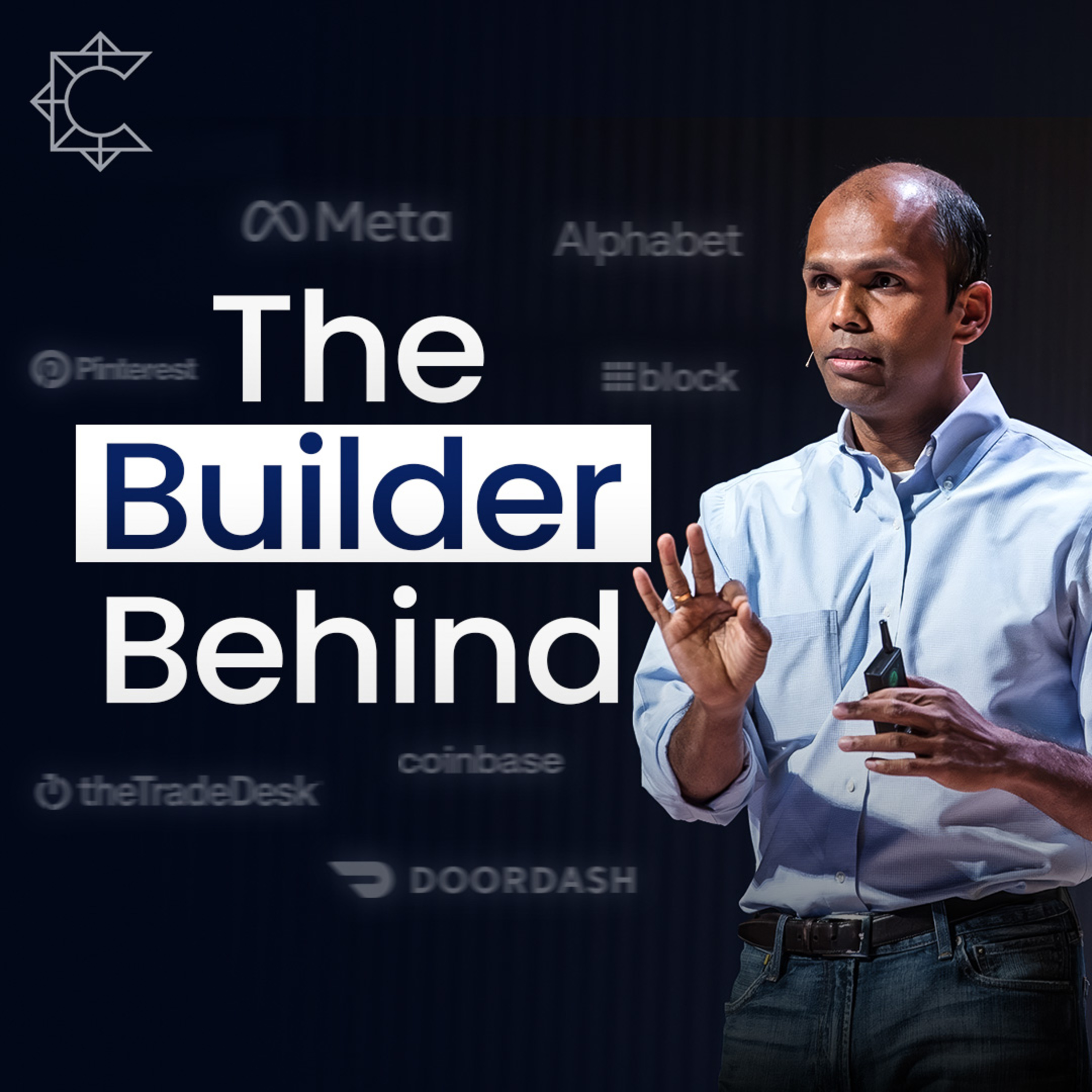
As AI democratizes the ability to create products, rigid job titles like "Product Manager" and "Engineer" will become obsolete. Meta PM Zevi Arnovitz predicts that responsibilities will merge, and the focus will shift to the act of creation. In the near future, everyone on a product team will simply be a "builder."

The best products are built when engineering, product, and design have overlapping responsibilities. This intentional blurring of roles and 'stepping on each other's toes in a good way' fosters holistic product thinking and avoids the fragmented execution common in siloed organizations.

AI's rise means traditional product roles are merging. Instead of identifying as a PM or designer, focus on your core skills (e.g., visual aesthetics, systems thinking) and use AI to fill gaps. This 'builder' mindset, focused on creating end-to-end, is key for future relevance.
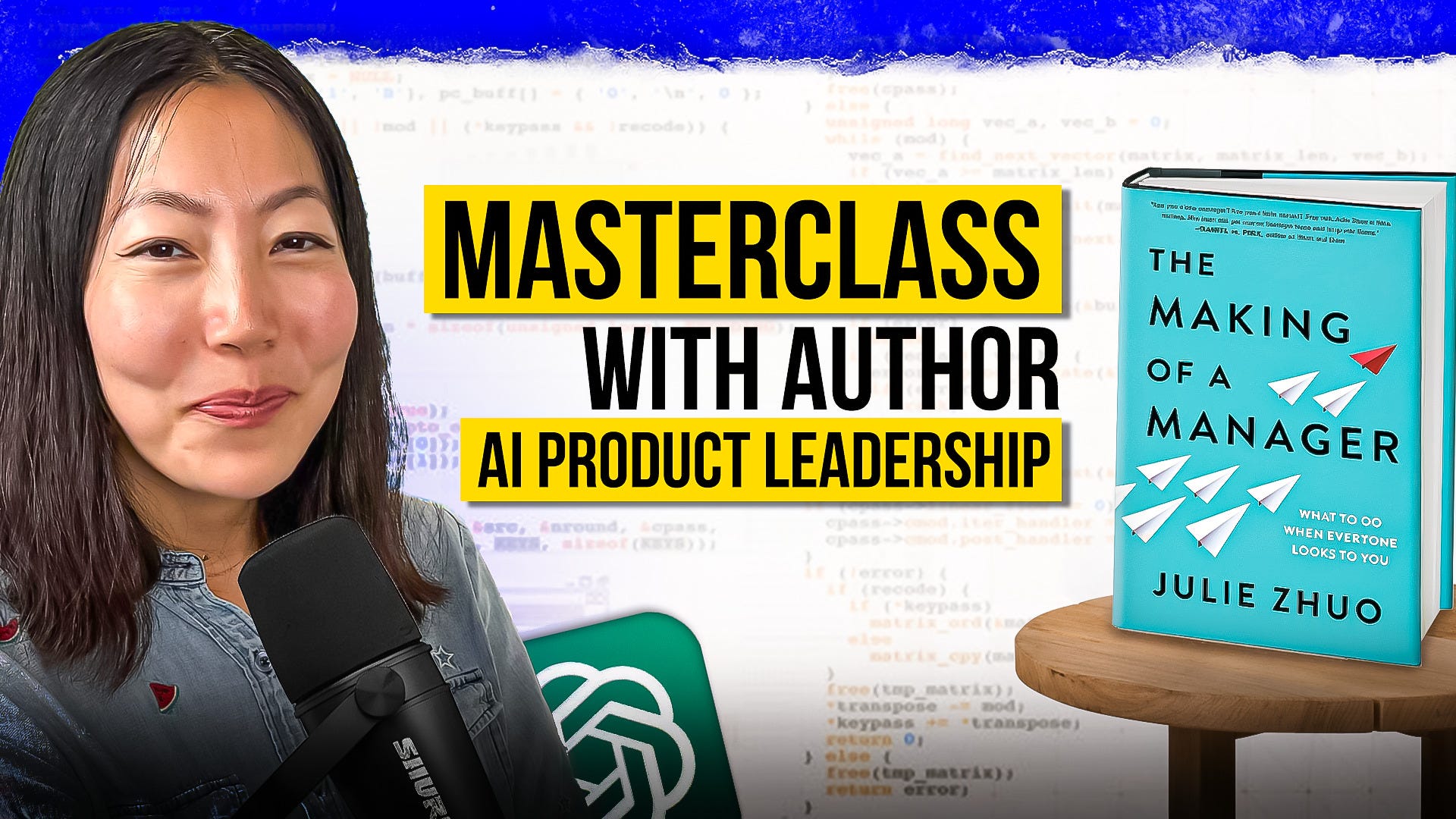
The proliferation of AI-specific titles is often a strategic move to appease investors and the market. It's a form of corporate signaling, demonstrating the company is "doing AI," regardless of whether the underlying roles or strategies have fundamentally changed. This is driven by hype cycles, not operational needs.